Tag: BBT

  • Cervix and Changes

    A combination of charting your basal body temperature (BBT), cervical mucus and cervical position and shape will indicate when the most fertile time of your cycle is. Cervical change signals general fluctuations in your estrogen levels and can be very helpful and fairly reliable in predicting your fertility. Checking your cervical position and shape takes some practice. Also, to chart this particular sign, there are some guidelines you should follow to achieve the best results.

    Your Cervical Changes and Shape

    Right after your period ends, the position of your cervix is low, hard and closed. At this point in your cycle, it should be easily reached by your fingertip and feel as if you are touching the tip of your nose. A firm, pointed shape generally indicates low estrogen and you are considered to be infertile during this time.

    As estrogen and fertility increase (immediately prior to ovulation), your cervix softens, opens up and rises to it?s highest point within your body so that it?s harder to reach. The opening increases as well, which makes the slit or tiny hole feel much larger, becoming more receptive to sperm, allowing them to make their way more easily through your cervix. Your cervix remains this way until after ovulation has taken place.

    Once ovulation has occurred- when estrogen levels suddenly drop, you can feel your hardened, closed cervix back in its lower (pre-ovulatory) position. Keep in mind that women who have given birth previously may notice that their cervix feels slightly open, even after ovulation. When the position of your cervix drops, it will become easy to reach once more. At this point, you are considered infertile once again and cannot get pregnant.

    You should begin observing your cervical position and shape the first day after your period ends. Cervical position can be monitored throughout the day and be done while checking your cervical mucus. Before checking your cervix, be sure to wash your hands thoroughly. The best time to check it is right after you have showered. Sitting on the toilet or with one foot on the toilet seat (or bathtub) may be the most comfortable positions for checking your cervix. You can check your cervical position by gently inserting your finger and feeling for your cervix, which is located at the top of your vagina. Record if it?s hard to reach (high position) or easier to reach (low position) and also if it feels firm or soft. It normally takes a few months to see all the changes in your cervix during your cycle and notice a pattern.

    –Tracking your basal body temperature (or BBT)
    –Observing changes in your cervical mucus
    –Monitoring your physical and emotional symptoms
    –Checking the position and shape of your cervix

    Read more on Fertility Charting
  • Cervix, Changes and BBT

    Cervix, Changes and BBT

    bbt basal body temperatureA combination of charting your basal body temperature (BBT), cervical mucus and cervical position and shape will indicate when the most fertile time of your cycle is. Cervical change signals general fluctuations in your estrogen levels and can be very helpful and fairly reliable in predicting your fertility. Checking your cervical position and shape takes some practice. Also, to chart this particular sign, there are some guidelines you should follow to achieve the best results.

    Your Cervical Changes and Shape

    Right after your period ends, the position of your cervix is low, hard and closed. At this point in your cycle, it should be easily reached by your fingertip and feel as if you are touching the tip of your nose. A firm, pointed shape generally indicates low estrogen and you are considered to be infertile during this time.

    As estrogen and fertility increase (immediately prior to ovulation), your cervix softens, opens up and rises to it?s highest point within your body so that it?s harder to reach. The opening increases as well, which makes the slit or tiny hole feel much larger, becoming more receptive to sperm, allowing them to make their way more easily through your cervix. Your cervix remains this way until after ovulation has taken place.

    Once ovulation has occurred- when estrogen levels suddenly drop, you can feel your hardened, closed cervix back in its lower (pre-ovulatory) position. Keep in mind that women who have given birth previously may notice that their cervix feels slightly open, even after ovulation. When the position of your cervix drops, it will become easy to reach once more. At this point, you are considered infertile once again and cannot get pregnant.

    You should begin observing your cervical position and shape the first day after your period ends. Cervical position can be monitored throughout the day and be done while checking your cervical mucus. Before checking your cervix, be sure to wash your hands thoroughly. The best time to check it is right after you have showered. Sitting on the toilet or with one foot on the toilet seat (or bathtub) may be the most comfortable positions for checking your cervix. You can check your cervical position by gently inserting your finger and feeling for your cervix, which is located at the top of your vagina. Record if it?s hard to reach (high position) or easier to reach (low position) and also if it feels firm or soft. It normally takes a few months to see all the changes in your cervix during your cycle and notice a pattern.

    –Tracking your basal body temperature (or BBT)
    –Observing changes in your cervical mucus
    –Monitoring your physical and emotional symptoms
    –Checking the position and shape of your cervix

    Read more on Fertility Charting

  • Average Basal Body Temperature BBT

    Average Basal Body Temperature BBT

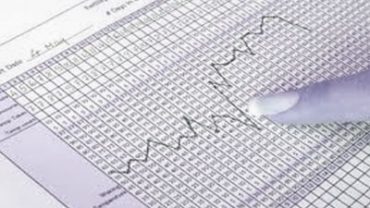
    chartCharting your BBT allows you to confirm the onset of ovulation, making it a very useful method in helping to plan the timing of intercourse that will lead to conception. By keeping track of your BBT, you can also gain an understanding of the general patterns of your menstrual cycle. After recording your temperature on a chart for a few months, you can begin to notice a distinct pattern of temperature fluctuations in your monthly cycle, which will help you to predict your most fertile days in the future.

    Your temperature in the morning, right after you wake up, is low between your period and ovulation. Around the time of ovulation, your temperature rises and remains high for about two weeks until your next period. This temperature rise will let you know that ovulation has occurred. But remember charting your BBT tells you when you have ovulated after it has happened, so you should also look for other fertility signs, such as observing your cervical mucus, which changes several days before ovulation.

    Your BBT is directly related to your levels of estrogen and progesterone. The presence of the hormone estrogen helps cause the low temperature before ovulation. On average, your BBT will range from 97.0-98.2 degrees Fahrenheit, prior to ovulation, although it can vary slightly one way or the other. Sometimes, your temperature may actually take a dip the day of ovulation, but this doesn’t always happen.

    Higher temperatures reflect the higher levels of the hormone progesterone in your system, which is secreted after ovulation. Typically, it will rise at least 0.4 to 0.6 degrees- jumping up to 98.0-98.6 degrees and beyond, although there is a wide range of “normal” temperatures. Your temperature will remain higher until the end of your cycle, when your progesterone levels begin to drop. Your period often begins within a day or two following the decline in progesterone.

    If your temperature stays high for 17 days in a row and you don’t have your period, it could be an early indication of pregnancy. Pregnancy causes your temperature to remain high beyond the typical 14 days after ovulation, so an elevated temperature past the expected date of your period can mean you’re pregnant (unless of course you have a fever).

    You can find a reliable basal thermometer at practically any drugstore and they are inexpensive. Basal thermometers are more accurate than regular fever thermometers and are ultra-sensitive, tracking your body’s slightest temperature shift. Digital thermometers are best, because they are quicker and you don’t have to shake them down.

    When charting your basal body temperature it’s important that you take your temperature first thing in the morning, before you get out of bed. For your temperature reading to be accurate, you must take it before you do anything: before standing, going to the bathroom or brushing your teeth. It’s easiest just to keep your thermometer next to your bed, within easy reach. Also, for best results, try to take your temperature as close as possible to the same time everyday and after at least 4 hours of continuous sleep, otherwise it will be slightly different.

    Taking your temperature at an unusual time, going to bed late, illness, fever, stress, drinking alcohol, exercise, using an electric blanket or heating pad can all affect your basal body temperature, causing it to be higher than normal. Also, some fertility medications, such as Clomid can cause elevated temperatures and make charting less accurate.