Tag: pregnancy test

  • Pregnancy Test – A Plus Or Minus Says It All

    Pregnancy Test – A Plus Or Minus Says It All

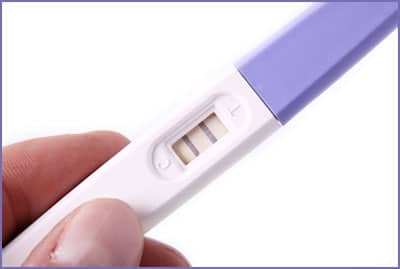
    A pregnancy test, as the name implies, is simply a test used to determine whether or not a woman is pregnant. Often used early in the form of a home pregnancy test, this process is helpful in making an early determination. An unborn child will require medical care even before they arrive and an early diagnosis is important so that the mom-to-be can learn the best types of food to consume, begin pregnancy classes and prepare for the family’s new addition.

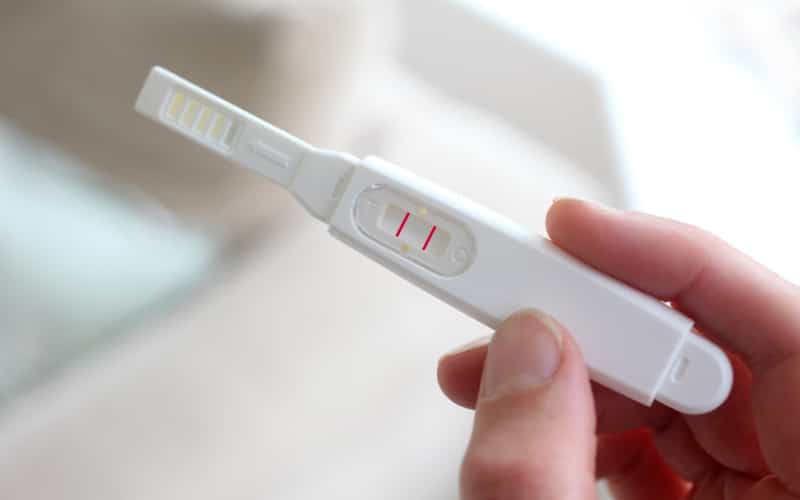
    The most popular type of pregnancy test, which is used for early detection, is a home pregnancy test. These can be found at most major retail and/or drug stores and can provide quick results. Because these are amateur tests, meaning they are not performed by a licensed medical doctor, there is always the possibility of a false reading.
    Pregnancy Test

    If the directions are followed correctly, however, the accuracy rate is quite respectable. Before seeing a doctor, many women want to have an idea as to whether or not they are pregnant, which is why an at home pregnancy test is very popular.

    Depending on the results of a home pregnancy test, a woman may still wish to consult a physician to ensure certainty. During the visit, a physician will relay the determination of pregnancy or the absence thereof and, if necessary, will provide additional information for expectant moms.

    It can be difficult to realize the symptoms of pregnancy for first-time moms-to-be, which is why it is important to learn about the possible signs of an early pregnancy. Among them, an increased sensitivity to certain foods and/or smells, recurring morning sickness, fatigue, exhaustion and mood swings.

    It is important to have a pregnancy test following the onset of any or all of these symptoms because a positive result means that a new change in lifestyle may be in order. Pregnant women will likely be instructed to avoid air travel, smoking or being near secondhand smoke and the consumption of alcohol.

    Any and all of these can be harmful to a child and should therefore be avoided. It is very important that pregnant women speak with their doctor about the best ways to ensure the development of a healthy child.

    This article is to be used for informational purposes only. It is not designed to be used in place of, or in conjunction with, professional medical advice and/or recommendations. A woman who believes that she may be pregnant should consult a licensed medical doctor for a pregnancy test and the best method of ensuring the health of her unborn child.

    Did you like this? Help us reach more people sharing it on social networks. Thanks!
  • Pregnancy Tests

    Pregnancy Tests

    Most at home early pregnancy tests allow you to read the result as soon as 2-3 minutes after taking the test, but many have time limits- meaning not to read the result after a specified length of time. The accuracy of home pregnancy tests depends on how closely you follow the instructions. If you do a home pregnancy test four to seven days after your missed period, it will be positive 95 percent of the time (assuming you are pregnant).

    How an Early Pregnancy Test Works

    About four days after conception, the fertilized egg begins to produce a hormone called human chorionic gonadotropin (or hCG for short). One of the first tasks of this hormone is to notify the ovaries that you are pregnant and no more ovulations are needed for a long time. The signal also directs the ovary to help retain the endometrium (the uterine lining) and prevent your menstrual period, which would expel the newly-attached embryo from your uterus.

    Human chorionic gonadutropin (hCG) can be detected first in your blood and shortly thereafter in your urine. Most tests can tell you if you’re pregnant as early as the first day of your missed period (about 14 days after conception) or even earlier. The tests were created to detect the presence of hCG in your urine. If there is hCG detected in your urine, it reacts with the chemicals on the test strip to create a “+” sign or a second line in the result window (depending on what brand of test you use). Remember, whether the makers of the test claim you can take the test any time of the day, first- morning urine always contains the highest concentration of hCG.

    The major drawback with home pregnancy tests is that when done in the early days of pregnancy, sometimes it will indicate you’re not pregnant, when in fact you are. This can occur because levels of hCG are low in early pregnancy and can go undetected. For this reason, test results that indicate you are not pregnant are more often wrong than test results that indicate you are pregnant.

    Home pregnancy tests are not designed to take the place of a consultation with your doctor. They should be considered screening tests only. If your test result is negative, but your period is late and you have symptoms of pregnancy, consult your health care provider. If your result is positive, make an appointment with your doctor for confirmation and a complete prenatal check-up.

    Blood pregnancy tests are very accurate and can detect the presence of hCG as early as one week after conception. They can also be helpful in determining how far along you are by measuring the exact amount of hCG in your blood, since the levels tend to double about every two days in early pregnancy.