Tag: prenatal

  • Ectopic Pregnancy FAQ’s

    An ectopic pregnancy or tubal pregnancy is when the fertilized egg implants outside the uterus. Most are in a fallopian tube, but occasionally the egg may attach elsewhere, such as in an ovary, in the cervix or other places in the abdomen.

    The narrow fallopian tubes are not designed to hold a growing baby, so the fertilized egg in a tubal pregnancy cannot develop normally. Eventually, the thin walls of the tube stretch to the point of bursting. If that happens, it is potentially life-threatening for the woman, because of the high risk of internal bleeding and hemorrhage. If the tube bursts, it could destroy it’s ability to carry fertilized eggs on their way to the uterus in future pregnancies.

    What Causes An Ectopic Pregnancy & Who’s At Risk?

    Most ectopic pregnancies are caused by the inability of the fertilized egg to make it’s way through a fallopian tube into the uterus. This is often caused by infections such as a ruptured appendix or an inflammation caused pelvic inflammatory disease (PID), which can cause the tube to become party or entirely blocked.

    Scar tissue left behind from a previous infection or abdominal surgery may also interfere with the egg’s movement. Also, a condition called endometriosis; where bits of tissue (the tissue that lines the uterus) escape the uterus and become implanted on other pelvic organs- can cause scar tissue to block the fallopian tubes. This can interfere with conception or prevent the fertilized egg from arriving in the uterus.

    Another possible cause of ectopic pregnancy is an abnormally shaped tube, which may be the result of abnormal growths or even a birth defect.

    The majority of ectopic pregnancies occur in women over 35 and women who have had previous ectopic pregnancies. Also, the use of an intrauterine device (IUD), surgery on a fallopian tube, several induced abortions, infertility problems or medication taken to stimulate ovulation increases the chances of an ectopic pregnancy.

    more on Ectopic Pregnancy

    Symptoms of Ectopic Pregnancy?
    Ectopic Pregnancy Diagnosis
    After an Ectopic Pregnancy
    Treatment of Ectopic Pregnancy

  • Pregnancy and Depression

    Pregnancy is supposed to be a joyful time, one of the happiest in a woman’s life, but for many women it’s a time of sadness and even bouts of depression. Depression can be described as an on-going and impairing feeling of sadness, hopelessness, unhappiness or being consistently down-in-the-dumps. Many people get the blues at one point in their lives or another, but clinical depression is considered a mood disorder in which these feelings interfere with day to day life for an extended period of time. Depression is common, with symptoms affecting as many as 70% of pregnant women and about 15% of those will suffer from major depression. Depression is one of the most common complications during pregnancy, even more common than postpartum depression is after delivery.

    Often, depression during pregnancy (or “prenatal depression”) is overlooked, ignored and left untreated, due to the fact that some normal pregnancy changes cause similar symptoms and happen about the same time. This can easily confuse symptoms of depression with typical symptoms of pregnancy.

    Common symptoms include: appetite changes (eating too much or too little), decreased interest, motivation or pleasure in activities that used to be enjoyed, change or disturbance in sleep patterns, excessive fatigue or lack of energy, difficulty focusing or concentrating, extreme restlessness and irritability, persistent feelings of guilt or worthlessness, extended periods of sadness, as well as significant weight gain or weight loss. Also, crying a lot, withdrawal from family and friends, stronger emotional reactions and excessive worries about a woman’s health or the health of her unborn baby can also be symptoms of depression. Recurring thoughts of suicide, death and feelings that life isn’t worth living anymore are more severe symptoms, which a woman shouldn’t hesitate to seek help for immediately. Any of the symptoms mentioned previously that last longer than 2 weeks or more at a time can’t be blamed on normal mood changes caused by pregnancy.

    << rest of the article on depression during pregnancy >>

    << Postpartum Depression >>
    << Depression After Delivery >>

  • Pregnancy Answers – FAQs

    Pregnancy Answers – FAQs

    There’s no conclusive evidence that indicates whether or not hair dye is a risk during pregnancy. Generally, pregnant women are advised against using hair dyes while pregnant, or at least during the first trimester when the baby’s organs are being formed and many neurological developments are taking place. Pregnant women are typically advised to stay clear of any chemicals or fumes, so if you choose to dye your hair, make sure you are in a well-ventilated room and always use gloves. Or, to be even more cautious, highlight your hair instead of fully coloring it. This way, the chemicals won’t come in contact with your scalp (because you apply the dye 1/2- 1 inch from your roots) and can’t get into your bloodstream.

    Can You Have Menstrual Periods During Pregnancy?

    Menstrual periods cannot happen during pregnancy. The cycling of your hormones stops because during pregnancy your hormone levels remain high, which is necessary for the pregnancy to continue. There are no major drops in these certain hormones (estrogen and progesterone) which would cause a period to occur. They are continuously produced, preventing the shedding of the uterine lining. Some women may appear to have light periods during pregnancy, especially during the first trimester, although the spotting or bleeding is caused by a different factor. Close to one percent of women have some abnormal bleeding early in pregnancy, often mistaken for a period. In half the cases, the bleeding stops and the pregnancy continues with no additional bleeding problems. Likely causes of bleeding in the first trimester include: threatened miscarriage, ectopic pregnancy, a subchorionic hemorrhage and polyps on the cervix. Later in pregnancy, bleeding can be caused from placental problems or premature labor. If you experience any bleeding, you should notify your doctor or midwife immediately.

    Can a Few Drinks Before I Knew I Was Pregnant Affect My Baby?

    Don’t be alarmed if you had a drink or two before you found out you were pregnant, because it’s unlikely that it caused harm to your unborn baby, however, it’s very important to stop drinking as soon as you suspect you may be pregnant. No amount of alcohol is proven safe and continued drinking will cause a variety of problems for your baby including fetal alcohol syndrome (FAS), prematurity, low birth weight, mental retardation and other abnormalities. Be careful for the remainder of your pregnancy and focus on staying as healthy as you can from now on.

    Menstrual Periods, Drinking and Hair Dye
    Cats, Ultrasounds and First Movements
    Fish, Exercising and Sleep
    Sex, Cesarean and Back Labor
    Tanning Beds, Weight Gain and Areola Changes
    Castor Oil, Smaller Shoes and Nesting Instincts
    First Prenatal Visit

  • Pregnancy Nails

    Pregnancy Nails

    pregnancy nailsNails, like just about every other part of a woman’s body tend to change during pregnancy. Many women notice that their fingernails and toenails change sometimes for the better, but sometimes for the worst. Some changes you may like, some you won’t. Every woman is different and most nail changes (or the lack of nail changes) during pregnancy are normal. Nails typically return to normal after delivery or when you stop breastfeeding.

    Due to extra pregnancy hormones (as well as prenatal vitamins and a generally healthier diet), your nails may grow faster, longer in length and become stronger when you are expecting. On the downside, some women experience softer, brittle pregnancy nails that peel, split and break more easily and sometimes develop rough surfaces.

    If your nails split and tear more easily when you’re pregnant, keep them short and well-trimmed. Nails should be cut straight across and rounded slightly at the tip for maximum strength. If you’ve always loved your long nails, it may help to remind yourself that shorter nails make it easier to care for and caress the sensitive skin of your baby.

    Avoid the chemicals in nail polish and nail polish remover. Using nail polish may damage your nails and make them much worse. A recent study has shown that certain chemicals that are commonly found in nail polish and removers (such as methyl methacrylate and acetonitrile) are dangerous and can cause numerous health problems including skin irritation, rashes and even poisoning. Not all nail polish and polish removers contains these harmful chemicals; you can find some that contain only natural ingredients and are biodegradable. Another downside to polish is that it prevents your nails from breathing. If you must use an acetone-containing polish remover, be sure to do your nails outside or at least in a well-ventilated room, because of the harmful fumes.

    The single most important thing you can do for your nails is to eat right and take your prenatal vitamins every day. Taking a good-quality, prenatal vitamin supplement is wonderful for the nails because they have such a high-nutrient density. Protein is the key nutrient needed for encouraging nail growth; a handful of almonds or cashews daily are excellent providers.

    Other things you can do to protect your nails are: wear rubber gloves when washing dishes (or anytime you’re working with water), gardening and when working with detergents or cleansers, moisturize your nails by applying lotion or cream at bedtime and avoid chemical-based cuticle softeners, instead use natural oils such as emu oil. Also, never remove your cuticle, because it may allow a painful and unsightly infection to develop. If your nails are yellow or discolored, soak them for a few minutes in pure lemon juice (wait for cuts to heal, otherwise the juice will sting), followed by a soak in olive oil. If you notice any swelling or pain associated with your nail changes, report it to your doctor, midwife or dermatologist.

  • Maternal Serum Alpha-Fetoprotein (MSAFP) Test

    Maternal Serum Alpha-Fetoprotein (MSAFP) Test

    This is a blood test which measures the level of alpha-fetoprotein (AFP) in your blood. It’s designed to indicate an increased risk for fetal open neural tube defects, such as spina bifida and may also indicate an increased risk for Down syndrome.

    With the MSAFP Test there is a possibility of a “false negative” as well as a “false positive”, since no screening test is perfect.

    This test is usually done between the 16th and 18th week of pregnancy.

    More Tests

    Amniocentesis
    Chorionic Villus Sampling (CVS)
    Contraction Stress test (CST)
    Glucose Tolerance Testing
    Hemoglobin Test
    Non-Stress (NST) Test
    Rh Factor
    Triple Screen Test
    Ultrasound

  • Hemoglobin Test

    Hemoglobin Test

    A protein found in red blood cells is called hemoglobin. By measuring your hemoglobin level during pregnancy, your doctor can determine whether you have anemia.

    If you do become anemic, your doctor will advise you about changes in your diet and may recommend an iron supplement.

    This test is normally done during your first prenatal visit, along with other lab work, but it may be done more often if you are found to be anemic.

    More Tests

    Amniocentesis
    Chorionic Villus Sampling (CVS)
    Contraction Stress test (CST)
    Glucose Tolerance Testing
    MSAFPT Test
    Non-Stress (NST) Test
    Rh Factor
    Triple Screen Test
    Ultrasound

  • Glucose Tolerance Test

    Glucose Tolerance Test

    This “Glucose Tolerance Test” is performed routinely to determine whether you have gestational diabetes.

    Gestational diabetes is a form of diabetes that can develop in a pregnant woman who didn’t have diabetes before pregnancy. It is caused by changes in a pregnant woman’s metabolism and hormone production.

    The risk of gestational diabetes is higher in women over 30, who have a family history of diabetes, or who are obese.

    A glucose tolerance test is usually done between the 24th and 28th weeks of pregnancy. You will be asked to drink a glucose solution and after an hour, blood is drawn and the glucose level is checked. About 15 percent of pregnant women who are given a glucose tolerance test will have abnormal levels and a second test is done.

    More Prenatal Tests

    Amniocentesis
    Chorionic Villus Sampling (CVS)
    Contraction Stress test (CST)
    Hemoglobin Test
    MSAFPT Test
    Non-Stress (NST) Test
    Rh Factor
    Triple Screen Test
    Ultrasound


  • Contraction Stress Test

    The “Contraction Stress Test” is another prenatal test used to help evaluate the condition of your baby and is often done when a non-stress test is non-reactive, or in some high-risk pregnancies to check whether the blood flow to the baby is adequate.

    Just like the non-stress test, the contraction stress test is done during the third trimester.

    The CST measures your baby’s heart rate in response to contractions of your uterus. The difference is that your doctor will be looking at the heart rate during uterine contractions, rather than in response to movements.

    More Tests

    Amniocentesis
    Chorionic Villus Sampling (CVS)
    Glucose Tolerance Testing
    Hemoglobin Test
    MSAFPT Test
    Non-Stress (NST) Test
    Rh Factor
    Triple Screen Test
    Ultrasound

  • Chorionic Villus Sampling (CVS)

    Chorionic Villus Sampling (CVS)

    Chorionic villus sampling is usually done early in pregnancy between the 9th and 13th week. This is a procedure that involves removing a sample of chorionic villi cells from the placenta at the point where it attaches to the uterine wall.
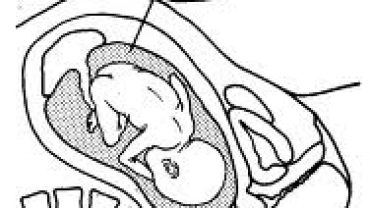
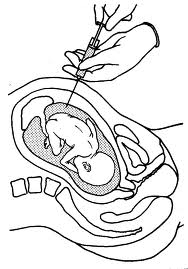
    In the more common trans-cervical method, ultrasound is used to guide a thin catheter through your cervix to the placenta. A small amount of chorionic villi cells are gently suctioned into the catheter. The trans-abdominal method is similar to amniocentesis and depends on ultrasound guidance. A long, thin needle is inserted through your abdomen into the placenta, where a small sample is withdrawn.

    CVS is done for many reasons, but the main reason is for early detection of chromosome abnormalities, such as Down syndrome and other genetic disorders. CVS cannot diagnose neural tube defects because it doesn’t sample any amniotic fluid for testing levels of AFP.

    The risk of a pregnancy ending in miscarriage are higher with CVS (one in 100) than with amniocentesis. Recent studies suggesting an association between CVS and limb malformation have made some doctors hesitant to offer this procedure.

    Since CVS provides a larger sample of cells than amniocentesis, results take a little less time to obtain. Some results may be possible within a day or two.

    More Prenatal Tests

    Amniocentesis
    Contraction Stress test (CST)
    Glucose Tolerance Testing
    Hemoglobin Test
    MSAFPT Test
    Non-Stress (NST) Test
    Rh Factor
    Triple Screen Test
    Ultrasound

  • Amniocentesis

    Amniocentesis

    The amniocentesis test is a test in which a needle is used to remove a sample of fluid from the amniotic sac surrounding your baby. The amniotic fluid, which contains cell shed by your baby, is then studied in a lab for analysis. If done for chromosome analysis, amniocentesis is usually performed after the 16th week of pregnancy. If a woman needs to give birth early for some medical reason, amniocentesis might be done shortly before delivery to asses fetal lung maturity.
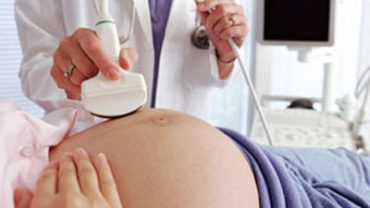
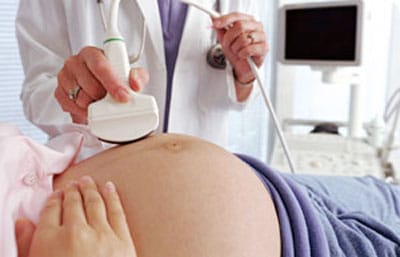
    In the first half of your pregnancy, your doctor may offer amniocentesis if your baby is suspected to be at increased risk for chromosome abnormalities, inherited disorders or neural tube defects. A chromosome analysis will also establish the gender of your baby (but amniocentesis is not offered for gender determination along.)

    Amniocentesis is considered to be a relatively safe procedure. The risk of miscarriage caused by amniocentesis ranges from one in 200 to one in 400. In the rare instances tat amniocentesis causes a miscarriage, it is usually because an infection develops in your uterus, the water breaks or labor is induced prematurely. It is not uncommon for women to experience mild complications such as cramping or water leakage or discomfort around the needle site.

    The procedure takes about 45 minutes. Your abdomen is cleansed with antiseptic. Some doctors offer a local anesthetic, which can be injected near the site to numb your abdomen. A long, hollow needle is placed through your abdominal wall and into your uterus. A small sample of fluid is withdrawn. Usually the results are back within a few days, although some require up to a week to obtain.

    More Prenatal Tests

    Chorionic Villus Sampling (CVS)
    Contraction Stress test (CST)
    Glucose Tolerance Testing
    Hemoglobin Test
    MSAFPT Test
    Non-Stress (NST) Test
    Rh Factor
    Triple Screen Test
    Ultrasound

  • Prenatal Tests

    Prenatal Tests

    The use of prenatal tests has become available since the 1980s and it can provide valuable information about the health of your baby.

    Prenatal testing can be helpful in determining any special care your baby may require during pregnancy and after he or she is born.

    Knowing about birth defects before your baby is born can also help you and your partner prepare for any challenges ahead.

    As you consider which prenatal tests are appropriate for you, think about the risks and benefits of each.

    Types of Prenatal Tests

    Amniocentesis
    Chorionic Villus Sampling (CVS)
    Contraction Stress test (CST)
    Glucose Tolerance Testing
    Hemoglobin Test
    MSAFPT Test
    Non-Stress (NST) Test
    Rh Factor
    Triple Screen Test
    Ultrasound