Prenatal Testing
This test helps your doctor evaluate the condition of your baby by measuring your baby’s heart rate in response to it’s own movements. Normally, the heart beats faster when the baby moves. This is usually done during the third trimester of pregnancy.
For a NST, you either lie on an exam table or sit back in a chair, while a belt with ultrasound transducers attached to it is placed around your abdomen. Your baby’s heart rate is recorded continuously for about 20 minutes. If your baby appears to be sleeping, the test may take longer.
The results are considered normal if the test is reactive- if the baby’s heart rate accelerated normally in response to it’s own movements. Follow-up tests are needed when a non-reactive NST is obtained.
More Tests
—Amniocentesis
—Chorionic Villus Sampling (CVS)
—Contraction Stress test (CST)
—Glucose Tolerance Testing
—Hemoglobin Test
—MSAFPT Test
—Non-Stress (NST) Test
—Rh Factor
—Triple Screen Test
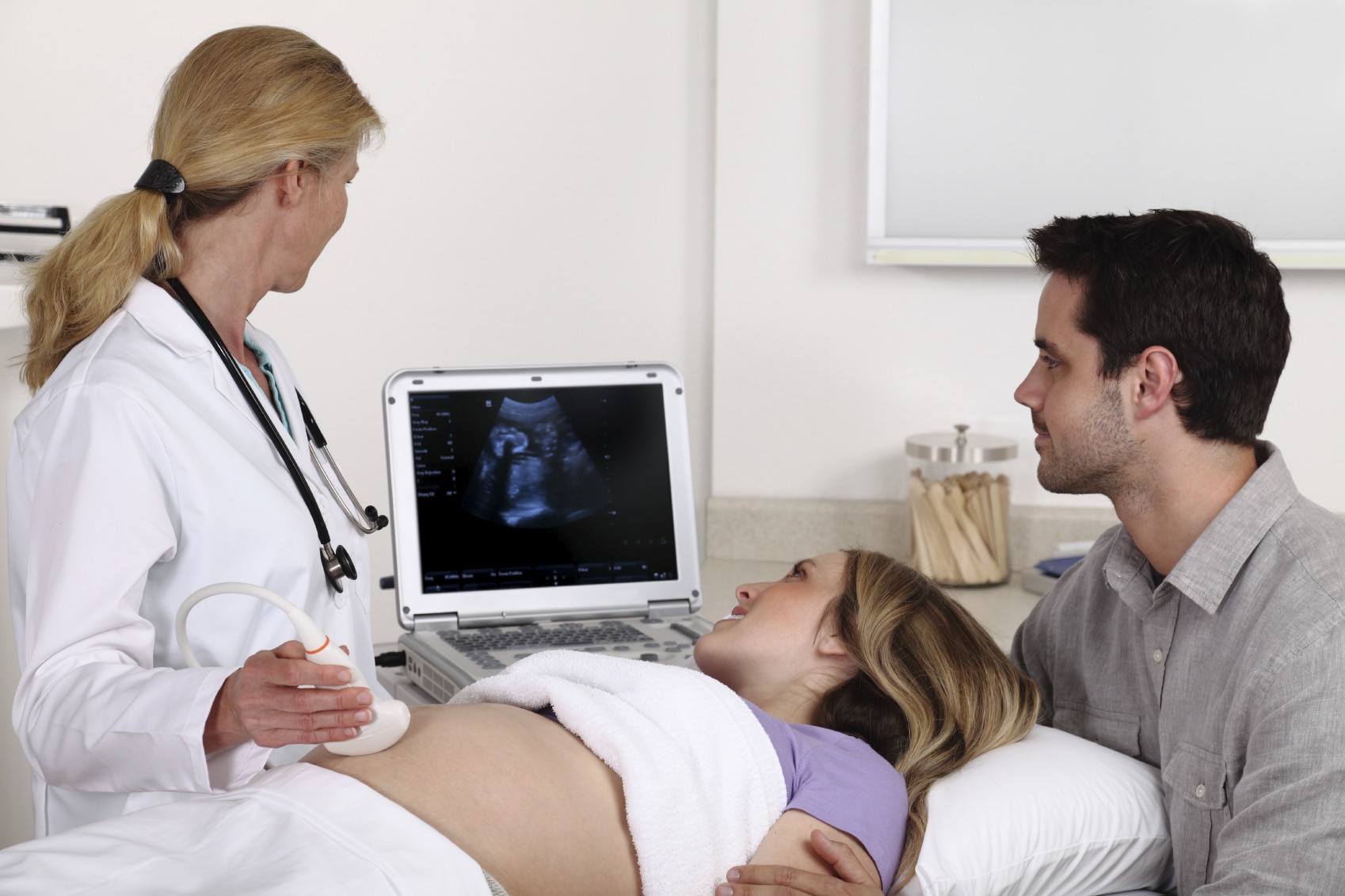
—Ultrasound








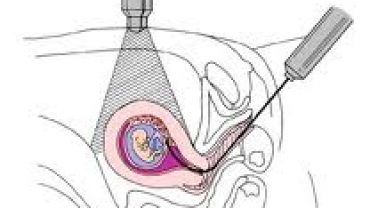
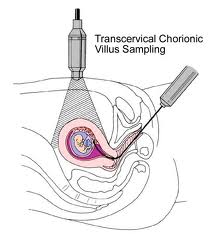 Chorionic villus sampling is usually done early in pregnancy between the 9th and 13th week. This is a procedure that involves removing a sample of chorionic villi cells from the placenta at the point where it attaches to the uterine wall.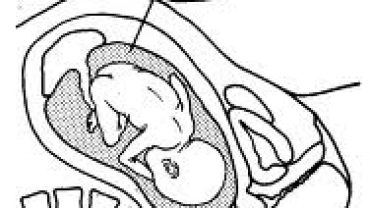
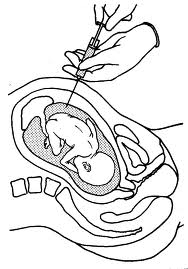 The amniocentesis test is a test in which a needle is used to remove a sample of fluid from the amniotic sac surrounding your baby. The amniotic fluid, which contains cell shed by your baby, is then studied in a lab for analysis. If done for chromosome analysis, amniocentesis is usually performed after the 16th week of pregnancy. If a woman needs to give birth early for some medical reason, amniocentesis might be done shortly before delivery to asses fetal lung maturity.