Tag: hormones

  • Women: Infertility

    The most common female infertility factor is ovulation disorders. Disruption in the part of the brain that regulates ovulation can cause deficiencies in luteinizing hormone (LH) and follicle-stimulating hormone (FSH). Even slight irregularities in the hormone system can affect ovulation. Along with hormonal imbalance, medical problems such as a pituitary gland tumor can cause ovulation problems. Age is another important factor in female infertility. The ability of a woman’s ovaries to produce eggs decline after age 35. About 1/3 of couples where the woman is over 35 have problems with fertility. Without ovulation, eggs are not available to be fertilized. Signs of ovulation problems include irregular periods or no periods.
    Other causes of female infertility include blocked or damaged fallopian tubes, which may occur when a woman has had pelvic inflammatory disease, sexually transmitted diseases (especially Chlamydia), an ectopic pregnancy, prior surgeries or endometriosis (a painful condition causing adhesions and cysts). If the fallopian tubes are blocked at one or both ends, the egg can’t travel through the tubes into the uterus.

    Uterine problems and abnormalities can interfere with embryo implantation. Adhesions, scar tissue, fibroids and defects in the shape of the uterus can all result in repeated miscarriages. A condition called Asherman’s Syndrome, where the walls of the uterus adhere to each other is another problem that can lead to infertility. Exposure to diethylstilbestrol (DES), used in the 50s and 60s to prevent miscarriage, can cause abnormalities in women’s reproductive organs such as deformities of the vagina, uterus or cervix, as well as many other complications.

    Cervical problems can cause your cervical mucus to be of poor quality. Sometimes your cervical mucus may even contain antibodies which immobilize or kill the sperm. Usually around the time of ovulation, your cervix produces clear, stretchy mucus, which allows sperm to penetrate the cervix on their journey to meet up with the egg. If you have poor quality mucus or not enough mucus, sperm cannot get through your cervix.

    There are many causes that can lead to temporary infertility in women including obesity and certain medications. In most cases, fertility is restored when the medication is stopped. Excess weight can lead to elevated estrogen levels which may prevent a woman from ovulating. Thyroid problems (either too much or too little thyroid hormone) can interrupt the menstrual cycle and cause infertility.

    Infertility and Men
    Treatment of Infertility

  • Tender Breasts: Pregnancy Discomforts

    When pregnancy hormone amounts, such as estrogen and progesterone, increase and your breasts start preparing for milk production, you may experience an increase in size as well as sensitivity. They may become extra tender and may even tingle, especially during the first trimester.

    Thankfully, soreness typically diminishes by the second trimester. Increase your bra size as your breasts become larger and wear a bra that provides firm support, even at night, if necessary, which can help ease discomfort and maintain support at the same time. This may also ease the strain put on your back, as your breasts become increasingly heavy.

    more Discomforts

    Backaches
    Breast Discomfort
    Braxton Hicks Contractions
    Constipation
    Dizziness and Fainting
    Fatigue
    Hand Numbness
    Headaches
    Heartburn and Indigestion
    Hemorrhoids
    Increased Discharge
    Itchy Abdomen
    Leg Cramps
    Nausea and Morning Sickness
    Overheating
    Pelvic Pressure
    Sleep Trouble
    Swelling
    Urinary Problems
    Varicose Veins

  • Pregnancy Nails

    Pregnancy Nails

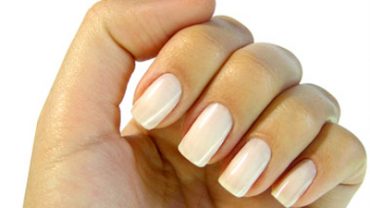
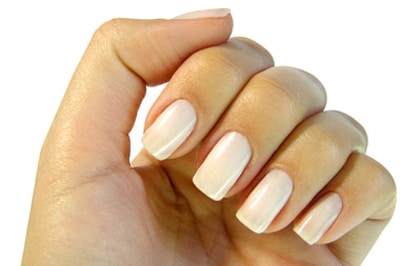
    pregnancy nailsNails, like just about every other part of a woman’s body tend to change during pregnancy. Many women notice that their fingernails and toenails change sometimes for the better, but sometimes for the worst. Some changes you may like, some you won’t. Every woman is different and most nail changes (or the lack of nail changes) during pregnancy are normal. Nails typically return to normal after delivery or when you stop breastfeeding.

    Due to extra pregnancy hormones (as well as prenatal vitamins and a generally healthier diet), your nails may grow faster, longer in length and become stronger when you are expecting. On the downside, some women experience softer, brittle pregnancy nails that peel, split and break more easily and sometimes develop rough surfaces.

    If your nails split and tear more easily when you’re pregnant, keep them short and well-trimmed. Nails should be cut straight across and rounded slightly at the tip for maximum strength. If you’ve always loved your long nails, it may help to remind yourself that shorter nails make it easier to care for and caress the sensitive skin of your baby.

    Avoid the chemicals in nail polish and nail polish remover. Using nail polish may damage your nails and make them much worse. A recent study has shown that certain chemicals that are commonly found in nail polish and removers (such as methyl methacrylate and acetonitrile) are dangerous and can cause numerous health problems including skin irritation, rashes and even poisoning. Not all nail polish and polish removers contains these harmful chemicals; you can find some that contain only natural ingredients and are biodegradable. Another downside to polish is that it prevents your nails from breathing. If you must use an acetone-containing polish remover, be sure to do your nails outside or at least in a well-ventilated room, because of the harmful fumes.

    The single most important thing you can do for your nails is to eat right and take your prenatal vitamins every day. Taking a good-quality, prenatal vitamin supplement is wonderful for the nails because they have such a high-nutrient density. Protein is the key nutrient needed for encouraging nail growth; a handful of almonds or cashews daily are excellent providers.

    Other things you can do to protect your nails are: wear rubber gloves when washing dishes (or anytime you’re working with water), gardening and when working with detergents or cleansers, moisturize your nails by applying lotion or cream at bedtime and avoid chemical-based cuticle softeners, instead use natural oils such as emu oil. Also, never remove your cuticle, because it may allow a painful and unsightly infection to develop. If your nails are yellow or discolored, soak them for a few minutes in pure lemon juice (wait for cuts to heal, otherwise the juice will sting), followed by a soak in olive oil. If you notice any swelling or pain associated with your nail changes, report it to your doctor, midwife or dermatologist.

  • Pregnancy Tests

    Pregnancy Tests

    Most at home early pregnancy tests allow you to read the result as soon as 2-3 minutes after taking the test, but many have time limits- meaning not to read the result after a specified length of time. The accuracy of home pregnancy tests depends on how closely you follow the instructions. If you do a home pregnancy test four to seven days after your missed period, it will be positive 95 percent of the time (assuming you are pregnant).

    How an Early Pregnancy Test Works

    About four days after conception, the fertilized egg begins to produce a hormone called human chorionic gonadotropin (or hCG for short). One of the first tasks of this hormone is to notify the ovaries that you are pregnant and no more ovulations are needed for a long time. The signal also directs the ovary to help retain the endometrium (the uterine lining) and prevent your menstrual period, which would expel the newly-attached embryo from your uterus.

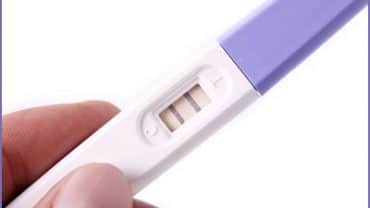
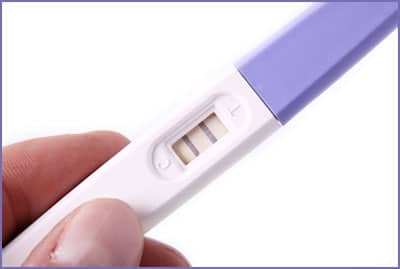
    Human chorionic gonadutropin (hCG) can be detected first in your blood and shortly thereafter in your urine. Most tests can tell you if you’re pregnant as early as the first day of your missed period (about 14 days after conception) or even earlier. The tests were created to detect the presence of hCG in your urine. If there is hCG detected in your urine, it reacts with the chemicals on the test strip to create a “+” sign or a second line in the result window (depending on what brand of test you use). Remember, whether the makers of the test claim you can take the test any time of the day, first- morning urine always contains the highest concentration of hCG.

    The major drawback with home pregnancy tests is that when done in the early days of pregnancy, sometimes it will indicate you’re not pregnant, when in fact you are. This can occur because levels of hCG are low in early pregnancy and can go undetected. For this reason, test results that indicate you are not pregnant are more often wrong than test results that indicate you are pregnant.

    Home pregnancy tests are not designed to take the place of a consultation with your doctor. They should be considered screening tests only. If your test result is negative, but your period is late and you have symptoms of pregnancy, consult your health care provider. If your result is positive, make an appointment with your doctor for confirmation and a complete prenatal check-up.

    Blood pregnancy tests are very accurate and can detect the presence of hCG as early as one week after conception. They can also be helpful in determining how far along you are by measuring the exact amount of hCG in your blood, since the levels tend to double about every two days in early pregnancy.

  • Morning Sickness Remedies

    Morning Sickness Remedies

    Diet is the best tool to minimize morning sickness discomfort and make it more bearable. Sometimes you may reduce nausea and vomiting by making changes in your diet and eating habits.

    Keep a few simple snacks by your bed, such as soda crackers, graham crackers, granola bars, rice cakes, dry cereal or pretzels. Eating carbohydrate-rich foods and foods high in protein, especially right before you get up in the morning, may help combat nausea. Nibble a few crackers and then rest for 20- 30 minutes before getting out of bed. Snacking on crackers may also help you feel better if you wake up feeling nauseated in the middle of the night.

    Due to increased estrogen levels, pregnant women are particularly sensitive to smells. Try to avoid the sight, smell, and taste of foods that bother you and make you queasy. Many pregnant women want to avoid any activity that has to do with food when they are feeling sick, including cooking meals and grocery shopping. Have your partner prepare meals and shop for food, when possible. Also, when cooking (or when your partner is cooking), make sure to keep windows open and have a fan on to minimize food odors that might trigger nausea.

    The nausea experienced during pregnancy is one of the few that is relieved by having food in the stomach. Eat before nausea strikes, because food will be easier to get down and that way, you may be able to prevent an attack. Eat small, frequent meals or snacks throughout the day (as often as every 1-2 hours if necessary), so that your stomach is never empty, since an empty stomach tends to make morning sickness worse. Low blood sugar levels, resulting from long stretches between meals, can trigger nausea, as can eating too much at one meal. Large meals are to be avoided.

    Women with a higher intake of fat may be more likely to suffer morning sickness than those with less saturated fat. Limit or eliminate fatty, greasy and fried foods, which take longer to digest, particularly during pregnancy when your stomach takes longer to empty. Try to avoid spicy foods which can irritate your stomach and digestive system. Stick to good old bland foods.

    It’s best to avoid fluids at meal time. Drink small amounts of fluids primarily in between meals instead. Don’t drink so much at once that your stomach feels full, as that will make you less hungry for food, although make sure you get plenty of water throughout the day to keep yourself well-hydrated, especially if you are vomiting. Sometimes drinks at cold temperatures help curb nausea better than hot drinks. Fruit juices, Gatorade and popsicles are helpful, as well as sucking on ice chips (an ice pack on your forehead might even help!) Keep caffeine intake to a minimum as it can make you feel worse, contribute to dehydration and further irritate nausea.

    Many pregnant women crave sour or bitter tastes like lemon, which may have a therapeutic effect and can calm your system. Drinking lemonade or lemon water, smelling lemons, or just a small taste of lemon will normally calm an upset stomach. You can put slices of lemon in your iced tea, sparkling water or even simply suck on a lemon wedge.

    Drinking decaffeinated herbal teas (be careful, some herbal teas may be harmful during pregnancy) may help relieve morning sickness. Teas like peppermint, mint, chamomile, red raspberry leaf and ginger can be calming in reasonable and small doses. Ginger is thought to settle the stomach and help relieve queasiness. Ginger ale (made with real ginger), ginger tea (grated fresh into hot water), ginger candies, dried ginger and ginger cookies may all help relieve nausea. Powdered ginger root capsules are another option. It is always advisable to speak to your doctor or midwife first before taking any herbs.

    Sometimes, iron can be hard on your digestive system and become bothersome during pregnancy. Avoid extra iron supplements, especially in your first trimester, unless you are anemic. If you think your morning sickness may be related to your prenatal vitamins, talk to your doctor or midwife. They may switch you to a prenatal vitamin with a lower dose of iron for the first trimester. You might find that taking your prenatal vitamins later in the day, rather than in the morning may help. Also, taking them with food, possibly with dinner may be best, if they cause your stomach to be upset. Never stop taking your prenatal vitamin supplement, unless you’re advised by your doctor to do so.

    Vitamin B6 eases nausea in some women and can be helpful in low doses. Increase vitamin B6 in your diet by eating whole grains, nuts, seeds, and legumes. Talk to your doctor or midwife about possibly taking a vitamin B6 supplement, because he or she can tell you how much to take and whether or not the amount in your prenatal vitamin should count as one of the doses. (The amount of vitamin B6 in supplements varies by brand.) Sometimes a combination of Vitamin B6 and Unisom are even more helpful in easing morning sickness. Never take any extra vitamin supplement without your doctor’s approval.

    More Articles on Morning Sickness

    Morning Sickness
    Morning Sickness Help
    Diet and Morning Sickness
    Morning Sickness Alternatives

  • Morning Sickness: Acupressure and Acupressure

    Morning Sickness: Acupressure and Acupressure

    Avoid taking medications for morning sickness if you possibly can to avoid any risk or danger to your baby. Non-food, alternative medicine approaches that may help include acupressure wristbands and acupuncture are what some women use to relief their discomfort.

    Acupuncture may be helpful in relieving nausea. The acupuncture point is on the inside of the forearm, two thumbs up from the inside of the wrist crease between the two tendons. If you are considering acupuncture, talk to your doctor or midwife first and seek an acupuncturist that has been specially trained to work with pregnant women.

    Acupressure wristbands are soft cotton bands with a plastic bead, which were designed for sea sickness and travel sickness. They provide pressure, without any needles. They have helped many pregnant women through morning sickness (although some studies suggests that it may be largely a placebo effect, opinions are mixed). The plastic bead presses on an acupressure point on the underside of your wrist and works on a similar principal as acupuncture, reducing nausea. They are simple, inexpensive and are sold at many drug, health and boating stores.

    Morning sickness begins during the first trimester, when the your baby is most vulnerable to developing birth defects. Therefore, medications are best avoided during that time unless the benefit outweighs any possible risk to the baby. For the most severe, persistent nausea and vomiting that is causing dehydration or weight loss (hyperemesis gravidarum), your doctor or midwife may prescribe an anti-nausea medication for you that is not known to cause any risk to your unborn baby.

    Since the disaster of Thalidomide in the 1950s and 60s, the use of medical treatments have been commonly avoided when possible, out of concern about the medications’ safety. Thalidomide was used by some pregnant women in over 50 countries, mainly Europe and Canada (but not in the US) to treat morning sickness and was banned worldwide, because women who took the drug in early pregnancy gave birth to children with tragic birth defects. According to the March of Dimes, more than 10,000 children around the world were born with major malformations, many missing arms and legs and most not surviving past their first year. Thalidomide was not tested for effects on unborn babies before it was prescribed to pregnant women. The more reassuring news is that the FDA now requires companies to test drugs for harmful effects on unborn babies before putting them on the market.

    No drugs are currently FDA-approved for the treatment of morning sickness. However, conventional treatment for nausea and vomiting during pregnancy includes medications such as Dramamine, Unisom, Benadryl, Tigan, Zofran, Phenergan, Anergan, Reglan, Prednisone, Zantac, Tagamet, Pepcid, Prevacid and sometimes a combination of Unisom and vitamin B6. DO NOT take motion-sickness or nausea medications of any kind without your doctor’s okay.

    More Articles on Morning Sickness

    Morning Sickness
    Morning Sickness Help
    Morning Sickness Remedies
    Diet and Morning Sickness

  • Morning Sickness Diet

    Morning Sickness Diet

    Women with a higher intake of fat may be more likely to suffer morning sickness than those with less saturated fat. Limit or eliminate fatty, greasy and fried foods, which take longer to digest, particularly during pregnancy when your stomach takes longer to empty. Try to avoid spicy foods which can irritate your stomach and digestive system. Stick to good old bland foods.

    It’s best to avoid fluids at meal time. Drink small amounts of fluids primarily in between meals instead. Don’t drink so much at once that your stomach feels full, as that will make you less hungry for food, although make sure you get plenty of water throughout the day to keep yourself well-hydrated, especially if you are vomiting. Sometimes drinks at cold temperatures help curb nausea better than hot drinks. Fruit juices, Gatorade and popsicles are helpful, as well as sucking on ice chips (an ice pack on your forehead might even help!) Keep caffeine intake to a minimum as it can make you feel worse, contribute to dehydration and further irritate nausea.

    Many pregnant women crave sour or bitter tastes like lemon, which may have a therapeutic effect and can calm your system. Drinking lemonade or lemon water, smelling lemons, or just a small taste of lemon will normally calm an upset stomach. You can put slices of lemon in your iced tea, sparkling water or even simply suck on a lemon wedge.

    Drinking decaffeinated herbal teas (be careful, some herbal teas may be harmful during pregnancy) may help relieve morning sickness. Teas like peppermint, mint, chamomile, red raspberry leaf and ginger can be calming in reasonable and small doses. Ginger is thought to settle the stomach and help relieve queasiness. Ginger ale (made with real ginger), ginger tea (grated fresh into hot water), ginger candies, dried ginger and ginger cookies may all help relieve nausea. Powdered ginger root capsules are another option. It is always advisable to speak to your doctor or midwife first before taking any herbs.

    Sometimes, iron can be hard on your digestive system and become bothersome during pregnancy. Avoid extra iron supplements, especially in your first trimester, unless you are anemic. If you think your morning sickness may be related to your prenatal vitamins, talk to your doctor or midwife. They may switch you to a prenatal vitamin with a lower dose of iron for the first trimester. You might find that taking your prenatal vitamins later in the day, rather than in the morning may help. Also, taking them with food, possibly with dinner may be best, if they cause your stomach to be upset. Never stop taking your prenatal vitamin supplement, unless you’re advised by your doctor to do so.

    Vitamin B6 eases nausea in some women and can be helpful in low doses. Increase vitamin B6 in your diet by eating whole grains, nuts, seeds, and legumes. Talk to your doctor or midwife about possibly taking a vitamin B6 supplement, because he or she can tell you how much to take and whether or not the amount in your prenatal vitamin should count as one of the doses. (The amount of vitamin B6 in supplements varies by brand.) Sometimes a combination of Vitamin B6 and Unisom are even more helpful in easing morning sickness. Never take any extra vitamin supplement without your doctor’s approval.

    More Articles on Morning Sickness

    Morning Sickness
    Morning Sickness Remedies
    Morning Sickness Help
    Morning Sickness Alternatives

  • Morning Sickness Help

    Morning sickness is usually connected to the sight, taste and smell of certain foods and other irritants such as cigarette smoke. It’s best to avoid strong odors, by keeping rooms well-ventilated and staying clear of second-hand smoke. Surround yourself with pleasant scents. It may help to keep air freshener handy to combat unpleasant odors. Certain toothpastes can increase queasiness, so try and find one that you can handle.

    Fatigue tends to aggravate morning sickness and makes it worse. Rest as much as possible and take cat naps during the day, if you can. Try to lie down when nausea strikes and make sure you’re getting plenty of sleep. Rushing tends to aggravate nausea. Don’t get out of bed quickly, instead stand up slowly and keep morning activities slow and calm.

    Some researchers theorize that stress and emotions may also play a role in morning sickness. Try to minimize stress as much as possible, by giving yourself time to relax. Watching a movie, visiting with a friend, talking to another mom-to-be are all good stress-relievers.

    Other things you can try include: medications, acupressure, acupuncture and dietary strategies.

    More Articles on Morning Sickness

    Morning Sickness
    Morning Sickness Remedies
    Diet and Morning Sickness
    Morning Sickness Alternatives

  • Morning Sickness

    Morning Sickness

    Nausea and morning sickness is common in early pregnancy, typically beginning about 3-4 weeks after conception and diminishing later in pregnancy, usually by the start of the second trimester. Some women continue to experience morning sickness well into their second trimester and even beyond. Despite its common name, morning sickness can occur at any time of the day, although it tends to be the worst early in the day.

    Morning sickness has long been believed to be a sign of a healthy pregnancy and is linked to a lower miscarriage rate. There is some evidence that pregnancies affected by morning sickness do better than pregnancies in which there is no nausea at all. As you?re hunched over the toilet bowl, you can cling to that knowledge and maybe it will make you feel a little better.

    The cause of the nausea and vomiting during pregnancy remains unknown, although it appears to be related to the production of pregnancy hormones, particularly HCG (human chorionic gonadotrophin) and also high levels of estrogen. Other possible causes include fluctuations in blood pressure, rapid lowering of blood sugar levels, carrying multiple babies, emotional stress, an enhanced sense of smell, excess acid in the stomach and a high-fat diet.

    In most cases, morning sickness won?t harm you or your unborn baby. However, morning sickness can become more of a problem if you can’t keep any food or fluids down and begin to lose a lot of weight. Should your vomiting become severe, you should notify your doctor or midwife if you are unable to keep anything down for 24 hours. This degree of vomiting may require IV hydration. The most severe morning sickness is called hyperemesis gravidarum, which sometimes requires hospitalization.

    Women that experience morning sickness are likely very interested in finding ways to cope with it and minimize the nausea. There is no single guaranteed remedy for morning sickness, but there are a few things you can try.

    More Articles on Morning Sickness