
 If traveling internationally here are some pregnancy tips and guidelines to go by. A pregnant woman may be exposed to infectious diseases, just like any other traveler. If you are pregnant, you must take additional special precautions when planning a trip to a remote area or developing country to protect yourself as well as your unborn baby from disease and illness.
Plan Your Trip
Before planning international trips especially, you should weigh the availability of quality medical care by researching medical facilities at your destination. Many remote areas have less than first-class medical facilities and risks of tropical diseases such has malaria (which could have very serious effects on your unborn baby).
Many vaccines and medications routinely recommended for travel may not be safe in pregnancy or adequately studied in pregnant women. Ideally, you should receive vaccines prior to becoming pregnant. If vaccines are indicated during pregnancy, the risk of exposure and risks to you and your baby from the disease must be weighed against potential risks from the specific vaccines. These are things that need to be discussed with your doctor or midwife.
When Travel Should be Avoided
If you have certain medical conditions or a history of problems during pregnancy, travel may need to be avoided. You may be advised not to travel if you have a history of preterm labor or premature rupture of membranes (PROM), miscarriage or an incompetent cervix. If you currently have vaginal bleeding, hypertension, gestational diabetes, severe anemia, placental abnormalities, a multiple pregnancy (carrying twins or more) or if this is your first pregnancy and you are over 35, you may want to choose to stay closer to home, to avoid potential problems.
Don’t Travel Alone
Traveling with at least one companion is a good choice, particularly when traveling long distances. Make sure to carry a copy of your prenatal records, including a card specifying your blood type and check to make sure your health insurance is valid while you are abroad (if traveling overseas). In addition, check to see whether the policy will cover delivery, if you go into preterm labor. If you will need prenatal care while you’re away, arrange for this before you leave with your doctor or midwife. Anticipate any complications or potential emergencies that could arise before you travel, to minimize possible threats to your unborn baby and to heighten your enjoyment during your vacation.
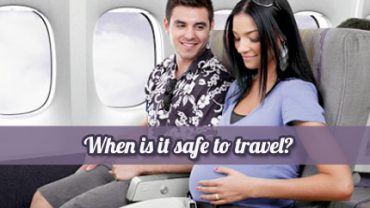
 If you’re going through pregnancy, you may be wondering if it’s safe for you to travel & also what extra precautions you should take during your time away. If you are in good health and you’ve already spoken with your doctor or midwife about possible risks and potential problems that may arise (especially if planning to travel abroad), the decision is all yours. Pregnancy travel — this may be the last time you’ll have a chance to get away with your partner for a while; just the two of you.