Tag: tips

  • 6 Pregnancy Tips for 2015

    6 Pregnancy Tips for 2015

    skinGood advice is hard to come by as what’s considered good advice today may not be considered good years later.  Take for example, Teflon, the biggest craze in the 70’s due to the non-sticking nature of the coating, replaced most all coating .  Today, Teflon is looked down upon by some who say it is linked to cancer, thyroid disease, ulcerative colitis, and high cholesterol.  That wonderful product that was raved about is now something to stay away from. That said, we’ve gathered a few things on a list for the expectant mom that are considered good tips for 2014!

    Pregnancy Tip 1Exercise is good in pregnancy and can lower the risk of miscarriage, so that’s really good news.  It is said to reduce complications when in labor and even reduce the time of your labor, but don’t overdo it.

    Pregnancy Tip 2Start taking prenatal vitamins before you’re pregnant.  Prenatal vitamins help nail and hair health even when not pregnant.  I take them and I’m not expecting.  In fact, some recommend prenatal vitamins after cancer treatments to help hair return faster and healthier.  There you have it! I get mine from Walmart because they are cheaper at just $8 a pop. Check with your doctor for a prenatal vitamin suggestions.

    Pregnancy Tip 3When cleaning around the house, opt for organic or natural cleaners instead of harsh ones or those full of chemicals and toxic ingredients.  If you must use a chemical cleaner, be sure to wear rubber gloves as the toxins can penetrate your skin and enter the bloodstream and reach your baby. We found a great natural cleaner tips at Mother Earth News that seems perfect for an expectant mother.

    Pregnancy Tip 4If you have a cat, don’t change your cat litter. Have someone else do it for you. Coming into contact with the feces or urine of a cat may infect you with toxoplasmosis.  One more chore off your list!  From Wikipedia, “Toxoplasmosis is a parasitic disease caused by the protozoan Toxoplasma gondii.[1] The parasite infects most genera of warm-blooded animals, including humans, but the primary host is the felid (cat) family. ”

    Pregnancy Tip 5Do leg and foot stretches before heading to bed.  I still remember the pain of waking up in the middle of the night with a horrible foot cramp that my husband could only fix if he grabbed my foot and pulled it up toward me.  I didn’t know that you’re supposed to stretch before bedtime.

    Pregnancy Tip 6Lastly, be prepared to order a dinner while out and by the time the plate comes out from the kitchen, you’ve decided you want your husband’s meal instead.  The funny thing is, I could never get away with this when not pregnant.  But when pregnant, my husband would gladly give in knowing there was absolutely no rhyme or reason to it, nor could I change that craving.

  • International Travel in Pregnancy

    International Travel in Pregnancy

    If traveling internationally here are some pregnancy tips and guidelines to go by. A pregnant woman may be exposed to infectious diseases, just like any other traveler. If you are pregnant, you must take additional special precautions when planning a trip to a remote area or developing country to protect yourself as well as your unborn baby from disease and illness.


    Plan Your Trip

    Before planning international trips especially, you should weigh the availability of quality medical care by researching medical facilities at your destination. Many remote areas have less than first-class medical facilities and risks of tropical diseases such has malaria (which could have very serious effects on your unborn baby).

    Many vaccines and medications routinely recommended for travel may not be safe in pregnancy or adequately studied in pregnant women. Ideally, you should receive vaccines prior to becoming pregnant. If vaccines are indicated during pregnancy, the risk of exposure and risks to you and your baby from the disease must be weighed against potential risks from the specific vaccines. These are things that need to be discussed with your doctor or midwife.

    When Travel Should be Avoided

    If you have certain medical conditions or a history of problems during pregnancy, travel may need to be avoided. You may be advised not to travel if you have a history of preterm labor or premature rupture of membranes (PROM), miscarriage or an incompetent cervix. If you currently have vaginal bleeding, hypertension, gestational diabetes, severe anemia, placental abnormalities, a multiple pregnancy (carrying twins or more) or if this is your first pregnancy and you are over 35, you may want to choose to stay closer to home, to avoid potential problems.

    Don’t Travel Alone

    Traveling with at least one companion is a good choice, particularly when traveling long distances. Make sure to carry a copy of your prenatal records, including a card specifying your blood type and check to make sure your health insurance is valid while you are abroad (if traveling overseas). In addition, check to see whether the policy will cover delivery, if you go into preterm labor. If you will need prenatal care while you’re away, arrange for this before you leave with your doctor or midwife. Anticipate any complications or potential emergencies that could arise before you travel, to minimize possible threats to your unborn baby and to heighten your enjoyment during your vacation.

  • Pregnancy Bedrest Survival Tips

    Pregnancy Bedrest Survival Tips

    pregnancy bedrestIt’s one of the most dreaded words to hear during pregnancy bedrest. But it’s not a prison sentence. There are ways to survive. You will need outside help, but you can do it.
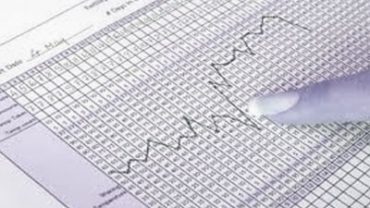

    I know firsthand that this isn’t really fun. My first baby “dropped” at just 18 weeks. My doctor threw me on bedrest faster than I could say, “Huh?” When I became too active after that (Yes, I was bad and didn’t obey all the time), I experienced preterm labor. But I learned how to cope after a bit. Here are some tips from a “been there, done that” mommy.

    Make sure your meds and vitamins are next to your bed, along with water. Have your husband put a cooler next to your side of the bed with some fresh, cold water and a few snacks. When my mom was almost fully bedridden from cancer, I found one of those tiny portable refrigerators for her. My dad would put a glass of milk in it and a bowl of dry cereal next to it each morning before he left for work. When the nurse or one of us arrived in the morning, we were able to help her get her day started from that point and she wasn’t famished. You could do the same thing.

    Choose your trips out of bed wisely. Do several things at a time when you are sentenced to pregnancy bedrest. Go to the bathroom, brush your teeth, take your quick shower (depending on doctor’s orders) and get dressed. Rest for a couple of hours. Go to the fridge, grab your lunch, hit the bathroom, pick up a few magazines, a newspaper or a book to read, settle down on the couch for the afternoon. Rest a few hours more. Toss a prepared dinner in the oven and visit the restroom again, since during the resting periods you should be drinking lots of water!

    If you currently have children, have your husband or someone else help teach them how to climb up in bed and help you. Depending upon their age, they can fetch things throughout the day for you. For toddlers, keep puzzles, books, crayons, etc. next to the bedside to keep them occupied with you. Keep their food, drinks, diapers and wipes with you, as well.

    Now, obviously, this cannot all be accomplished by yourself. You will need to rely on the help of friends and family. Maybe a neighbor, co-worker, church member or relative could arrange for meals to be brought in for your family a few times a week. You will need someone to arrange for some of the housework to be done. Someone will need to come help take care of your small children, too.

    But during the quiet rest times, think up things to do that you enjoy and work on them. Start knitting or crocheting that afghan you’ve wanted to make. Finish the cross-stitch you started for your mom. Work on your pregnancy journal. If you have a laptop, you can surf the web, email friends, complete your baby registry and shop for your baby’s nursery. Give yourself a manicure and pedicure. If you play the violin, this is a great time to do it. Catch up with your friends by having a game or movie night. If you are in a bible study or a book club, ask the other members if they can meet at your home while you’re on bedrest. Just try to relax and enjoy your favorite quiet hobbies now while you have time.

    Try not to dwell on the negative aspects of what you’re experiencing. Finding the positive aspects may be difficult. But at least you are doing what is needed to take care of your precious baby. This will give him or her the best chance towards a healthy life. Look at it this way, youll be well rested when that sweet little bundle arrives!

  • Tips for Getting Pregnant

    Tips for Getting Pregnant

    getting pregnantTrying to conceive or getting pregnant can be as simple as discontinuing contraception for some women, but for many others it can take a while to increase fertility. A healthy couple has only about a 25 percent chance of conceiving during each cycle. Only 75 to 85 percent of all couples get pregnant within the first year of trying. It takes time.


    There are certain things that can boost your odds of getting pregnant or while trying to conceive, whether you just started trying to become pregnant or have been trying for a while. There are also specific steps you can take to improve your chances of having a healthy baby, while trying to conceive. Planning ahead will boost your chances of having a healthy pregnancy, as well as giving your baby the best possible start in life. Consider looking through this article, Women’s Health.gov that offers more tips for getting pregnant.

    Lubricants to Aid in Getting Pregnant

    Don’t use lubricants when trying to conceive (especially petroleum jelly, which is very harmful to your vaginal membranes). Some believe that water soluble lubricants are okay, but in fact even these can be extremely hostile towards sperm. If you are having trouble producing enough arousal fluid, try to spend more time working up to intercourse, since intercourse can be painful without it. Natural lubrication may increase when you and your partner take the time to kiss and caress for at least a half hour prior to intercourse.

    Cervical Mucus

    Right before and during ovulation, your body produces wet, slippery and sometimes stretchy cervical mucus. This mucus signals fertility and keeps sperm alive when normally natural acids in the vagina will kill sperm within a matter of hours. Also, the slippery fertile mucus permits sperm to easily swim through the cervix, multiplying your chances of conceiving.

    Be aware of your body as you go about your daily routine and also observe your cervical mucus before and after each bathroom visit, to see if there has been any changes from your other observations. This my help in getting pregnant. More wetter, more lubricative or stretchier mucus indicates increasing fertility and chances of getting pregnant and conceiving. If there is no mucus from morning until evening, and you’re dry, or the mucus feels stiff or crumbly, then you’re most likely infertile.

    Positions for Conception

    Every wonder what the best positions are for getting pregnant? While no position prevents pregnancy, the missionary position (with the man on top) is said to be the best for succeeding in pregnancy. Keeping a pillow under your hips, remaining still and staying in bed for 20 to 30 minutes (or better yet, for the rest of the night), may also help more sperm find their way to your cervix.

  • Morning Sickness Remedies

    Morning Sickness Remedies

    Diet is the best tool to minimize morning sickness discomfort and make it more bearable. Sometimes you may reduce nausea and vomiting by making changes in your diet and eating habits.

    Keep a few simple snacks by your bed, such as soda crackers, graham crackers, granola bars, rice cakes, dry cereal or pretzels. Eating carbohydrate-rich foods and foods high in protein, especially right before you get up in the morning, may help combat nausea. Nibble a few crackers and then rest for 20- 30 minutes before getting out of bed. Snacking on crackers may also help you feel better if you wake up feeling nauseated in the middle of the night.

    Due to increased estrogen levels, pregnant women are particularly sensitive to smells. Try to avoid the sight, smell, and taste of foods that bother you and make you queasy. Many pregnant women want to avoid any activity that has to do with food when they are feeling sick, including cooking meals and grocery shopping. Have your partner prepare meals and shop for food, when possible. Also, when cooking (or when your partner is cooking), make sure to keep windows open and have a fan on to minimize food odors that might trigger nausea.

    The nausea experienced during pregnancy is one of the few that is relieved by having food in the stomach. Eat before nausea strikes, because food will be easier to get down and that way, you may be able to prevent an attack. Eat small, frequent meals or snacks throughout the day (as often as every 1-2 hours if necessary), so that your stomach is never empty, since an empty stomach tends to make morning sickness worse. Low blood sugar levels, resulting from long stretches between meals, can trigger nausea, as can eating too much at one meal. Large meals are to be avoided.

    Women with a higher intake of fat may be more likely to suffer morning sickness than those with less saturated fat. Limit or eliminate fatty, greasy and fried foods, which take longer to digest, particularly during pregnancy when your stomach takes longer to empty. Try to avoid spicy foods which can irritate your stomach and digestive system. Stick to good old bland foods.
    It’s best to avoid fluids at meal time. Drink small amounts of fluids primarily in between meals instead. Don’t drink so much at once that your stomach feels full, as that will make you less hungry for food, although make sure you get plenty of water throughout the day to keep yourself well-hydrated, especially if you are vomiting. Sometimes drinks at cold temperatures help curb nausea better than hot drinks. Fruit juices, Gatorade and popsicles are helpful, as well as sucking on ice chips (an ice pack on your forehead might even help!) Keep caffeine intake to a minimum as it can make you feel worse, contribute to dehydration and further irritate nausea.

    Many pregnant women crave sour or bitter tastes like lemon, which may have a therapeutic effect and can calm your system. Drinking lemonade or lemon water, smelling lemons, or just a small taste of lemon will normally calm an upset stomach. You can put slices of lemon in your iced tea, sparkling water or even simply suck on a lemon wedge.

    Drinking decaffeinated herbal teas (be careful, some herbal teas may be harmful during pregnancy) may help relieve morning sickness. Teas like peppermint, mint, chamomile, red raspberry leaf and ginger can be calming in reasonable and small doses. Ginger is thought to settle the stomach and help relieve queasiness. Ginger ale (made with real ginger), ginger tea (grated fresh into hot water), ginger candies, dried ginger and ginger cookies may all help relieve nausea. Powdered ginger root capsules are another option. It is always advisable to speak to your doctor or midwife first before taking any herbs.

    Sometimes, iron can be hard on your digestive system and become bothersome during pregnancy. Avoid extra iron supplements, especially in your first trimester, unless you are anemic. If you think your morning sickness may be related to your prenatal vitamins, talk to your doctor or midwife. They may switch you to a prenatal vitamin with a lower dose of iron for the first trimester. You might find that taking your prenatal vitamins later in the day, rather than in the morning may help. Also, taking them with food, possibly with dinner may be best, if they cause your stomach to be upset. Never stop taking your prenatal vitamin supplement, unless you’re advised by your doctor to do so.

    Vitamin B6 eases nausea in some women and can be helpful in low doses. Increase vitamin B6 in your diet by eating whole grains, nuts, seeds, and legumes. Talk to your doctor or midwife about possibly taking a vitamin B6 supplement, because he or she can tell you how much to take and whether or not the amount in your prenatal vitamin should count as one of the doses. (The amount of vitamin B6 in supplements varies by brand.) Sometimes a combination of Vitamin B6 and Unisom are even more helpful in easing morning sickness. Never take any extra vitamin supplement without your doctor’s approval.

    More Articles on Morning Sickness

    Morning Sickness
    Morning Sickness Help
    Diet and Morning Sickness
    Morning Sickness Alternatives

  • Morning Sickness: Acupressure and Acupressure

    Morning Sickness: Acupressure and Acupressure

    Avoid taking medications for morning sickness if you possibly can to avoid any risk or danger to your baby. Non-food, alternative medicine approaches that may help include acupressure wristbands and acupuncture are what some women use to relief their discomfort.

    Acupuncture may be helpful in relieving nausea. The acupuncture point is on the inside of the forearm, two thumbs up from the inside of the wrist crease between the two tendons. If you are considering acupuncture, talk to your doctor or midwife first and seek an acupuncturist that has been specially trained to work with pregnant women.

    Acupressure wristbands are soft cotton bands with a plastic bead, which were designed for sea sickness and travel sickness. They provide pressure, without any needles. They have helped many pregnant women through morning sickness (although some studies suggests that it may be largely a placebo effect, opinions are mixed). The plastic bead presses on an acupressure point on the underside of your wrist and works on a similar principal as acupuncture, reducing nausea. They are simple, inexpensive and are sold at many drug, health and boating stores.

    Morning sickness begins during the first trimester, when the your baby is most vulnerable to developing birth defects. Therefore, medications are best avoided during that time unless the benefit outweighs any possible risk to the baby. For the most severe, persistent nausea and vomiting that is causing dehydration or weight loss (hyperemesis gravidarum), your doctor or midwife may prescribe an anti-nausea medication for you that is not known to cause any risk to your unborn baby.

    Since the disaster of Thalidomide in the 1950s and 60s, the use of medical treatments have been commonly avoided when possible, out of concern about the medications’ safety. Thalidomide was used by some pregnant women in over 50 countries, mainly Europe and Canada (but not in the US) to treat morning sickness and was banned worldwide, because women who took the drug in early pregnancy gave birth to children with tragic birth defects. According to the March of Dimes, more than 10,000 children around the world were born with major malformations, many missing arms and legs and most not surviving past their first year. Thalidomide was not tested for effects on unborn babies before it was prescribed to pregnant women. The more reassuring news is that the FDA now requires companies to test drugs for harmful effects on unborn babies before putting them on the market.

    No drugs are currently FDA-approved for the treatment of morning sickness. However, conventional treatment for nausea and vomiting during pregnancy includes medications such as Dramamine, Unisom, Benadryl, Tigan, Zofran, Phenergan, Anergan, Reglan, Prednisone, Zantac, Tagamet, Pepcid, Prevacid and sometimes a combination of Unisom and vitamin B6. DO NOT take motion-sickness or nausea medications of any kind without your doctor’s okay.

    More Articles on Morning Sickness

    Morning Sickness
    Morning Sickness Help
    Morning Sickness Remedies
    Diet and Morning Sickness

  • Morning Sickness Diet

    Morning Sickness Diet

    Women with a higher intake of fat may be more likely to suffer morning sickness than those with less saturated fat. Limit or eliminate fatty, greasy and fried foods, which take longer to digest, particularly during pregnancy when your stomach takes longer to empty. Try to avoid spicy foods which can irritate your stomach and digestive system. Stick to good old bland foods.

    It’s best to avoid fluids at meal time. Drink small amounts of fluids primarily in between meals instead. Don’t drink so much at once that your stomach feels full, as that will make you less hungry for food, although make sure you get plenty of water throughout the day to keep yourself well-hydrated, especially if you are vomiting. Sometimes drinks at cold temperatures help curb nausea better than hot drinks. Fruit juices, Gatorade and popsicles are helpful, as well as sucking on ice chips (an ice pack on your forehead might even help!) Keep caffeine intake to a minimum as it can make you feel worse, contribute to dehydration and further irritate nausea.

    Many pregnant women crave sour or bitter tastes like lemon, which may have a therapeutic effect and can calm your system. Drinking lemonade or lemon water, smelling lemons, or just a small taste of lemon will normally calm an upset stomach. You can put slices of lemon in your iced tea, sparkling water or even simply suck on a lemon wedge.

    Drinking decaffeinated herbal teas (be careful, some herbal teas may be harmful during pregnancy) may help relieve morning sickness. Teas like peppermint, mint, chamomile, red raspberry leaf and ginger can be calming in reasonable and small doses. Ginger is thought to settle the stomach and help relieve queasiness. Ginger ale (made with real ginger), ginger tea (grated fresh into hot water), ginger candies, dried ginger and ginger cookies may all help relieve nausea. Powdered ginger root capsules are another option. It is always advisable to speak to your doctor or midwife first before taking any herbs.

    Sometimes, iron can be hard on your digestive system and become bothersome during pregnancy. Avoid extra iron supplements, especially in your first trimester, unless you are anemic. If you think your morning sickness may be related to your prenatal vitamins, talk to your doctor or midwife. They may switch you to a prenatal vitamin with a lower dose of iron for the first trimester. You might find that taking your prenatal vitamins later in the day, rather than in the morning may help. Also, taking them with food, possibly with dinner may be best, if they cause your stomach to be upset. Never stop taking your prenatal vitamin supplement, unless you’re advised by your doctor to do so.

    Vitamin B6 eases nausea in some women and can be helpful in low doses. Increase vitamin B6 in your diet by eating whole grains, nuts, seeds, and legumes. Talk to your doctor or midwife about possibly taking a vitamin B6 supplement, because he or she can tell you how much to take and whether or not the amount in your prenatal vitamin should count as one of the doses. (The amount of vitamin B6 in supplements varies by brand.) Sometimes a combination of Vitamin B6 and Unisom are even more helpful in easing morning sickness. Never take any extra vitamin supplement without your doctor’s approval.

    More Articles on Morning Sickness

    Morning Sickness
    Morning Sickness Remedies
    Morning Sickness Help
    Morning Sickness Alternatives

  • Morning Sickness Help

    Morning sickness is usually connected to the sight, taste and smell of certain foods and other irritants such as cigarette smoke. It’s best to avoid strong odors, by keeping rooms well-ventilated and staying clear of second-hand smoke. Surround yourself with pleasant scents. It may help to keep air freshener handy to combat unpleasant odors. Certain toothpastes can increase queasiness, so try and find one that you can handle.

    Fatigue tends to aggravate morning sickness and makes it worse. Rest as much as possible and take cat naps during the day, if you can. Try to lie down when nausea strikes and make sure you’re getting plenty of sleep. Rushing tends to aggravate nausea. Don’t get out of bed quickly, instead stand up slowly and keep morning activities slow and calm.

    Some researchers theorize that stress and emotions may also play a role in morning sickness. Try to minimize stress as much as possible, by giving yourself time to relax. Watching a movie, visiting with a friend, talking to another mom-to-be are all good stress-relievers.

    Other things you can try include: medications, acupressure, acupuncture and dietary strategies.

    More Articles on Morning Sickness

    Morning Sickness
    Morning Sickness Remedies
    Diet and Morning Sickness
    Morning Sickness Alternatives

  • Morning Sickness

    Morning Sickness

    Nausea and morning sickness is common in early pregnancy, typically beginning about 3-4 weeks after conception and diminishing later in pregnancy, usually by the start of the second trimester. Some women continue to experience morning sickness well into their second trimester and even beyond. Despite its common name, morning sickness can occur at any time of the day, although it tends to be the worst early in the day.

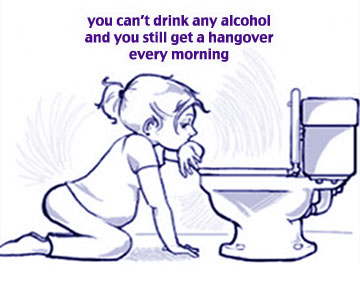
    Morning sickness has long been believed to be a sign of a healthy pregnancy and is linked to a lower miscarriage rate. There is some evidence that pregnancies affected by morning sickness do better than pregnancies in which there is no nausea at all. As you?re hunched over the toilet bowl, you can cling to that knowledge and maybe it will make you feel a little better.

    The cause of the nausea and vomiting during pregnancy remains unknown, although it appears to be related to the production of pregnancy hormones, particularly HCG (human chorionic gonadotrophin) and also high levels of estrogen. Other possible causes include fluctuations in blood pressure, rapid lowering of blood sugar levels, carrying multiple babies, emotional stress, an enhanced sense of smell, excess acid in the stomach and a high-fat diet.

    In most cases, morning sickness won?t harm you or your unborn baby. However, morning sickness can become more of a problem if you can’t keep any food or fluids down and begin to lose a lot of weight. Should your vomiting become severe, you should notify your doctor or midwife if you are unable to keep anything down for 24 hours. This degree of vomiting may require IV hydration. The most severe morning sickness is called hyperemesis gravidarum, which sometimes requires hospitalization.

    Women that experience morning sickness are likely very interested in finding ways to cope with it and minimize the nausea. There is no single guaranteed remedy for morning sickness, but there are a few things you can try.

    More Articles on Morning Sickness