Author: PL Team

  • Morning Sickness

    Morning Sickness

    Nausea and morning sickness is common in early pregnancy, typically beginning about 3-4 weeks after conception and diminishing later in pregnancy, usually by the start of the second trimester. Some women continue to experience morning sickness well into their second trimester and even beyond. Despite its common name, morning sickness can occur at any time of the day, although it tends to be the worst early in the day.

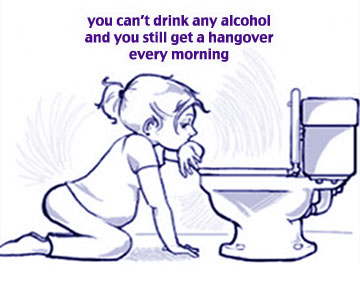
    Morning sickness has long been believed to be a sign of a healthy pregnancy and is linked to a lower miscarriage rate. There is some evidence that pregnancies affected by morning sickness do better than pregnancies in which there is no nausea at all. As you?re hunched over the toilet bowl, you can cling to that knowledge and maybe it will make you feel a little better.

    The cause of the nausea and vomiting during pregnancy remains unknown, although it appears to be related to the production of pregnancy hormones, particularly HCG (human chorionic gonadotrophin) and also high levels of estrogen. Other possible causes include fluctuations in blood pressure, rapid lowering of blood sugar levels, carrying multiple babies, emotional stress, an enhanced sense of smell, excess acid in the stomach and a high-fat diet.

    In most cases, morning sickness won?t harm you or your unborn baby. However, morning sickness can become more of a problem if you can’t keep any food or fluids down and begin to lose a lot of weight. Should your vomiting become severe, you should notify your doctor or midwife if you are unable to keep anything down for 24 hours. This degree of vomiting may require IV hydration. The most severe morning sickness is called hyperemesis gravidarum, which sometimes requires hospitalization.

    Women that experience morning sickness are likely very interested in finding ways to cope with it and minimize the nausea. There is no single guaranteed remedy for morning sickness, but there are a few things you can try.

    More Articles on Morning Sickness

  • Adoption Options

    Adoption Options

    There are technically three basic adoption options for birthmothers to choose from: confidential (or closed) adoption, mediated (or semi-open) adoption and fully disclosed (or open) adoption. These options are categorized by the different degrees of openness achieved, as well as the amount of information exchanged between the birthparents and the adoptive parents. Many birthmothers like the freedom of being able to choose one of these adoption options because it gives them more flexibility and control over their situation. The decision is completely the birthmother’s to make, depending on which option she is the most comfortable with. No matter which option the birthmother chooses, it’s important to remember that all varieties of adoption- whether closed, semi-open or open- are permanent.

    Closed Adoption

    A closed adoption refers to a confidential adoption process where the identities of the birthparents and the adoptive parents may not be shared. No identifying information such as names, addresses or phone numbers is exchanged between families, but limited non-identifying information such as physical characteristics and medical history may be provided to both parties. There is no contact between the birthparents and the adoptive parents before or after placement and no on-going information of the child is shared. In a closed adoption, the birthmother generally doesn’t choose the adoptive parents and relies on the experience of the adoption professional to select the best adoptive parents.

    Semi-open Adoption

    A semi-open adoption refers to an adoption process where some limited identifying information may be shared between the birthparents and the adoptive parents, such as first names, possibly pictures and letters following the birth and sometimes gifts. Information is usually shared through a mediator (adoption agency personnel or attorney) rather than direct contact between the two parties. Sometimes, birthparents and adoptive parents may meet face-to-face, usually before the delivery or at the hospital. There is no direct contact after placement. Semi-open adoption makes it possible for the birthmother to play an active role in choosing the adoptive parents.

    Open Adoption

    An open adoption refers to an adoption process where full disclosure of identifying information between the birthparents and the adoptive parents are shared and there are no limits placed on how much can be exchanged, as long as it is mutually agreed upon. In open adoption, the birthmother can select the adoptive parents from a group of screened families. Many times, the two parties have direct contact and develop a trusting relationship. The birthparents and adoptive parents may communicate with each other by telephone calls, letters and are often encouraged to meet in person. On-going contact may occur after placement including letters, photographs, e-mails, phone calls and sometimes even actual visits. Adoption professionals generally moderate the degree of openness between the two parties, based upon their mutual wishes and what works for them. The level of openness should be decided on a case-by-case basis and the birthparents need to understand that both parties must agree on the level of on-going communication between them post-placement, although the agreement isn’t legally binding.

  • Your Pregnancy Week by Week

    pregnancy week by week
    It is important that you know how your pregnancy is going which is why we put our pregnancy week by week guide together for our readers. Find sections broken down for baby and expectant mom. If you think you may be pregnant, take an extra dose of folic acid as it can help prevent birth defects.

    Take a look at what you are eating and focus on your nutrition as a pregnancy takes a lot out of you. What you eat does help your baby grow. So it only makes sense to eat healthy to keep your baby healthy. You are eating for two and although you should not double your food intake or calories, you should add 300 calories into your diet after the third month of pregnancy.

    Start reducing caffeine if you are a coffee drinker or soda pop junkie as soon as you realize you are pregnant. In fact, reducing caffeine before you plan to get pregnant is even better for your baby.  Many start prenatal vitamins to get their body ready to make the body stronger for pregnancy.

    Pregnancy Week by Week

    Find symptoms, fetal development and body changes in pregnancy, broken down by week.

    Week 1 .::. Week 2 .::. Week 3 .::. Week 4 .::. Week 5
    Week 6 .::. Week 7 .::. Week 8 .::. Week 9 .::. Week 10
    Week 11 .::. Week 12 .::. Week 13 .::. Week 14 .::. Week 15
    Week 16 .::. Week 17 .::. Week 18 .::. Week 19 .::. Week 20
    Week 21 .::. Week 22 .::. Week 23 .::. Week 24 .::. Week 25
    Week 26 .::. Week 27 .::. Week 28 .::. Week 29 .::. Week 30
    Week 31 .::. Week 32 .::. Week 33 .::. Week 34 .::. Week 35
    Week 36 .::. Week 37 .::. Week 38 .::. Week 39 .::. Week 40

  • Pregnancy Due Date Calculator

    If you’re in need of an ovulation predictor or pregnancy due date calculator, we’ve got you covered. Just enter the date of your last menstrual period to calculate either. A baby can be born within two weeks on either side of the due date to be considered on time.

    Please select the first day of your last menstrual period:

    Usual number of days in your cycle: