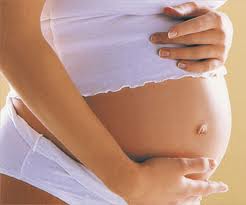
Tag: pregnant

  • Pregnancy Stretch Marks and Skin

    Pregnancy Stretch Marks and Skin

    In pregnancy, your skin may begin to change right before your eyes. These changes are a very common and usually an expected part of pregnancy, although not every woman will experience all the same skin changes. Most skin changes during pregnancy can be blamed on the effects of various hormones. These ever-fluctuating pregnancy hormones can do some strange things to your skin, but most changes are not permanent and they tend to disappear within a few months after you give birth, although they generally come back in subsequent pregnancies. Except for affecting your appearance cosmetically, most common skin changes don’t harm you or your unborn baby in any way.

    Pregnancy Stretch Marks

    Stretch marks. We’ve all heard of them and we’ve all hoped they wouldn’t strike us during pregnancy, but the fact is 50- 90% of pregnant women are affected by them to some extent. Most appear on the abdomen, breasts, hips and thighs during the second and third trimesters. Keep your weight gain within the recommended range, apply a nourishing lotion to your stretching skin daily to keep it well moisturized and eat a sensible, well-balanced diet, as well as drink plenty of water to help keep your skin as healthy as possible.

    Pregnancy Glow

    One of the few desirable changes that may occur to your skin during pregnancy is often called, “the glow of pregnancy”. Friends and family (and complete strangers) may comment on it, while you may not even notice the difference. Hormonal changes and increased blood circulation tend to make your oil glands work overtime, causing your face to appear shinier than normal, as well as make your cheeks look rosier.

    Skin and Hormones

    There are a few less desirable skin changes you can expect during pregnancy. Hormonal changes are also responsible for the unwelcome and very aggravating change of pimple outbreaks (those oil glands working overtime). However, depending on your hormones and skin condition, you may not suffer from this problem at all. Occasionally, long-term acne conditions may actually clear up during pregnancy, if you are lucky. If you become bothered with acne breakouts, keep a strict cleansing routine, by washing your face twice a day (more often can lead to dry skin) with a mild over-the-counter cleanser. Stay away from medicated acne creams or scrubs, without checking with your doctor or midwife first, because some may contain substances that are not recommended for pregnant women.

    Skin Itching in Pregnancy

    Itchiness and dryness is a common problem during pregnancy, particularly in relation to your growing belly and breasts. The skin across your abdomen may become very itchy as it stretches and tightens, as well as your breasts as they enlarge. You may also find that your palms and/or soles are red and itchy, which is likely caused from higher estrogen levels. Try to avoid scratching, which may only aggravate the problem and make it worse. Instead, moisturize with lotion and avoid hot showers and baths (which you should already be avoiding during pregnancy). A warm oatmeal bath may help alleviate some of discomfort, if it becomes unbearable. You can buy pre-mixed oatmeal bath preparations at many drugstores. If you have bothersome itching that doesn’t go away or becomes worse, contact your doctor or midwife to make sure there’s not an underlying medical problem causing your symptoms.

    Rashes

    Sometimes during the last 1-2 months of pregnancy, women experience red, itchy, pimply skin eruptions. This is a common skin condition called “pruritic urticarial papules and plaques of pregnancy” or PUPPP for short, which occurs in about one in every 150 pregnancies. It usually begins on the abdomen and spreads to the thighs, upper arms and sometimes the buttocks, but thankfully never the face. PUPPP is not harmful to you or your baby and will disappear after you give birth, although it can reappear in subsequent pregnancies, though it generally only appears during first pregnancies. Your doctor or midwife will most likely prescribe a topical anti-itch ointment or possibly an oral medication to help alleviate the intense itchiness.

    Pregnancy Mask

    Sometimes during the second trimester of pregnancy, women develop chloasma or “the mask of pregnancy”. Chloasma generally appears as irregular brown patches on your face. They are most common on the forehead, cheekbones, nose and chin, as a result of increased pigmentation caused by those wonderful pregnancy hormones at work once again. The good news is: they gradually will fade after delivery. There”s not a whole lot you can do to prevent Chloasma, but wearing a good sunscreen and avoiding direct sunlight can help keep your skin from producing even darker pigmentation. Concealing makeup applied to your face can help even out facial tones. If any changes in skin pigmentation are accompanied by pain, tenderness or redness or if you notice any changes in the color or size of a mole, don’t hesitate to let your doctor or midwife know immediately.

    Linea Nigra

    During the last half of pregnancy, you may notice a dark line running down the middle of your belly from the top to the bottom. This is common and is called the “linea nigra”. This line is normally there, but those wacky pregnancy hormones tend to darken this line, making it more noticeable. Thankfully, it will fade back to normal after delivery.

  • Pregnancy and Hair

    Pregnancy and Hair

    pregnancy hairHair changes during pregnancy are common, although some women don’t notice any obvious changes at all. Some women notice changes beyond their growing belly and various aches and pains, including changes in their hair.


    Changes in hair when pregnant can vary widely, some good and some not-so-good. Some fortunate women experience more luxurious pregnancy hair that looks much fuller, thicker and shinier than before, while others may have undesirable changes including hair that appears thinner, more greasy, drier or more brittle. These affects are caused by an increase in the hormone estrogen, as well as increased circulation and blood supply to all areas of the body. In addition, prenatal vitamins help increase the health of your hair and may be contributing to your thicker, shinier mane.

    Hair Loss

    One major hair complaint in pregnancy is hair loss. Hair loss during pregnancy may be due to hormonal problems, including an overactive or underactive thyroid or a vitamin and mineral deficiency. Hair loss is common during pregnancy and even more so after delivery. The most common time related to pregnancy for hair loss is approximately three months after delivery. This shedding is called “telogen effluvium” and typically lasts less than 6 months, although the duration for hair to return to it’s normal pre-pregnancy density can be affected by many factors including breastfeeding, long-term stress as well as blood loss during delivery. Telogen effluvium affects somewhere between 40- 50% of pregnant women. Genetic thinning may be triggered or heightened after delivery and can result in a slow-thinning of the front hairline. Most hormonal changes that cause hair loss during pregnancy often resolves themselves as the body returns to pre-pregnancy hormone levels.

    Healthy Hair

    You don’t have to wait until after your new little one is born to have a healthier head of hair. There are a number of things you can do to improve your hair’s condition as well as reduce the extent of damage and hair loss. Taking your prenatal vitamins daily, eating a healthy, well-balanced diet and drinking plenty of water (at least eight 8-ounce glasses per day) may be your best line of defense. For problems with dry hair, use a stronger conditioner and do deep-conditioning often. If your hair is brittle you may want to stay away from the hair dryer and allow it to simply air dry. If you must blow dry your hair or use other heated instruments, use a cooler or lower setting. If your hair is extra greasy, use a mild shampoo and wash it more frequently to get rid of excess oil. Avoid wearing your hair in ponytails, pigtails or braiding it, because it may pull your hair and place added stress on it, causing breakage. Wait until after delivery before perming and coloring your hair if you possibly can, which can damage your hair even further, on top of possibly causing harm to your unborn baby (especially during the first trimester).

    Hair Growth

    Increased hair growth and thickening may happen on parts of the body other than the head during pregnancy, including the face, arms, legs and even on the abdomen. Body hair in typically male-only spots is called, “Hirsutism” and tends to disappear within 6 months of delivery, although some may hang around longer. To be on the safe side, avoid using depilatories or bleach creams during pregnancy, since they work by using strong chemicals which may not react well with your skin and may also possibly seep into your skin; being absorbed into your bloodstream. There haven’t been any studies to show whether these creams are safe or not, which labels them as category C drugs and therefore it’s wise to steer clear of them until after delivery. Plucking and shaving may be your only good options during pregnancy.

  • Dealing with Postpartum Depression

    Having a baby is supposed to be a thrilling and exciting time, but for many women it can also be a time of fear, stress and even depression. After giving birth, many women (as many as 80% of new mothers) experience a week or two of “baby blues,” marked by mood swings, mild depression, and bouts of unexplained crying, but these feelings typically disappear quickly. Postpartum depression, on the other hand can be described as on-going or worsening intense feelings of sadness, restlessness, irritability or being consistently exhausted and unable to function. Up to 15- 30% of new mothers experience full-blown postpartum depression after delivery, which can last as briefly as 2 weeks, but as long as over a year.

    Common symptoms of postpartum depression include: constant or worsening feelings of worthlessness, helplessness or hopelessness, crying more than usual, lack of interest (or over interest) in baby or caring for baby, being unable to function, extreme exhaustion and sleeping too much (or too little), feelings of being overwhelmed or unable to cope, change in eating habits (not eating or overeating), change in weight, as well as loss of interest or pleasure in activities including sex. Also, being unable to make decisions, trouble focusing, feeling out of control or unusual feelings of rage and feelings of wanting life back the way it was before baby are common symptoms of postpartum depression. Frightening thoughts of suicide or harming baby and fear of being alone with baby that won’t go away are more serious symptoms, which a woman should seek help for immediately.

    << click for the rest of the article on postpartum depression >>

    Depression During Pregnancy
    Postpartum Depression
    Depression After Delivery

  • Pregnancy Weight Gain

    Pregnancy Weight Gain

    The appropriate weight gain during pregnancy depends on several factors, including your height, your age and how much you weighed before you conceived. Typically, if you are average or “normal” weight before becoming pregnant, it’s recommended that you gain between 25-35 pounds; about 2-5 pounds during the first trimester and approximately 1 pound per week after that.

    What is a healthy weight gain for pregnancy?

    If you are underweight before becoming pregnant, it’s recommended that you gain a bit more weight: between 28-40 pounds preferably (depending on the severity of the weight problem). If you are overweight before becoming pregnant, it’d recommended that your total weight gain be a bit less; between 15-25 pounds.

    If you are pregnant with multiples, you will need to gain more weight, depending on the number of babies you are carrying (approximately 35-50 pounds with twins). Weight gain during pregnancy should be gradual with the most weight being gained in the last trimester, although some women notice their weight gain slowing or possibly a slight weight loss just prior to delivery.

    Check with your doctor or midwife to determine how much weight gain is healthy for you. Remember, a proper diet and adequate weight gain during pregnancy is essential for your health and optimum development your baby.

    Inadequate weight gain can cause problems to your baby such as prematurity and low birth weight. Excessive weight gain can lead to a larger baby, which can complicate the birth process, cause certain health complications during pregnancy and may be difficult to lose after delivery. During pregnancy, weight gain can be broken down to: increased blood: 3-4 pounds, breast tissue: 1-2 pounds, uterine muscle: 2- 2 1/2 pounds, baby: 6- 8 1/2 pounds, placenta: 1 1/2- 2 pounds, amniotic fluid: 2 pounds, maternal fat stores: 7-8 pounds and water in maternal tissue: 4 pounds. What are these little bumps that have appeared around my nipples?

    Those little bumps that surround your nipples (on the dark area called the areola) are quite normal and are called Montgomery glands or, “Montgomery’s tubercles”. They have always been present, but during pregnancy, they tend to enlarge and become much more pronounced, typically first appearing during the first trimester. They become more prominent and swell as pregnancy progresses. They can vary greatly in number, averaging between 4 and 28 per areola. These bumps are glands that produce oils that lubricate your nipples, as well as discourage bacterial growth during breastfeeding. The lubrication they create helps to keep the skin around your nipples healthy and elastic. Using soap to wash them can remove these protective oils and even lead to cracked and sore nipples during breastfeeding.

    Is it safe to continue using tanning beds throughout pregnancy?

    The rays emitted by the bulbs in tanning beds are just as safe as the rays of the sun. Exposure to ultraviolet radiation (from a tanning bed or direct sunlight) can prematurely age your skin and heighten your risk of developing skin cancer. Sun exposure can also increase your risk of developing (or intensify) Chloasma or, “the mask of pregnancy”, which is brown patches that appear on your face. It’s believed that the UV light used in tanning beds doesn’t reach far enough into the body to harm a developing baby, but anything that raises your core body temperature should be avoided. Overheating can harm your baby, particularly in the first trimester, when most major organs and structures are forming. UV rays have also been associated with folic acid deficiency, which can lead to neural tube defects. If you must tan, stay in for short periods of time, drink plenty of water and make sure the room is well ventilated. Consider using a spray bottle filled with water, during your tanning session to keep you cool. Get out of the tanning bed before you become hot.

    Menstrual Periods, Drinking and Hair Dye
    Cats, Ultrasounds and First Movements
    Fish, Exercising and Sleep
    Sex, Cesarean and Back Labor
    Tanning Beds, Weight Gain and Areola Changes
    Castor Oil, Smaller Shoes and Nesting Instincts
    First Prenatal Visit

  • Pregnancy Articles

    Pregnancy can be confusing, so we put together a few articles to help you along the way. Enjoy!

    Lower Risks of SiDS

    Although SIDS is still a concern for parents, they can now equip themselves and their babies with knowledge to help lower risk factors thanks to the many studies and reports that are now out about SIDS.

    • Don’t put too many layers on your baby to prevent overheating.
    • Never put your baby on his or her back, but instead place on the side or back.
    • Choose breast feeding over bottle feeding.
    • Remove all items from the crib to provide a safe sleeping environment.
    • Don’t smoke while pregnant or around baby after birth.

    Read our article on, SIDS, Should I Be Worried

    Nails in Pregnancy

    In pregnancy, hair and nail changes can occur but don’t fret. If your nails are brittle or tear more easily in pregnancy, they will return to normal after you give birth. In my case, I had stronger nails due to the extra hormones when pregnant. Every pregnant woman is different. Read more on, Nails and Pregnancy

    More Pregnancy Articles

    Travel When Pregnant
    Bedrest in Pregnancy
    Nutrition and Diet
    Doulas and their Role
    Skin Changes
    Are Tanning Beds OK
    Hair Changes

  • Pregnancy Tanning

    Pregnancy Tanning

    tanning-pregnancyIf you are pregnant, you may be wondering if tanning during pregnancy is safe for your unborn baby. You may dread the thought of looking pale especially if you are used to seeing a sun glow when you look in the mirror.


    Regardless of whether you are pregnant or not, there are many considerations to keep in mind regarding exposure to ultraviolet radiation (UVR). Exposure to too much sunlight and UVR can age your skin prematurely (causing wrinkles and age spots) and increase your risk of developing skin cancer.

    Even without tanning, some pregnant women experience something commonly known as “the mask of pregnancy” or Chloasma, which appears as irregular brown patches on the face. This is caused by increased pigmentation due to hormones which rise during pregnancy. Sun exposure and tanning increases the risk that it will appear. If you have already developed Chloasma, using tanning beds or basking in the sun can make your skin produce even darker pigmentation, intensifying those unsightly dark patches. To avoid Chloasma, sun block and shade are your best bets.

    Tanning Beds

    All that said, in pregnancy tanning inside with a tanning bed is just as safe as tanning outside in the direct sunlight. Although the rays emitted by the bulbs in tanning beds can be as dangerous as the rays of the sun to skin tissues, those rays don’t penetrate far enough into the body to harm a developing baby. Even though there is no evidence that the UV light used in tanning beds reach the baby, there is still some controversy about tanning during pregnancy. Many doctors and midwives advise against using tanning beds (also exposure to the natural sun), while others recommend they be used with caution.

    Anything that will raise your core body temperature, such as hot tubs, saunas and tanning beds can be harmful to your unborn baby, including general over-exposure to the sun. Overheating (also called hyperthermia), particularly during the first trimester, can result in developmental damage to your baby, including spinal malformations. In addition, some studies have found a possible link between UV rays and folic acid deficiency, which is especially critical during the first trimester of pregnancy. Folic acid is responsible for preventing neural tube defects, such as spina bifida. In addition, the heat produced from indoor as well as outdoor tanning can affect breast milk production because of the loss of fluids through perspiration.

    Tanning Precautions

    If you still feel that you must tan, there are some very important precautions you should follow. If you are going to use a tanning bed, consider shorter durations to prevent overheating, as well as burning. During pregnancy, your skin’s sensitivity to burning may be increased, so you should start with short sessions until your body is tanned. Stay cool and drink plenty of fluids to prevent light-headedness and dehydration, whether indoors or outdoors. If you are using a tanning bed, make sure there is adequate ventilation in the tanning room and if you get uncomfortable or start to feel too warm, then get out, whether your session is over or not.

    Self-tanning products such as lotions, foams and creams may be safer to use to acquire that Summer glow, but some doctors and midwives recommend avoiding them also. Many creams and lotions are absorbed through the skin, and may even cross through the placenta to the baby. The main concern is whether the active ingredient in self-tanning products, dihydorxyacetone (DHA) is able to penetrate the skin. Studies do not confirm that it can, but some doctors and midwives encourage women to wait until after the first trimester, just to play it safe. Check with your doctor or midwife for the latest research about tanning during pregnancy and also before using any type of self-tanning products.

  • Is it Safe to Use a Tanning Bed While Pregnant

    Is it Safe to Use a Tanning Bed While Pregnant

    tanning bed while pregnantIf you are pregnant, you may be wondering if tanning while pregnant is safe for your unborn baby. You may dread the thought of looking pale especially if you are used to seeing a sun glow when you look in the mirror.
    Regardless of whether you are pregnant or not, there are many considerations to keep in mind regarding exposure to ultraviolet radiation (UVR). Exposure to too much sunlight and UVR can age your skin prematurely (causing wrinkles and age spots) and increase your risk of developing skin cancer.

    Even without tanning, some pregnant women experience something commonly known as “the mask of pregnancy” or Chloasma, which appears as irregular brown patches on the face. This is caused by increased pigmentation due to hormones which rise during pregnancy. Sun exposure and tanning increases the risk that it will appear. If you have already developed Chloasma, using tanning beds or basking in the sun can make your skin produce even darker pigmentation, intensifying those unsightly dark patches. To avoid Chloasma, sun block and shade are your best bets.

    Tanning Beds

    All that said, in pregnancy tanning inside with a tanning bed is just as safe as tanning outside in the direct sunlight. Although the rays emitted by the bulbs in tanning beds can be as dangerous as the rays of the sun to skin tissues, those rays don’t penetrate far enough into the body to harm a developing baby. Even though there is no evidence that the UV light used in tanning beds reach the baby, there is still some controversy about tanning during pregnancy. Many doctors and midwives advise against using tanning beds (also exposure to the natural sun), while others recommend they be used with caution.

    Anything that will raise your core body temperature, such as hot tubs, saunas and tanning beds can be harmful to your unborn baby, including general over-exposure to the sun. Overheating (also called hyperthermia), particularly during the first trimester, can result in developmental damage to your baby, including spinal malformations. In addition, some studies have found a possible link between UV rays and folic acid deficiency, which is especially critical during the first trimester of pregnancy. Folic acid is responsible for preventing neural tube defects, such as spina bifida. In addition, the heat produced from indoor as well as outdoor tanning can affect breast milk production because of the loss of fluids through perspiration.

    Tanning Precautions

    If you still feel that you must tan, there are some very important precautions you should follow. If you are going to use a tanning bed, consider shorter durations to prevent overheating, as well as burning. During pregnancy, your skin’s sensitivity to burning may be increased, so you should start with short sessions until your body is tanned. Stay cool and drink plenty of fluids to prevent light-headedness and dehydration, whether indoors or outdoors. If you are using a tanning bed, make sure there is adequate ventilation in the tanning room and if you get uncomfortable or start to feel too warm, then get out, whether your session is over or not.

    Self-tanning products such as lotions, foams and creams may be safer to use to acquire that Summer glow, but some doctors and midwives recommend avoiding them also. Many creams and lotions are absorbed through the skin, and may even cross through the placenta to the baby. The main concern is whether the active ingredient in self-tanning products, dihydorxyacetone (DHA) is able to penetrate the skin. Studies do not confirm that it can, but some doctors and midwives encourage women to wait until after the first trimester, just to play it safe. Check with your doctor or midwife for the latest research about tanning during pregnancy and also before using any type of self-tanning products. A tanning bed while pregnant may or may not be a good idea.

  • Pregnancy Answers – FAQs

    Pregnancy Answers – FAQs

    There’s no conclusive evidence that indicates whether or not hair dye is a risk during pregnancy. Generally, pregnant women are advised against using hair dyes while pregnant, or at least during the first trimester when the baby’s organs are being formed and many neurological developments are taking place. Pregnant women are typically advised to stay clear of any chemicals or fumes, so if you choose to dye your hair, make sure you are in a well-ventilated room and always use gloves. Or, to be even more cautious, highlight your hair instead of fully coloring it. This way, the chemicals won’t come in contact with your scalp (because you apply the dye 1/2- 1 inch from your roots) and can’t get into your bloodstream.

    Can You Have Menstrual Periods During Pregnancy?

    Menstrual periods cannot happen during pregnancy. The cycling of your hormones stops because during pregnancy your hormone levels remain high, which is necessary for the pregnancy to continue. There are no major drops in these certain hormones (estrogen and progesterone) which would cause a period to occur. They are continuously produced, preventing the shedding of the uterine lining. Some women may appear to have light periods during pregnancy, especially during the first trimester, although the spotting or bleeding is caused by a different factor. Close to one percent of women have some abnormal bleeding early in pregnancy, often mistaken for a period. In half the cases, the bleeding stops and the pregnancy continues with no additional bleeding problems. Likely causes of bleeding in the first trimester include: threatened miscarriage, ectopic pregnancy, a subchorionic hemorrhage and polyps on the cervix. Later in pregnancy, bleeding can be caused from placental problems or premature labor. If you experience any bleeding, you should notify your doctor or midwife immediately.

    Can a Few Drinks Before I Knew I Was Pregnant Affect My Baby?

    Don’t be alarmed if you had a drink or two before you found out you were pregnant, because it’s unlikely that it caused harm to your unborn baby, however, it’s very important to stop drinking as soon as you suspect you may be pregnant. No amount of alcohol is proven safe and continued drinking will cause a variety of problems for your baby including fetal alcohol syndrome (FAS), prematurity, low birth weight, mental retardation and other abnormalities. Be careful for the remainder of your pregnancy and focus on staying as healthy as you can from now on.

    Menstrual Periods, Drinking and Hair Dye
    Cats, Ultrasounds and First Movements
    Fish, Exercising and Sleep
    Sex, Cesarean and Back Labor
    Tanning Beds, Weight Gain and Areola Changes
    Castor Oil, Smaller Shoes and Nesting Instincts
    First Prenatal Visit

  • Pregnancy Nails

    Pregnancy Nails

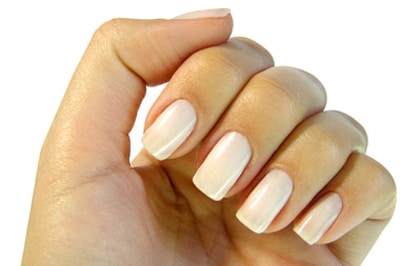
    pregnancy nailsNails, like just about every other part of a woman’s body tend to change during pregnancy. Many women notice that their fingernails and toenails change sometimes for the better, but sometimes for the worst. Some changes you may like, some you won’t. Every woman is different and most nail changes (or the lack of nail changes) during pregnancy are normal. Nails typically return to normal after delivery or when you stop breastfeeding.

    Due to extra pregnancy hormones (as well as prenatal vitamins and a generally healthier diet), your nails may grow faster, longer in length and become stronger when you are expecting. On the downside, some women experience softer, brittle pregnancy nails that peel, split and break more easily and sometimes develop rough surfaces.

    If your nails split and tear more easily when you’re pregnant, keep them short and well-trimmed. Nails should be cut straight across and rounded slightly at the tip for maximum strength. If you’ve always loved your long nails, it may help to remind yourself that shorter nails make it easier to care for and caress the sensitive skin of your baby.

    Avoid the chemicals in nail polish and nail polish remover. Using nail polish may damage your nails and make them much worse. A recent study has shown that certain chemicals that are commonly found in nail polish and removers (such as methyl methacrylate and acetonitrile) are dangerous and can cause numerous health problems including skin irritation, rashes and even poisoning. Not all nail polish and polish removers contains these harmful chemicals; you can find some that contain only natural ingredients and are biodegradable. Another downside to polish is that it prevents your nails from breathing. If you must use an acetone-containing polish remover, be sure to do your nails outside or at least in a well-ventilated room, because of the harmful fumes.

    The single most important thing you can do for your nails is to eat right and take your prenatal vitamins every day. Taking a good-quality, prenatal vitamin supplement is wonderful for the nails because they have such a high-nutrient density. Protein is the key nutrient needed for encouraging nail growth; a handful of almonds or cashews daily are excellent providers.

    Other things you can do to protect your nails are: wear rubber gloves when washing dishes (or anytime you’re working with water), gardening and when working with detergents or cleansers, moisturize your nails by applying lotion or cream at bedtime and avoid chemical-based cuticle softeners, instead use natural oils such as emu oil. Also, never remove your cuticle, because it may allow a painful and unsightly infection to develop. If your nails are yellow or discolored, soak them for a few minutes in pure lemon juice (wait for cuts to heal, otherwise the juice will sting), followed by a soak in olive oil. If you notice any swelling or pain associated with your nail changes, report it to your doctor, midwife or dermatologist.

  • Pregnancy Headaches

    Pregnancy Headaches

    Headaches while pregnant are common and begin at about the 6th week. A quick nap can help prevent headaches while pregnant. Preeclampsia or toxemia can begin with headache and can be dangerous to a pregnant woman. If you are pregnant and get headaches that don’t go away when resting, check with your doctor and make sure you share that information with him at your next visit.

    Spotting

    Spotting is common in early pregnancy. Some women report what seems to be a short light period before the onset of other symptoms. This may be implantation bleeding and not a menstrual period at all (when the egg implants itself into the lining of the uterus). If you are pregnant and you experience spotting check in with your doctor as spotting is also an indicator of miscarriage.

    Light Headedness

    Some pregnant women experience actual fainting and light headedness during early pregnancy.

    Constipation

    Hormonal changes can affect the digestive system and cause constipation. Drinking plenty of water and exercising can help. A pregnant woman should ask her doctor for recommended exercises while pregnant.

    Heartburn

    Heartburn in pregnancy can be symptom in months 1-9. In months 1-4, heartburn is caused by hormonal changes. In months 5-9, the baby can cause pressure on a pregnant woman’s organs. Eating frequent smaller meals and remaining in an upright position at least an hour after eating can help.

    more Pregnancy Symptoms

  • Pregnancy Tests

    Pregnancy Tests

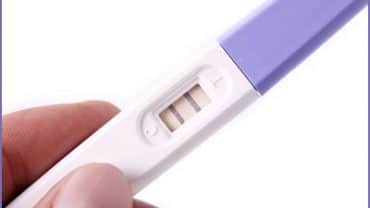
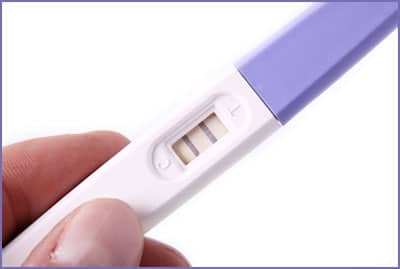
    Most at home early pregnancy tests allow you to read the result as soon as 2-3 minutes after taking the test, but many have time limits- meaning not to read the result after a specified length of time. The accuracy of home pregnancy tests depends on how closely you follow the instructions. If you do a home pregnancy test four to seven days after your missed period, it will be positive 95 percent of the time (assuming you are pregnant).

    How an Early Pregnancy Test Works

    About four days after conception, the fertilized egg begins to produce a hormone called human chorionic gonadotropin (or hCG for short). One of the first tasks of this hormone is to notify the ovaries that you are pregnant and no more ovulations are needed for a long time. The signal also directs the ovary to help retain the endometrium (the uterine lining) and prevent your menstrual period, which would expel the newly-attached embryo from your uterus.

    Human chorionic gonadutropin (hCG) can be detected first in your blood and shortly thereafter in your urine. Most tests can tell you if you’re pregnant as early as the first day of your missed period (about 14 days after conception) or even earlier. The tests were created to detect the presence of hCG in your urine. If there is hCG detected in your urine, it reacts with the chemicals on the test strip to create a “+” sign or a second line in the result window (depending on what brand of test you use). Remember, whether the makers of the test claim you can take the test any time of the day, first- morning urine always contains the highest concentration of hCG.

    The major drawback with home pregnancy tests is that when done in the early days of pregnancy, sometimes it will indicate you’re not pregnant, when in fact you are. This can occur because levels of hCG are low in early pregnancy and can go undetected. For this reason, test results that indicate you are not pregnant are more often wrong than test results that indicate you are pregnant.

    Home pregnancy tests are not designed to take the place of a consultation with your doctor. They should be considered screening tests only. If your test result is negative, but your period is late and you have symptoms of pregnancy, consult your health care provider. If your result is positive, make an appointment with your doctor for confirmation and a complete prenatal check-up.

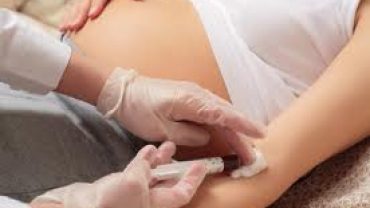
    Blood pregnancy tests are very accurate and can detect the presence of hCG as early as one week after conception. They can also be helpful in determining how far along you are by measuring the exact amount of hCG in your blood, since the levels tend to double about every two days in early pregnancy.

  • Maternal Serum Alpha-Fetoprotein (MSAFP) Test

    Maternal Serum Alpha-Fetoprotein (MSAFP) Test

    This is a blood test which measures the level of alpha-fetoprotein (AFP) in your blood. It’s designed to indicate an increased risk for fetal open neural tube defects, such as spina bifida and may also indicate an increased risk for Down syndrome.

    With the MSAFP Test there is a possibility of a “false negative” as well as a “false positive”, since no screening test is perfect.

    This test is usually done between the 16th and 18th week of pregnancy.

    More Tests

    Amniocentesis
    Chorionic Villus Sampling (CVS)
    Contraction Stress test (CST)
    Glucose Tolerance Testing
    Hemoglobin Test
    Non-Stress (NST) Test
    Rh Factor
    Triple Screen Test
    Ultrasound