Blog

  • 6 Advantages of Bottle-feeding

    Bottle-feeding is best when you are advised not to breastfeed because of either your health or the health of your baby. Such health concerns are include serious infections, illnesses or certain medications taken by the mother, abnormal shape of your newborn’s mouth (such as cleft lip or cleft palate), which would make it difficult for your baby to latch on, and rare disorders in your newborn that make digesting breast milk practically impossible.

    • Bottle-feeding doesn’t tie the mother down to her baby. She’s able to work outside the home, shop, go out with friends and even sleep through the night (sometimes), because someone else can feed the baby. Although expressing milk with a breast-pump can enable others to take over some feedings.
    • Bottle-feeding allows the father to share the feeding responsibilities more easily and not feel left out.
    • Bottle-feeding doesn’t interfere with a couple’s sex life (except, of course, when the baby wakes up for a feeding at the wrong time). Breastfeeding can, because the lactation hormones can make the vagina dry and also leaky breasts during lovemaking can be a turn-off for some couples.
    • Bottle-feeding doesn’t cramp your diet or eating habits. You can eat all the garlic, spicy foods and cabbage you want! Whereas with breastfeeding, you are really still eating for two, just as you were during pregnancy, so you still need to continue eating nutritiously.
    • Bottle-feeding may be more preferable for a woman who is more comfortable bottle-feeding than breastfeeding their baby in public. Some women feel squeamish about the possibility of nursing in public and some feel it would be too embarrassing.
    • With bottle-feeding, you can see exactly how much milk your baby has taken, but with breastfeeding, you are merely guessing by how long your baby has nursed & how many wet diapers you have changed.
  • Sweden Wants More Maternity Leave for Fathers

    Sweden Wants More Maternity Leave for Fathers

    It’s news to me that Sweden offers new fathers maternity leave for as long as 240 days with a paycheck backed by the government. What’s even more of a surprise to me is that the law has been in effect since 1974 so that fathers and mothers can share bonding with their children during their early years. If a father doesn’t want to take the leave from work, he has to take at least two months off in order to receive that government check.


    This news takes us to today, where Sweden’s government is asking if that is enough time off and the debate is on. The issues arising from the suggestion of an additional month of leave for fathers is that they should not be forced to take it, it should not be mandatory.

    State-sponsored parental leave is arguably more generous in Sweden than anywhere else. Parents are entitled to a total of 480 days paid leave per child, with both mothers and fathers entitled and encouraged to share the leave. The leave can be taken at any time until the child reaches the age of seven.

  • Kelsey Grammer and Wife Kayte Welcome a Daughter

    Kelsey Grammer and Wife Kayte Welcome a Daughter

    Kayte and Kelsey Grammer welcomed a baby girl on Friday, July 13th in LA.

    Shortly after announcing that they were expecting twins, the couple lost the little boy and in 2010 they also lost a child.

    In a statement from the couple, “A glorious birth with a lingering sadness is ours today. We choose to celebrate the life that has been given us. We proudly introduce our Faith to the world today looking forward to the days ahead and the children yet to come.”

    Congratulations to Kayte and Kelsey.

  • International Travel in Pregnancy

    International Travel in Pregnancy

    If traveling internationally here are some pregnancy tips and guidelines to go by. A pregnant woman may be exposed to infectious diseases, just like any other traveler. If you are pregnant, you must take additional special precautions when planning a trip to a remote area or developing country to protect yourself as well as your unborn baby from disease and illness.


    Plan Your Trip

    Before planning international trips especially, you should weigh the availability of quality medical care by researching medical facilities at your destination. Many remote areas have less than first-class medical facilities and risks of tropical diseases such has malaria (which could have very serious effects on your unborn baby).

    Many vaccines and medications routinely recommended for travel may not be safe in pregnancy or adequately studied in pregnant women. Ideally, you should receive vaccines prior to becoming pregnant. If vaccines are indicated during pregnancy, the risk of exposure and risks to you and your baby from the disease must be weighed against potential risks from the specific vaccines. These are things that need to be discussed with your doctor or midwife.

    When Travel Should be Avoided

    If you have certain medical conditions or a history of problems during pregnancy, travel may need to be avoided. You may be advised not to travel if you have a history of preterm labor or premature rupture of membranes (PROM), miscarriage or an incompetent cervix. If you currently have vaginal bleeding, hypertension, gestational diabetes, severe anemia, placental abnormalities, a multiple pregnancy (carrying twins or more) or if this is your first pregnancy and you are over 35, you may want to choose to stay closer to home, to avoid potential problems.

    Don’t Travel Alone

    Traveling with at least one companion is a good choice, particularly when traveling long distances. Make sure to carry a copy of your prenatal records, including a card specifying your blood type and check to make sure your health insurance is valid while you are abroad (if traveling overseas). In addition, check to see whether the policy will cover delivery, if you go into preterm labor. If you will need prenatal care while you’re away, arrange for this before you leave with your doctor or midwife. Anticipate any complications or potential emergencies that could arise before you travel, to minimize possible threats to your unborn baby and to heighten your enjoyment during your vacation.

  • Pregnancy Travel

    Pregnancy Travel

    pregnancy travelIf you’re going through pregnancy, you may be wondering if it’s safe for you to travel & also what extra precautions you should take during your time away. If you are in good health and you’ve already spoken with your doctor or midwife about possible risks and potential problems that may arise (especially if planning to travel abroad), the decision is all yours.  Pregnancy travel — this may be the last time you’ll have a chance to get away with your partner for a while; just the two of you.


    The safest time for a woman to travel during pregnancy is in the second trimester, preferably month 4 through month 6; when there is the least risk of miscarriage (which would more likely happen prior to 12 weeks) and premature labor (which would be more likely after 28 weeks). Plus, during the second trimester, morning sickness has typically let up; allowing you to feel better and in addition, you are not big enough yet to feel too uncomfortable being out-and-about. Also, check with the airline as some have specific restrictions for pregnant women.

    more on Travel in Pregnancy

    International Travel When Pregnant

  • Pregnancy Bedrest Survival Tips

    Pregnancy Bedrest Survival Tips

    pregnancy bedrestIt’s one of the most dreaded words to hear during pregnancy bedrest. But it’s not a prison sentence. There are ways to survive. You will need outside help, but you can do it.



    I know firsthand that this isn’t really fun. My first baby “dropped” at just 18 weeks. My doctor threw me on bedrest faster than I could say, “Huh?” When I became too active after that (Yes, I was bad and didn’t obey all the time), I experienced preterm labor. But I learned how to cope after a bit. Here are some tips from a “been there, done that” mommy.

    Make sure your meds and vitamins are next to your bed, along with water. Have your husband put a cooler next to your side of the bed with some fresh, cold water and a few snacks. When my mom was almost fully bedridden from cancer, I found one of those tiny portable refrigerators for her. My dad would put a glass of milk in it and a bowl of dry cereal next to it each morning before he left for work. When the nurse or one of us arrived in the morning, we were able to help her get her day started from that point and she wasn’t famished. You could do the same thing.

    Choose your trips out of bed wisely. Do several things at a time when you are sentenced to pregnancy bedrest. Go to the bathroom, brush your teeth, take your quick shower (depending on doctor’s orders) and get dressed. Rest for a couple of hours. Go to the fridge, grab your lunch, hit the bathroom, pick up a few magazines, a newspaper or a book to read, settle down on the couch for the afternoon. Rest a few hours more. Toss a prepared dinner in the oven and visit the restroom again, since during the resting periods you should be drinking lots of water!

    If you currently have children, have your husband or someone else help teach them how to climb up in bed and help you. Depending upon their age, they can fetch things throughout the day for you. For toddlers, keep puzzles, books, crayons, etc. next to the bedside to keep them occupied with you. Keep their food, drinks, diapers and wipes with you, as well.

    Now, obviously, this cannot all be accomplished by yourself. You will need to rely on the help of friends and family. Maybe a neighbor, co-worker, church member or relative could arrange for meals to be brought in for your family a few times a week. You will need someone to arrange for some of the housework to be done. Someone will need to come help take care of your small children, too.

    But during the quiet rest times, think up things to do that you enjoy and work on them. Start knitting or crocheting that afghan you’ve wanted to make. Finish the cross-stitch you started for your mom. Work on your pregnancy journal. If you have a laptop, you can surf the web, email friends, complete your baby registry and shop for your baby’s nursery. Give yourself a manicure and pedicure. If you play the violin, this is a great time to do it. Catch up with your friends by having a game or movie night. If you are in a bible study or a book club, ask the other members if they can meet at your home while you’re on bedrest. Just try to relax and enjoy your favorite quiet hobbies now while you have time.

    Try not to dwell on the negative aspects of what you’re experiencing. Finding the positive aspects may be difficult. But at least you are doing what is needed to take care of your precious baby. This will give him or her the best chance towards a healthy life. Look at it this way, youll be well rested when that sweet little bundle arrives!

  • Average Basal Body Temperature BBT

    Average Basal Body Temperature BBT

    chartCharting your BBT allows you to confirm the onset of ovulation, making it a very useful method in helping to plan the timing of intercourse that will lead to conception. By keeping track of your BBT, you can also gain an understanding of the general patterns of your menstrual cycle. After recording your temperature on a chart for a few months, you can begin to notice a distinct pattern of temperature fluctuations in your monthly cycle, which will help you to predict your most fertile days in the future.

    Your temperature in the morning, right after you wake up, is low between your period and ovulation. Around the time of ovulation, your temperature rises and remains high for about two weeks until your next period. This temperature rise will let you know that ovulation has occurred. But remember charting your BBT tells you when you have ovulated after it has happened, so you should also look for other fertility signs, such as observing your cervical mucus, which changes several days before ovulation.

    Your BBT is directly related to your levels of estrogen and progesterone. The presence of the hormone estrogen helps cause the low temperature before ovulation. On average, your BBT will range from 97.0-98.2 degrees Fahrenheit, prior to ovulation, although it can vary slightly one way or the other. Sometimes, your temperature may actually take a dip the day of ovulation, but this doesn’t always happen.

    Higher temperatures reflect the higher levels of the hormone progesterone in your system, which is secreted after ovulation. Typically, it will rise at least 0.4 to 0.6 degrees- jumping up to 98.0-98.6 degrees and beyond, although there is a wide range of “normal” temperatures. Your temperature will remain higher until the end of your cycle, when your progesterone levels begin to drop. Your period often begins within a day or two following the decline in progesterone.

    If your temperature stays high for 17 days in a row and you don’t have your period, it could be an early indication of pregnancy. Pregnancy causes your temperature to remain high beyond the typical 14 days after ovulation, so an elevated temperature past the expected date of your period can mean you’re pregnant (unless of course you have a fever).

    You can find a reliable basal thermometer at practically any drugstore and they are inexpensive. Basal thermometers are more accurate than regular fever thermometers and are ultra-sensitive, tracking your body’s slightest temperature shift. Digital thermometers are best, because they are quicker and you don’t have to shake them down.

    When charting your basal body temperature it’s important that you take your temperature first thing in the morning, before you get out of bed. For your temperature reading to be accurate, you must take it before you do anything: before standing, going to the bathroom or brushing your teeth. It’s easiest just to keep your thermometer next to your bed, within easy reach. Also, for best results, try to take your temperature as close as possible to the same time everyday and after at least 4 hours of continuous sleep, otherwise it will be slightly different.

    Taking your temperature at an unusual time, going to bed late, illness, fever, stress, drinking alcohol, exercise, using an electric blanket or heating pad can all affect your basal body temperature, causing it to be higher than normal. Also, some fertility medications, such as Clomid can cause elevated temperatures and make charting less accurate.

  • Avoiding a Cesarean

    A high percentage of cesareans done in the United States are medically unnecessary, therefore many are preventable. There are measures that can be taken to help possibly avoid an unnecessary cesarean. However, clearly there are times when cesareans are very necessary, such as instances of a prolapsed cord, placenta previa and uterine rupture, which would all lead to an emergency c-section to save the lives of the mother, baby or both.

    Become Cesarean Educated

    During your pregnancy, attend childbirth classes. This may allow you to talk with others who have been there and may also give you many great coping skills for labor to increase your comfort and decrease the need for medications and intervention. Read and learn as much as you can about the birth process, all of your birth options and what to expect during labor, which may help you to appropriately express your choices for birth to your doctor or midwife. When choosing a doctor or midwife, interview more than one and ask lots of questions, including what their philosophy is on cesarean birth. Ask them what their “primary cesarean rate” is in their practice. The number should preferably be no more than 10%. Ask them if there is a time limit for labor and the pushing stage and also ask what they feel can interfere with the normal labor process. If you’ve had a previous c-section, be sure to ask about the possibility of a VBAC (vaginal birth after cesarean).

    Delivery Options

    Once you choose a doctor or midwife, discussing your delivery wishes early on is extremely important. Preparing a flexible birth plan is also very helpful and important. After researching and creating a birth plan, make copies and give them to everyone who will be involved in your labor and delivery, including your labor support people, your doctor or midwife, as well as the hospital or birth facility. Discuss it extensively with your doctor or midwife and share your goal of avoiding a cesarean birth unless absolutely necessary.

    Choose a labor support person, such as a doula (an experienced labor companion who provides continuous emotion support and information during labor and delivery) . Cesarean rates for women who choose professional labor support are significantly lower. Professional doulas are trained in the ways of labor support using massage, relaxation (including aromatherapy), coping techniques and physical comfort measures.

    Labor Induction

    If possible, try to avoid an induction of labor, which can lead to an increased risk of needing a cesarean. For a labor that is progressing slowly, try other things such as nipple stimulation instead of Pitocin for augmentation. Explore your pain relief options. Epidurals and other anesthesia can slow down labor progression (especially if done too early during labor). With the use of an epidural, you cannot walk, therefore you can’t use gravity to help labor along and also because of the numbness, you may have trouble pushing effectively. If you feel the need for an epidural, wait until you are past 5 centimeters, if possible, and in active labor.

  • Pregnancy Abdomen – Itchy Skin

    In pregnancy, when your skin stretches out more and more across your belly as the months go by, becoming drier, you may experience some itchiness. Try not to scratch it, because you could end up with scars. Instead, keep the skin on your belly well-hydrated using lotion or cream.

    more Discomforts

    Backaches
    Breast Discomfort
    Braxton Hicks Contractions
    Constipation
    Dizziness and Fainting
    Fatigue
    Hand Numbness
    Headaches
    Heartburn and Indigestion
    Hemorrhoids
    Increased Discharge
    Itchy Abdomen
    Leg Cramps
    Nausea and Morning Sickness
    Overheating
    Pelvic Pressure
    Sleep Trouble
    Swelling
    Urinary Problems
    Varicose Veins

  • Pregnancy Back Pain

    Pregnancy Back Pain

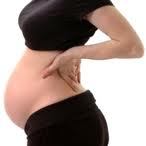
    Backaches and back pain occur when pelvic joints start to loosen (to allow easier passage for your baby during delivery) and especially later in pregnancy, when extra weight shifts your center of gravity, adding stress to your back muscles, you may experience mild achiness.

    Back Pain Help

    To help minimize back pain, stay away from shoes that are high-heeled, instead wear low-heeled shoes with good arch support. Practicing proper lifting techniques can also help. Always bend at the knees, not at the waist to avoid straining your back further. Try to stay off your feet whenever you can, elevating them with a foot stool and avoid standing for long periods.

    Warm baths and back massages are also a great way for temporary relief. In your third trimester, may want to contact your doctor or midwife if you have persistent back pain, because it could possibly be a sign of preterm labor.

    more Discomforts

    Backaches
    Breast Discomfort
    Braxton Hicks Contractions
    Constipation
    Dizziness and Fainting
    Fatigue
    Hand Numbness
    Headaches
    Heartburn and Indigestion
    Hemorrhoids
    Increased Discharge
    Itchy Abdomen
    Leg Cramps
    Nausea and Morning Sickness
    Overheating
    Pelvic Pressure
    Sleep Trouble
    Swelling
    Urinary Problems
    Varicose Veins

  • Pregnancy Discomforts

    Pregnancy is a time when your body is undergoing significant physical (as well as emotional changes). As your pregnancy progresses, you may experience some discomforts, resulting from these changes. Even though pregnancy discomforts are only temporary, they may be quite unpleasant. Pregnancy discomforts vary from woman to woman and although the complaints listed below are quite common, many (but not all) can be avoided through proper diet, exercise, adequate rest and prenatal care. If have any questions or concerns about any discomfort or illness you experience, don’t hesitate to contact your doctor or midwife.

    more Pregnancy Discomforts

    Backaches
    Constipation
    Hemorrhoids
    Fatigue
    Headaches
    Heartburn and Indigestion
    Itchy Abdomen
    Dizziness and Fainting
    Swelling
    Varicose Veins
    Breast Discomfort
    Urinary Problems
    Sleep Trouble
    Leg Cramps
    Nausea and Morning Sickness
    Increased Discharge
    Pelvic Pressure
    Hand Numbness
    Braxton Hicks Contractions


  • Pregnancy Stretch Marks and Skin

    Pregnancy Stretch Marks and Skin

    In pregnancy, your skin may begin to change right before your eyes. These changes are a very common and usually an expected part of pregnancy, although not every woman will experience all the same skin changes. Most skin changes during pregnancy can be blamed on the effects of various hormones. These ever-fluctuating pregnancy hormones can do some strange things to your skin, but most changes are not permanent and they tend to disappear within a few months after you give birth, although they generally come back in subsequent pregnancies. Except for affecting your appearance cosmetically, most common skin changes don’t harm you or your unborn baby in any way.

    Pregnancy Stretch Marks

    Stretch marks. We’ve all heard of them and we’ve all hoped they wouldn’t strike us during pregnancy, but the fact is 50- 90% of pregnant women are affected by them to some extent. Most appear on the abdomen, breasts, hips and thighs during the second and third trimesters. Keep your weight gain within the recommended range, apply a nourishing lotion to your stretching skin daily to keep it well moisturized and eat a sensible, well-balanced diet, as well as drink plenty of water to help keep your skin as healthy as possible.

    Pregnancy Glow

    One of the few desirable changes that may occur to your skin during pregnancy is often called, “the glow of pregnancy”. Friends and family (and complete strangers) may comment on it, while you may not even notice the difference. Hormonal changes and increased blood circulation tend to make your oil glands work overtime, causing your face to appear shinier than normal, as well as make your cheeks look rosier.

    Skin and Hormones

    There are a few less desirable skin changes you can expect during pregnancy. Hormonal changes are also responsible for the unwelcome and very aggravating change of pimple outbreaks (those oil glands working overtime). However, depending on your hormones and skin condition, you may not suffer from this problem at all. Occasionally, long-term acne conditions may actually clear up during pregnancy, if you are lucky. If you become bothered with acne breakouts, keep a strict cleansing routine, by washing your face twice a day (more often can lead to dry skin) with a mild over-the-counter cleanser. Stay away from medicated acne creams or scrubs, without checking with your doctor or midwife first, because some may contain substances that are not recommended for pregnant women.

    Skin Itching in Pregnancy

    Itchiness and dryness is a common problem during pregnancy, particularly in relation to your growing belly and breasts. The skin across your abdomen may become very itchy as it stretches and tightens, as well as your breasts as they enlarge. You may also find that your palms and/or soles are red and itchy, which is likely caused from higher estrogen levels. Try to avoid scratching, which may only aggravate the problem and make it worse. Instead, moisturize with lotion and avoid hot showers and baths (which you should already be avoiding during pregnancy). A warm oatmeal bath may help alleviate some of discomfort, if it becomes unbearable. You can buy pre-mixed oatmeal bath preparations at many drugstores. If you have bothersome itching that doesn’t go away or becomes worse, contact your doctor or midwife to make sure there’s not an underlying medical problem causing your symptoms.

    Rashes

    Sometimes during the last 1-2 months of pregnancy, women experience red, itchy, pimply skin eruptions. This is a common skin condition called “pruritic urticarial papules and plaques of pregnancy” or PUPPP for short, which occurs in about one in every 150 pregnancies. It usually begins on the abdomen and spreads to the thighs, upper arms and sometimes the buttocks, but thankfully never the face. PUPPP is not harmful to you or your baby and will disappear after you give birth, although it can reappear in subsequent pregnancies, though it generally only appears during first pregnancies. Your doctor or midwife will most likely prescribe a topical anti-itch ointment or possibly an oral medication to help alleviate the intense itchiness.

    Pregnancy Mask

    Sometimes during the second trimester of pregnancy, women develop chloasma or “the mask of pregnancy”. Chloasma generally appears as irregular brown patches on your face. They are most common on the forehead, cheekbones, nose and chin, as a result of increased pigmentation caused by those wonderful pregnancy hormones at work once again. The good news is: they gradually will fade after delivery. There”s not a whole lot you can do to prevent Chloasma, but wearing a good sunscreen and avoiding direct sunlight can help keep your skin from producing even darker pigmentation. Concealing makeup applied to your face can help even out facial tones. If any changes in skin pigmentation are accompanied by pain, tenderness or redness or if you notice any changes in the color or size of a mole, don’t hesitate to let your doctor or midwife know immediately.

    Linea Nigra

    During the last half of pregnancy, you may notice a dark line running down the middle of your belly from the top to the bottom. This is common and is called the “linea nigra”. This line is normally there, but those wacky pregnancy hormones tend to darken this line, making it more noticeable. Thankfully, it will fade back to normal after delivery.