Tag: fatigue

  • Fatigue in Pregnancy

    Fatigue in Pregnancy

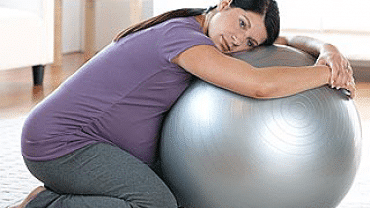
    When your pregnant body is working overtime, growing a human inside it, as well as with all the added hormonal changes that accompany pregnancy, it’s no wonder you may be experiencing less energy than usual. Get extra rest and sneak in naps when possible. You need extra sleep during pregnancy, so try and get to bed an hour or two earlier than you used to. Believe it or not, daily exercise and activity may actually increase your energy level, so go for a walk. Listen to your body signals and don’t overdo it.

    More Pregnancy Discomforts

    Backaches
    Breast Discomfort
    Braxton Hicks Contractions
    Constipation
    Dizziness and Fainting
    Fatigue
    Hand Numbness
    Headaches
    Heartburn and Indigestion
    Hemorrhoids
    Increased Discharge
    Itchy Abdomen
    Leg Cramps
    Nausea and Morning Sickness
    Overheating
    Pelvic Pressure
    Sleep Trouble
    Swelling
    Urinary Problems
    Varicose Veins


  • Pregnant Week 6

    Pregnant Week 6

    Your baby is about 1/2 of an inch in length (from crown to rump) and is experiencing rapid growth. Limb buds begin to appear on the body, which will later form your baby’s arms and legs. Mid-way through this week, your baby’s eyes begin to form and tiny depressions will start to appear on either side of his or her head where the ears and inner ear will later form.

    Your baby’s digestive system is becoming more refined as the stomach and intestines develop. The appendix is in place now, as well. At this point, your baby is completely enclosed in the amniotic sac and the stalk begins to grow into the umbilical cord, forming blood vessels within. Your baby’s heart is beating and pumping blood, providing circulation for its tiny body this week.

    It’s been about an entire month now, since your baby was conceived, but you may not notice too many changes in your body quite yet. Your uterus is growing, but you probably haven’t noticed any major changes to your abdomen. It most likely hasn’t gotten much thicker at this point, especially if this is your first pregnancy.

    It’s normal for you to feel more tired and exhausted than you usually do. Fatigue is quite common throughout pregnancy, since your body is working so hard to create this little baby. Make sure you get plenty of rest (a nap in the afternoon wouldn’t hurt). Continue to take your prenatal vitamins, in addition to eating a well-balanced diet, because fatigue is often aggravated by a deficiency in iron or protein.

    << more weeks >>

  • Pregnant Week 4

    Pregnant Week 4

    At the end of week 4 of pregnancy, you’re probably expecting your menstural period (or crossing your fingers it won’t come, if you were trying to conceive).

    Most women don’t notice any early pregnancy symptoms quite yet, but some may already. Typically, a missed period is one of the first signs of pregnancy.

    Many of the early pregnancy symptoms are very similar to those you get every month right before (or during) your period, including breast tenderness, light cramping, fatigue and mood swings.

    During this week, the newly-implanted ball of cells are growing very rapidly, multiplying and grouping together. It divides into two parts, one becoming the placenta and the other becoming your baby. Different layers of cells are forming, which develop into specialized parts of your baby’s body. These three germ layers are the ectoderm, endoderm and mesoderm.

    The amniotic sac and the amniotic cavity will begin to form and the yolk sac has also appeared. The yolk sac will later give rise to your baby’s digestive tract. Your tiny little one is undergoing many great changes.

    A home pregnancy test may show a positive at the end of this week. Many tests can provide positive results as early as 10 days after conception, but you may want to wait a few days for more accurate results.

    You should be avoiding all medications (even over-the-counter and herbal ones), unless you’ve checked with your doctor or midwife about their safety during pregnancy first. Many things that are safe for you when you’re not pregnant can hurt your baby now. Some cold medications, sinus drugs and pain-relief products can cause problems for you and your developing baby.

    << more weeks >>

  • Early Pregnancy Symptoms

    Did you know that some women experience pregnancy symptoms as early as one week after conception? This is true however uncommon. Below you will find a list of the earliest pregnancy symptoms:

    First Trimester Symptoms

    • Implantation bleeding or spotting (usually before your period is due)
    • A missed period, a shorter, lighter period
    • Breast tenderness or swelling
    • Tingling, sore nipples, darkening of areola (skin around nipples)
    • Skin changes, breakouts
    • Nausea, vomiting
    • Constipation, flatulence (gas)
    • Frequent urination
    • Fatigue, sleepiness
    • Food cravings, food aversions, appetite loss
    • Moodiness, irritability
    • Backaches
    • Headaches
    • Increased sense of smell
    • Mild lower abdominal cramps, bloating
    • Continuous elevated basal body temperature
    • Dizziness, fainting
    • Sensitive, bleeding, or swollen gums, excessive salivation
    • Heartburn, indigestion
    • Cervical, vaginal changes (tissue color), sensitivity of the cervix

    Read more on Second Trimester Symptoms

  • Pregnancy Symptoms Calendar and Timeline

    Pregnancy Symptoms Calendar and Timeline

    The top pregnancy symptoms are: a missed menstrual period, tender breasts, morning sickness and nausea, fatigue, frequent urination, headaches, spotting, light headedness or faint, swelling and heartburn. Below is a pregnancy calendar the timeline that you are most likely to have them:

    Missed Period

    Months 2 through 9

    Tender Breasts

    Months 2 through 9

    Morning Sickness

    Months 2 through 5

    Fatigue and Exhaustion

    Months 2, 3, 4 and 9

    Headaches

    Months 2 through 5

    Spotting

    Months 1 through 3

    Light Headedness or Faint

    Months 2 through 5

    Swelling

    Months 8 and 9

    Heartburn

    Months 2, 3, 4 and 9

    Varicose Veins

    Months 7, 8 and 9

    Hemmorhoids

    Months 8 and 9

  • Early Pregnancy Symptoms

    Pregnancy symptoms vary greatly in intensity and duration from one woman to another. They also vary from pregnancy to pregnancy. For most women, a missed period is the first clue of pregnancy, followed by nausea and/or vomiting (morning sickness) and breast tenderness. But if you don’t have regular periods, you’ll have to watch for other symptoms.

    Some women start to notice symptoms within days after conception, while other women’s symptoms may develop over a few weeks. A lucky few may never feel any symptoms or have any discomfort at all. Most pregnancy symptoms occur due to rapid hormonal changes in your body following implantation of the egg in the lining of your uterus.

    Knowing and understanding pregnancy symptoms is important because each symptom may be related to something other than pregnancy, including pre-menstrual symptoms and illness. Early pregnancy symptoms can be confusing and often misleading, either making you believe you are pregnant when you are not, or not pregnant when you are in fact pregnant.

    If you have one (or more) pregnancy symptom and suspect you may be pregnant, the next step is to take a home pregnancy test or better yet, have a blood test done at your doctor’s office. Most home pregnancy tests can be taken about 10-14 days after conception or the day following when you expected your period. Blood tests can usually detect if you are pregnant even sooner.

    Earliest Pregnancy Symptoms (first trimester):

    • Implantation bleeding or spotting (usually before your period is due)
    • A missed period, a shorter, lighter period
    • Breast tenderness or swelling
    • Tingling, sore nipples, darkening of areola (skin around nipples)
    • Skin changes, breakouts
    • Nausea, vomiting
    • Constipation, flatulence (gas)
    • Frequent urination
    • Fatigue, sleepiness
    • Food cravings, food aversions, appetite loss
    • Moodiness, irritability
    • Backaches
    • Headaches
    • Increased sense of smell
    • Mild lower abdominal cramps, bloating
    • Continuous elevated basal body temperature
    • Dizziness, fainting
    • Sensitive, bleeding, or swollen gums, excessive salivation
    • Heartburn, indigestion
    • Cervical, vaginal changes (tissue color), sensitivity of the cervix

    Later Pregnancy Symptoms:

    • Weight gain
    • Mild edema (swelling of ankles, hands, feet, and face)
    • White vaginal discharge (leukorrhea)
    • Increased appetite
    • Quickening (earliest fetal movement)
    • Nasal congestion and ear stuffiness, occasional nose bleeds
    • Expanding waistline
    • Abdominal achiness
    • Visible veins, varicose veins
    • Trouble sleeping
    • Breast enlargement
    • Hemorrhoids
    • Leg cramps
    • Dark line down abdomen (linea nigra)
    • Itchy, dry abdomen
  • Early Pregnancy Symptoms

    Pregnancy Symptoms can be confusing at times since tender breasts can indicate early pregnancy. It can also be a sign of an expected menstrual period. A missed period is usually an early sign of pregnancy, but can also be skipped after a stressful time in one’s life. Putting symptoms together and taking a home pregnancy test can help to put this confusion to rest.

    Missed Menstrual Period

    One of the first pregnancy symptoms is usually a missed or late menstrual period and is the first indicator that a woman is pregnant, although some women claim to know they are pregnant before they miss a period.

    Tender Breasts

    Tender swollen breasts are another one of the early symptoms. While tender breasts are a symptom of an impending menstrual period, enlarged breasts are not. Sore and swollen breasts with a tingling sensation can be an early indicator that a woman is pregnant.

    Nausea and Morning Sickness

    Nausea associated with morning sickness can be a tell tell sign that a woman is pregnant. Many women suggest that they’ve had nausea up to two weeks before an expected menstrual period and before any other symptom. Eating crackers before getting out of the bed in the morning can help with morning sickness and eating several smaller meals instead of larger meals can help with nausea related to morning sickness.

    Fatigue in Pregnancy

    Extreme fatigue can be another indicator of pregnancy, especially if other symptoms are present. One or two naps per day can help a pregnant woman maintain normal daily activities.

    Frequent Urination

    Frequent urination in pregnancy usually occurs between 6 to 8 weeks after conception.

    Read next five Early Pregnancy Symptoms

    << more complete Pregnancy Symptoms Guide >>
    << Pregnancy Symptoms Calendar >>