Category: Pregnancy

  • Pregnancy Test – A Plus Or Minus Says It All

    Pregnancy Test – A Plus Or Minus Says It All

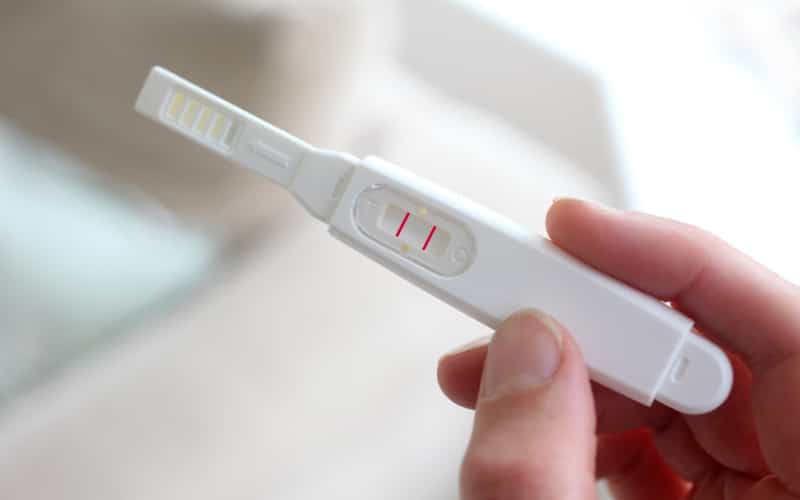
    A pregnancy test, as the name implies, is simply a test used to determine whether or not a woman is pregnant. Often used early in the form of a home pregnancy test, this process is helpful in making an early determination. An unborn child will require medical care even before they arrive and an early diagnosis is important so that the mom-to-be can learn the best types of food to consume, begin pregnancy classes and prepare for the family’s new addition.

    The most popular type of pregnancy test, which is used for early detection, is a home pregnancy test. These can be found at most major retail and/or drug stores and can provide quick results. Because these are amateur tests, meaning they are not performed by a licensed medical doctor, there is always the possibility of a false reading.
    Pregnancy Test

    If the directions are followed correctly, however, the accuracy rate is quite respectable. Before seeing a doctor, many women want to have an idea as to whether or not they are pregnant, which is why an at home pregnancy test is very popular.

    Depending on the results of a home pregnancy test, a woman may still wish to consult a physician to ensure certainty. During the visit, a physician will relay the determination of pregnancy or the absence thereof and, if necessary, will provide additional information for expectant moms.

    It can be difficult to realize the symptoms of pregnancy for first-time moms-to-be, which is why it is important to learn about the possible signs of an early pregnancy. Among them, an increased sensitivity to certain foods and/or smells, recurring morning sickness, fatigue, exhaustion and mood swings.

    It is important to have a pregnancy test following the onset of any or all of these symptoms because a positive result means that a new change in lifestyle may be in order. Pregnant women will likely be instructed to avoid air travel, smoking or being near secondhand smoke and the consumption of alcohol.

    Any and all of these can be harmful to a child and should therefore be avoided. It is very important that pregnant women speak with their doctor about the best ways to ensure the development of a healthy child.

    This article is to be used for informational purposes only. It is not designed to be used in place of, or in conjunction with, professional medical advice and/or recommendations. A woman who believes that she may be pregnant should consult a licensed medical doctor for a pregnancy test and the best method of ensuring the health of her unborn child.

    Did you like this? Help us reach more people sharing it on social networks. Thanks!

  • What Are The Early Signs Of Pregnancy?

    What Are The Early Signs Of Pregnancy?

    Pregnancy is the carrying of one or more embryos or fetuses by female mammals, including humans, inside their bodies. In a pregnancy, there can be multiple gestations (for example, in the case of twins, or triplets). Human pregnancy is the most studied of all mammalian pregnancies.

    Human pregnancy lasts approximately 9 months between the time of the last menstrual cycle and childbirth (38 weeks from fertilisation). The medical term for a pregnant woman is genetalian, just as the medical term for the potential baby is embryo (early weeks) and then fetus (until birth).

    Early Signs Of Pregnancy

    A woman who is pregnant for the first time is known as a primigravida or gravida 1: a woman who has never been pregnant is known as a gravida 0; similarly, the terms para 0, para 1 and so on are used for the number of times a woman has given birth.

    In many societies medical and legal definitions, human pregnancy is somewhat arbitrarily divided into three trimester periods, as a means to simplify reference to the different stages of fetal development.

    The first trimester period carries the highest risk of miscarriage (natural death of embryo or fetus). During the second trimester the development of the fetus can start to be monitored and diagnosed. The third trimester marks the beginning of viability, which means the fetus might survive if an early birth occurs.

    Before pregnancy begins, a female oocyte (egg) must join, by male spermatozoon in a process referred to in medicine as “fertilisation”, or commonly (though perhaps inaccurately) as “conception.”

    In most cases, this occurs through the act of sexual intercourse, in which a man ejaculates inside a woman, thus releasing his sperm. Though pregnancy begins at implantation, it is often convenient to date from the first day of a woman’s last menstrual period. This is used to calculate the Estimated Date of Delivery (EDD).

    Traditionally (according to Naegele’s rule, which is used to calculate the estimated date of delivery, or EDD), a human pregnancy is considered to last approximately 40 weeks (280 days) from the last menstrual period (LMP), or 37 weeks (259 days) from the date of fertilization. However, a pregnancy is considered to have reached term between 37 and 43 weeks from the beginning of the last menstruation.

    Babies born before the 37 week mark are considered premature, while babies born after the 43 week mark are considered postmature.

    According to Merck, the norm for human pregnancy is that it lasts 266 days from the date of fertilization. This is 38 weeks, or approximately 8 Gregorian months and 22.5 days, or 9.0 lunar months). Counting from the beginning of the woman’s last menstrual cycle, the norm is 40 weeks (the basis for Naegele’s rule).

    According to the same reference, less than 10% of births occur on the due date, 50% of births are within a week of the due date, and almost 90% within two weeks. But it is not clear whether this refers to the due date calculated from an early sonograph or from the last menstruation (see further down).

    Though these are the averages, the actual length pregnancy depends on various factors. For example, the first pregnancy tends to last longer than subsequent pregnancies.

    An accurate date of fertilization is important, because it is used in calculating the results of various prenatal tests (for example, in the triple test). A decision may be made to induce labour if a baby is perceived to be overdue. Due dates are only a rough estimate, and the process of accurately dating a pregnancy is complicated by the fact that not all women have 28 day menstrual cycles, or ovulate on the 14th day following their last menstrual period. Approximately 3.6% of all women deliver on the due date predicted by LMP, and 4.7% give birth on the day predicted by ultrasound.

    The beginning of pregnancy may be detected in a number of ways, including various pregnancy tests which detect hormones generated by the newly-formed placenta. Clinical blood and urine tests can detect pregnancy soon after implantation, which is as early as 6-8 days after fertilization. Home pregnancy tests are personal urine tests, which normally cannot detect a pregnancy until at least 12-15 days after fertilization. Both clinical and home tests can only detect the state of pregnancy, and cannot detect its age.

    In the post-implantation phase, the blastocyst secretes a hormone named human chorionic gonadotropin which in turn, stimulates the corpus luteum in the woman’s ovary to continue producing progesterone. This acts to maintain the lining of the uterus so that the embryo will continue to be nourished.

    The glands in the lining of the uterus will swell in response to the blastocyst, and capillaries will be stimulated to grow in that region. This allows the blastocyst to receive vital nutrients from the woman. Pregnancy tests detect the presence of human chorionic gonadotropin.

    Did you like this? Help us reach more people sharing it on social networks. Thanks!

  • All You Should Know About Tanning While Pregnant

    All You Should Know About Tanning While Pregnant

    There’s a lot of confusion among those who are pregnant regarding the safety of getting a tan. Even in the absence of a fetus, experts continue to disagree about the risks – real or imagined – of exposing the body to ultraviolet light. Given the glut of misinformation, it’s understandable that women who are carrying a child might have reservations about tanning beds. Today, I’m going to clarify some of the existing misperceptions. It’s only by exposing the falsehoods that you can make an informed decision regarding what is best for you and your unborn child.

    In this article, we’ll explore a few reasons why you might want to tan your skin. I’ll explain the basics of UV light along with the effects they can have over time. I’ll also describe some of the precautions you should take when using tanning beds.

    Reasons To Tan While Pregnant

    It’s not uncommon for pregnant women to feel unattractive. Their bodies are changing, expanding as their baby’s due date draws closer. Often, giving their skin a golden brown or bronze tan can lift their spirits and provide a boost to their self-esteem.

    Other reasons are health-related. Researchers discovered long ago that UVB rays from the sun were instrumental in the synthesis of vitamin D. This vitamin is important; it encourages the absorption of calcium, prevents diabetes, and can even defend against gum disease. Some studies have suggested that vitamin D can also help curb heart disease, osteoporosis, and cancer.

    The sun remains a constant source of UVB rays. However, because managing exposure levels can be challenging, many pregnant women prefer the convenience of home tanning beds. That begs the question, “Isn’t UV radiation harmful to a fetus?”

    Understanding The Effects of UV Light

    Much of the concern that surrounds the use of tanning beds during pregnancy focuses on the radiation that such systems emit. In effect, many people believe that exposure to UV radiation will harm an unborn child. It’s important to realize that there are many different types of radiation, each with varying levels of intensity and impact. Computers emit radiation; so do cell phones, smoke detectors, magazines, and even bananas. And of course, UV light is another source.

    There are no studies unequivocally substantiating that radiation from UV light poses harm to a fetus. In particular, ultraviolet rays that are produced by tanning beds do not penetrate deeply enough. That said, overexposure does pose a potential risk in the same way that basking for several hours under intense sunlight does.

    Precautions To Consider

    People who tan regularly are concerned with safety regarding skin health, cancer, and sunburns. Tanning beds can be a safe means of tanning since the environment can be controlled by an experienced tanning salon professional. Also, you have the option of adjusting the strength of the UV rays and a lot of the times they will give you samples of various tanning lotions that can enhance your tan while protecting your particular kind of skin. If you are pregnant, and you still want to tan then, you may want to consider spray tan if you are concerned with the safety of the exposure to UV rays.

    If you are planning to tan on your own at home and will not have a tanning salon to control the tanning environment, then you may want to reference the-the skin chart created by the United States Food and Drug Administration. This chart helps you determine your skin type, if you should tan, for how long, and much more. The most sensitive skin type is type I and this skin type rarely tans, most exposure to the sun will burn the skin. People with skin type VI will never burn any matter how long they are in the sun they always tan. It is important to figure out your skin type to make sure the exposure you receive is safe.

    It is recommended to wear sunscreen or tanning lotion even if you are trying to tan it’s important to protect your skin from burning. Most tanning lotions protect your skin while enhancing the tan. The best way to get a tan without any streaks is to exfoliate your skin regularly. You will want to do this by scrubbing off dead skin all over your body using a body scrub. Make sure to pay more attention to areas around joints where there tends to be a lot of dead skin. This will help even out your skin layers so the tan you get will be a bronze color all throughout your body.

    Pregnant women need to take a few steps to ensure their bodies are prepared for exposure to UV light. Hydration is critical – especially so during the first trimester. Using tanning bed lotion and limiting your exposure to UV light – far easier with tanning beds than direct sunlight – is also important. Most experts agree that spending too much time under the lamps can lead to overheating of the body, which can potentially harm an unborn child. So, watch the amount of time you’re spending.

    Realistic Expectations

    To make an informed decision about getting a tan while pregnant, we first needed to dispel some of the common myths surrounding it. Exposure to the UV light does pose a potential risk to a fetus, but only in cases of overexposure. And even then, the risk is identical to that posed by direct sunlight. The key is to take a few precautions, such as keeping hydrated and limiting the amount of time spent under the lamps. You can enjoy a gorgeous tan without concern about your unborn baby’s health.

    Although there has been little research on the safety of tanning during pregnancy – it is important that expectant mothers understand the potential risks of doing so. Some salons go as far as requiring a letter from a health professional before allowing the pregnant mother to tan; others limit the exposure of the expectant mother in the tanning bed.

    Regardless, the waiver that is signed before entering the tanning bed ultimately put the fault of any risk that occurs in the person wishing to tan. This should give some clue to the dangers of the activity.

    Compiled using information from the following sources: Mayo Clinic Guide To A Healthy Pregnancy Harms, Roger W., M.D., et al, Introduction. American Cancer Society, http://www.cancer.org/

  • Pelvic Pressure

    When your joints begin to relax in preparation for childbirth and also when your baby drops during the third trimester, you may experience a feeling of constant heaviness or pressure in your pelvic area. Swimming or being in the water, if possible, can temporarily relieve some of the pressure, along with soaking in a cool bath or applying a cold pack. Continue with your Kegel exercises, to reduce soreness and look into a maternity support belt, to alleviate pressure.


    more Discomforts

    Backaches
    Breast Discomfort
    Braxton Hicks Contractions
    Constipation
    Dizziness and Fainting
    Fatigue
    Hand Numbness
    Headaches
    Heartburn and Indigestion
    Hemorrhoids
    Increased Discharge
    Itchy Abdomen
    Leg Cramps
    Nausea and Morning Sickness
    Overheating
    Pelvic Pressure
    Sleep Trouble
    Swelling
    Urinary Problems
    Varicose Veins

  • Overheating

    When your basal metabolic rate increases and your little built-in heater grows, you may experience feeling warmer and even perspire more. Try taking a cool shower or bath if you feel too warm and wear light, loose-fitting clothes. If it’s hot or humid outside, don’t exercise for long periods of time and stay out of the sun. Drink at least eight 8-ounce glasses of water daily and even more if you’re sweating.

    more Discomforts

    Backaches
    Breast Discomfort
    Braxton Hicks Contractions
    Constipation
    Dizziness and Fainting
    Fatigue
    Hand Numbness
    Headaches
    Heartburn and Indigestion
    Hemorrhoids
    Increased Discharge
    Itchy Abdomen
    Leg Cramps
    Nausea and Morning Sickness
    Overheating
    Pelvic Pressure
    Sleep Trouble
    Swelling
    Urinary Problems
    Varicose Veins

  • Nutrition in Pregnancy

    How your diet affects your baby

    What you eat while you’re pregnant affects your health and that of your unborn baby. The belief that a baby’s nutritional needs are accommodated regardless of what the mother eats used to be well accepted. But, now many doctors are realizing that if the mother is in need of specific vitamins, it’s not just her that suffers. The mother’s deficiencies in nutrition may cause her baby to be deficient as well.

    What you eat when you’re pregnant plays a vital role in the development of your growing baby and the consequences of malnourishment and a poor diet may include health problems for your baby. Low birth weight, nutritional deficiencies, birth defects and even mental retardation, can result from not eating properly during pregnancy. A healthy diet also has been found to decrease the risk of miscarriage, along with the possibility of preterm labor.

    Calories

    When you’re pregnant, you need to consume an extra 300 calories per day, especially during the second and third trimester. If you are carrying more than one baby, adding in more calories will be necessary. How much depends on suggestions from your physician. Normally the calories you take in are not much more than you are already digesting, but are important in your diet. Don’t forget to add in a prenatal vitamin to ensure that your baby is getting what he or she needs. Do not digest empty calories that lack little or no nutritional value. Just because junk food fills you up, doesn’t mean it’s good for your baby. And, in fact, could harm you or your baby if you are not adding in the right kind of foods to our diet.

    Benefits of Eating Healthy

    In pregnancy, it is necessary for your level of energy to increase by more than fifteen percent, so your body can take care of the baby within you efficiently. That’s why eating a well-balanced diet will move you in the right direction to achieve that goal. Eating right can make your pregnancy easier and can lessen your discomforts and might even decrease your chances of complications. You may notice less heartburn, fatigue and constipation. Your body will return to pre pregnancy status easier after birth and heal faster. Isn’t that great news!

    If you have questions about how to improve your diet and need help choosing healthy foods, be sure to speak with your doctor or midwife.

  • Non-Stress Test (NST)

    Prenatal Testing

    This test helps your doctor evaluate the condition of your baby by measuring your baby’s heart rate in response to it’s own movements. Normally, the heart beats faster when the baby moves. This is usually done during the third trimester of pregnancy.

    For a NST, you either lie on an exam table or sit back in a chair, while a belt with ultrasound transducers attached to it is placed around your abdomen. Your baby’s heart rate is recorded continuously for about 20 minutes. If your baby appears to be sleeping, the test may take longer.

    The results are considered normal if the test is reactive- if the baby’s heart rate accelerated normally in response to it’s own movements. Follow-up tests are needed when a non-reactive NST is obtained.

    More Tests

    Amniocentesis
    Chorionic Villus Sampling (CVS)
    Contraction Stress test (CST)
    Glucose Tolerance Testing
    Hemoglobin Test
    MSAFPT Test
    Non-Stress (NST) Test
    Rh Factor
    Triple Screen Test
    Ultrasound

  • Nausea and Vomiting

    When you are in your first trimester of pregnancy and your body is adjusting to the production of certain hormones, including estrogen and progesterone, you may experience nausea and even vomiting. It happens anytime of the day, but is usually worse in the morning.

    Sensitivity to odors during pregnancy can make many smells bothersome. Try to avoid food odors, as well as cigarette smoke, which may contribute to your queasiness.

    Don’t let your stomach get completely empty, eat small meals throughout the day, so your blood sugar level doesn’t get low and make your morning sickness worse.

    Eat a diet that is relatively low in fat and try to stay away from any greasy or fried foods, which can upset your stomach. You may try to calm your nausea by smelling or eating lemon. Many women will drink lemon water or even suck on a wedge of lemon for relief.

    Another remedy other women praise is the use of wrist bands. They provide pressure to the underside of your wrist, on a pressure point, which may be helpful in reducing nausea.

    more Discomforts

    Backaches
    Breast Discomfort
    Braxton Hicks Contractions
    Constipation
    Dizziness and Fainting
    Fatigue
    Hand Numbness
    Headaches
    Heartburn and Indigestion
    Hemorrhoids
    Increased Discharge
    Itchy Abdomen
    Leg Cramps
    Nausea and Morning Sickness
    Overheating
    Pelvic Pressure
    Sleep Trouble
    Swelling
    Urinary Problems
    Varicose Veins

  • Preterm Causes

    Preterm Causes

    What triggers normal, full-term labor is not yet fully understood, so the actual cause of preterm labor is not completely understood. In over half of preterm labors, the cause is unknown. However, there are some factors which are known to increase a woman’s risk of experiencing preterm labor.

    Many preterm births (30-40%) are the result of preterm premature rupture of the membranes (PPROM), in which the amniotic sac that holds the baby breaks too soon, leading to preterm labor. Preterm labor usually begins shortly after PPROM occurs. Sometimes, when a slow leak is present and infection has not developed, contractions may not start for a few days. On occasion, a leak high up in the amniotic sac may reseal itself so that preterm labor does not start or subsides.

    A mother’s age may play a role in preterm labor. Women in their teens or women over 35 are at an increased risk. Also, some recent studies have found a link between severe stress and stressful life situations (including things like: domestic violence or death of a close family member) and preterm labor, as well as standing for long periods of time or extremely tiring jobs.

    Infections can cause preterm labor, including certain sexually transmitted diseases (STDs) such as: gonorrhea, syphilis, chronic active hepatitis, trichomoniasis and chlamydia, as well as any illness with a fever. Severe urinary tract infections (UTI), undetected or untreated, Group B Strep and bacterial vaginosis (BV) are also possible triggers of labor before term. Other conditions that may be related to preterm labor include certain chronic maternal illnesses such as: diabetes, high blood pressure, kidney disease/infection and sickle cell anemia.

    Illegal or non-prescription drug abuse (especially cocaine), cigarette smoking, alcohol consumption are all risk factors for delivering a preterm baby. Not gaining enough weight during pregnancy, having a pre-pregnancy weight of less than 100 pounds, and inadequate nutrition and prenatal care may cause preterm labor and delivery of a premature infant.

    A multiple pregnancy (expecting twins, triplets or more) puts you at a much higher risk for preterm labor. The increased size of the mother plays a role in the increased risk. Women who’ve had a previous preterm labor or premature baby, 3 or more first-trimester miscarriages or 1 second-trimester miscarriage are considered at a higher risk as well.

    Cervical trauma is a major cause for preterm birth, the most common being from cervical injury due to elective abortions. Women with a history of multiple first-trimester abortions or one or more second-trimester abortions are at a considerably increased risk of delivering before term. Uterine defects due to an incompetent cervix, uterine fibroids, excesses amniotic fluid (making the uterus extra large), previous cervical cone biopsy surgery, placenta previa and diethylstilbestrol (DES) exposure can lead to preterm labor, as well as a pregnancy that occurred while using an IUD (contraceptive device).

    Back to Labor Stages

  • Preterm Labor and Complications

    Preterm Labor and Complications

    asthma-pregnancy1-163x140Prematurity is the most common cause of sickness and death among newborns. Babies born before the 37th week of pregnancy are often called preterm or “premature”, babies born before the 32nd week are considered very premature, babies born before the 28th week are considered extremely premature. Generally, babies born after the 25th week of pregnancy have a survival rate of between 50-60% (although they will stay an extended period of time in intensive care), which increases dramatically to over 90% after the 28th week.

    Premature Babies

    Babies born earlier at the 22nd week of pregnancy have less than a 2% chance of survival, while babies born before the 20th week are said to be miscarried and cannot survive outside the womb, even with our improved medical technology. The more mature babies are at birth, the more likely they are to survive and the less likely they are to have health problems. In addition to age, the baby’s size tends to influence how well he or she does; larger babies generally do better.

    Many times, babies born preterm face weeks and sometimes even months in the neonatal intensive care unit (NICU), depending on their gestational age, size and overall medical condition. Usually, premature babies are too sick and too small to go home until close to their original estimated due date.

    Preterm Health Problems

    Preterm babies are at risk for a variety of health problems, serious complications and even death. Some have lasting disabilities (depending on their degree of prematurity) such as cerebral palsy, mental retardation, reading and learning problems (or developmental delay), chronic lung disease and blindness or deafness.

    Other babies, usually those born closer to term, have no long-term problems and grow up completely healthy. Sometimes, babies born closer to term (34-36 weeks) still have certain complications, as well as suffer 2-3 times the infant mortality rate during the first year as full-term babies. Mortality rates during the first year for babies 32-33 weeks are 6 times higher than those born full-term.

    Preterm Labor Treatment

    Babies born before 34 weeks often need to be on a ventilator (and may need a medication called surfactant) to help them breathe, because of respiratory problems. A common condition for these preterm babies is called respiratory distress syndrome (or hyaline membrane disease), which is a serious breathing problem caused by immature lungs, making it difficult or impossible for their air sacs to stay open, due to the lack of surfactant in the lungs.

    Apnea is also common, especially in babies born before 30 weeks. Apnea causes babies to stop breathing for short periods of time, due to their immature respiratory and nervous systems. Intraventricular hemorrhage (IVH) sometimes happens in the first few days of life and is quite common in very premature babies. This condition is when bleeding in the brain occurs, which can potentially cause seizures and brain damage.

    Certain blood and metabolic problems may occur in babies born before term. Anemia (low blood counts), which may require a blood transfusion is not uncommon.

    Early babies may develop jaundice, due to their livers being too immature to normally process bilirubin, which may turn them yellow or orange in color. Cardiovascular conditions may occur, such as patent ductus arteriosus (PDA), which is a heart condition that causes blood to divert away from the lungs. With this, a blood vessel near the heart (that normally closes after delivery) stays open and may need to be closed with surgery, if medication doesn’t work.

    Feeding difficulties are common for preterm babies, since many are unable to suck, due to undeveloped suck and swallow reflexes. Often, they require tube feedings, in which a tube is placed in the mouth or nose that goes down into the stomach. You can still pump your breast milk for your baby, which is ideally the best for your tiny little one. Preterm babies typically are cared for under special heaters or in enclosed incubators that help maintain a stable body temperature, due to temperature instability from low body fat and thin skin.

    Back to Labor Stages

  • Preterm Labor

    Labor that begins anytime before the 37th week of pregnancy is preterm labor (or “premature labor”). Ideally, pregnancies (under normal circumstances), last for approximately 40 weeks from the first day of the last menstrual period, give or take 2 weeks. Most babies are considered “full-term” if they are born after the 37th week of pregnancy. If you have contractions sufficient enough in strength and frequency to start to efface (thin out) and dilate (open up) your cervix or if your water breaks (preterm premature rupture of the membranes or “PPROM”) between 20-37 weeks along, you’d be considered in preterm labor.

    It is estimated that as many as 10-12% of pregnant women in the U.S. will suffer from preterm labor, not including twin or triplet pregnancies. Approximately 60% of twins and about 90% of triplets are born preterm. Overall, the rate of preterm births are rising, mainly due to the large numbers of multiple births in recent years. Twins and other multiples are six times more likely to be preterm than single birth babies. The rate of premature single births is slightly increasing each year. Between 1992 and 2002, the rate of babies born before 37 weeks increased almost 13%. In 2002, there were over 480,000 preterm births (about 1 in 9 live births). The preterm birth rate was highest for black babies (over 17%), followed by Native American babies (almost 13%), Hispanic babies (over 11%), Caucasian babies (over 10%) and lowest for Asian babies (over 9%).

    Early detection of preterm labor is very important, so steps can be taken to stop labor from progressing and to prevent preterm delivery. Being informed and aware of early warnings signs can make all the difference. The early signs of labor can be subtle and hard to detect; some women experience preterm labor without noticing any uterine contractions at all. Don”t hesitate to call your doctor or midwife immediately if you think you are experiencing any symptoms of labor and you are less than 37 weeks along. Always call if you have any reason to suspect you might have preterm labor or you are confused or concerned about what you are feeling. Some symptoms can be especially confusing, because they may occur normally as typical pregnancy discomforts (including pelvic pressure and lower backache).

    Symptoms of preterm labor that you want to watch for include: uterine contractions that are fairly regular (whether they are painless or not) that occur 4 times or more within an hour and abdominal menstrual-like cramping (constant or occasional), with or without diarrhea. It may be difficult to tell the difference between Braxton-Hicks (or “practice”) contractions and the real thing. Monitor your contractions, by timing them (from beginning of one to the beginning of the next) and writing down your results. More than 4 in an hour, especially accompanied by other symptoms definitely warrants a call to your doctor or midwife, to be on the safe side. Other common preterm labor symptoms include: persistent, lower back pain (especially if you don’t typically have back pain), sudden increase in vaginal discharge (particularly gushes or a trickle of watery, mucus-like or blood-tinged fluid), any vaginal bleeding or spotting (some spotting is common after pelvic exams), persistent and/or increased pelvic pressure (painless or not) and frequent diarrhea.

    Back to Labor Stages

  • Preterm Labor Treatment

    Depending on how far along you are in your pregnancy, your doctor or midwife may not attempt to stop your preterm labor. If you aren’t close to term, one of the first things that may be done is re-hydration. You may be given fluids and possibly an IV. Preterm contractions can many times be directly related to dehydration. If your contractions stop after re-hydration, you will more than likely be discharged with orders to increase your fluid intake and follow up with a visit with your doctor or midwife, without any medications. If you are thought to be in labor preterm (before the 37th week of pregnancy), you may be given antibiotics to prevent (or treat) possible infection, especially if your membranes have ruptured.

    If re-hydrating you doesn’t stop contractions, then you will most likely be given medication. There are typically two types of medications given to women who are having preterm labor. The first type helps to slow down or stop labor contractions if given early enough (they are called “tocolytics”) .The second type helps the baby’s lungs mature before birth (“corticosteroid” medications).

    Tocolytic medications often used include terbutaline (or brethine), ritodrine, nifedipine, magnesium sulfate, or indomethacine. Each of these medications work in a different way, but the goal is to minimize the strength and number of contractions which may cause the cervix to dilate and efface. They may be given in an injection, by IV, under the skin or in the form of a pill. Your doctor or midwife may prescribe your medication to be administered by a ‘pump’, which delivers a small amount automatically through a device similar to that used by insulin dependent diabetics, while you stay in the hospital. Tocolytic medications are not as successful later in labor, if your membranes have broken, or if your cervix is already dilated beyond 2 centimeters. Tocolytics are not used if you have chorioamnionitis (an infection in the membranes around the baby), bleeding, abruptio placenta, severe preeclampsia or eclampsia, cardiac disease or other severe medical illnesses.

    Like other drugs, these medications are associated with side effects for you, as well as your baby. Before choosing a medication, you and your doctor or midwife must weigh the risks and benefits of each. Possible side effects of some of these drugs include (but are not limited to): drowsiness, dizziness, headaches, muscle weakness, irregular or fast heartbeat, nausea, vomiting, nervousness, restlessness, insomnia, shaking, shortness of breath, hyperglycemia (high blood sugar) and hypokalemia (low blood potassium), double vision, fluid in the lungs, fever, hallucinations and heart attack. Possible side effects for the baby include: fast heart rate, high or low blood sugar after birth, loss of muscle tone, slow breathing, drowsiness, enlarged heart, jaundice and bleeding within the brain or heart. You and your baby should be monitored very closely while taking any of these medications.

    By delaying preterm labor with tocolytic medications, doctors and midwives can use other medications to help speed up the baby’s lung development and improve the baby’s chance of survival. Corticosteroid (or steroid) medications are given, particularly if delivery appears to be inevitable. Betamethasone (also called celestone) or dexamethasone are given by injection into muscle tissue.

    Sometimes, if an incompetent cervix has been diagnosed, a cervical cerclage may be done. This is a procedure where the cervical opening is stitched to keep it closed. Early cerclage placement has a significantly higher success rate than those performed after effacement and dilation have occurred. Bedrest (either at home or in the hospital) may be recommended, with varying levels of activity (from limited to none). It is important for you to discuss with your doctor or midwife what range of activity you may participate in when bedrest is prescribed.

    Back to Labor Stages