Tag: calendar

  • Dizziness and Fainting

    When your blood sugar level becomes low, because you’ve gone too long without eating or when your blood suddenly shifts, causing your blood pressure to drop rapidly, you may experience some light headedness or dizziness and feel like fainting. Another common cause in the last half of pregnancy can be the extra pressure of your uterus on blood vessels and arteries. Make sure you don’t go for long periods of time without eating. Take snacks (especially those high in protein and iron) with you when you go places. Always remember to change positions and stand up slowly after sitting or lying down to avoid feeling dizzy and don’t stand for extended periods of time.

    More Pregnancy Discomforts

    Backaches
    Breast Discomfort
    Braxton Hicks Contractions
    Constipation
    Dizziness and Fainting
    Fatigue
    Hand Numbness
    Headaches
    Heartburn and Indigestion
    Hemorrhoids
    Increased Discharge
    Itchy Abdomen
    Leg Cramps
    Nausea and Morning Sickness
    Overheating
    Pelvic Pressure
    Sleep Trouble
    Swelling
    Urinary Problems
    Varicose Veins

  • Fertility Charting

    Fertility charting is basically a pregnancy achievement technique. It requires recording all of your fertility signs on a chart; allowing you to track ovulation, predict the most fertile time in your cycle, understand your own personal fertility patterns and increase your chances of becoming pregnant.

    Besides rapid pregnancy achievement, charting can also be helpful in diagnosing and resolving many fertility issues, such as hormonal imbalance or ovulation problems. Potential complications that charting may be able to alert you on include anovulation (when no egg is released), low estrogen, low progesterone, thyroid conditions and even possible miscarriage.

    For couples having difficulty in conceiving, fertility charting can be a very valuable tool. Charting can help you identify your most fertile days, so you can make love on those days to increase your chances of conception. A woman is only fertile for a few short days (the egg lives and can be fertilized for 12-24 brief hours after ovulation) during each menstrual cycle, so timing when you make love is critical part of conception.

    In addition, many doctors and naturopaths strongly encourage fertility charting because it’s completely safe, natural and does not rely on drugs or medical procedures and there are no health risks or side effects. Plus, by charting your fertility, you will also become more aware of the patterns unique to your body, along with gaining a better understanding of how pregnancy is achieved. Once you understand these patterns and changes (and with a little patience), you can begin to anticipate ovulation through a combination of methods:

    –Tracking your basal body temperature (or BBT)
    –Observing changes in your cervical mucus
    –Monitoring your physical and emotional symptoms
    –Checking the position and shape of your cervix

    Read more on Fertility

  • More on Episiotomies (continued)

    Many recent studies have shown that routine episiotomies shouldn’t be performed, because they are not helpful to the majority of women, although there are certain circumstances when they are needed. Having an episiotomy can increase pain during the postpartum period, leading to a longer recovery time. In addition, women who have episiotomies may have weaker pelvic floor muscles as well as more pain when resuming intercourse postpartum.

    Episiotomy rates have declined over the years, but the number still remains high. Despite all the evidence against routine episiotomy use, close to 50- 80% of first time moms end up with an episiotomy in the U.S. The majority of women having them done are young white women, who have private insurance, according to a recent study.

    There are a few situations when an episiotomy may be medically necessary. If there is a sign that your baby is in distress while in the birth canal, such as slowing of your baby’s heart rate, an episiotomy may be unavoidable for the sake of your baby’s well-being. If your baby’s shoulders get stuck, if your baby has a very large head that cannot fit through the vaginal opening or if delivery happens too quickly for the skin of your perineum to stretch naturally, you may need an episiotomy.

    Perineal message helps reduce the chance of tearing during birth and the need for an episiotomy. It can make the perineum more flexible and increase elasticity, in preparation for birth. It’s a good idea to start doing perineal massage around the 34th week of pregnancy or before. To perform perineal massage, wash your hands thoroughly (or your partner). Place K-Y jelly, vitamin E oil or another mild lubricant on one or two fingers and gently stretch the lower part of the vagina until you feel a slight burning sensation. Hold the pressure steady for about 2 minutes or so. Repeat this daily for about 8-10 minutes.

    Warm compresses during labor (especially during the pushing stage) encourage the stretching and relaxing of the perineum. Make sure they are only warm, but not hot, which can cause some swelling. Positioning during labor and birth may contribute to whether you need an episiotomy or not. Squatting can help reduce tearing. Avoid laying directly on your back, if possible and keep changing positions if you can. Talk to your doctor or midwife early about your feelings regarding episiotomies, especially if you wish to avoid one.

  • Emotional Fertility Signs

    For fertility, charting your mood swings, thoughts, emotions and energy level along with your cervical mucus and changes, your other physical changes and your BBT, you may discover that they are closely linked to possible conception. On the other hand, some women don’t notice cyclic mood and energy variations whatsoever.

    Estrogen rises and peaks as ovulation approaches, therefore many women experience increased sexual feelings, heightened desire, and more feelings of affection. This may be due in part to the increased slippery-feeling cervical mucus (which is similar to arousal fluid, but more watery) that is produced as ovulation draws near, causing increased libido on your most fertile days. It’s no coincidence that the word “estrogen”, the fertility hormone, stems from Latin roots which mean “creating mad desire.”

    Other secondary signs you may notice as ovulation approaches may include: increased energy level, heightened sense of vision, smell or taste, easier concentration and mood swings. After ovulation, as your fertile phase ends, you may suddenly feel depressed or let down. Many times you may experience a drop in your libido as well. These feelings are important signals and are good to note on your chart.

    Physical Fertility Symptoms

  • Episiotomy

    A small incision during delivery is an episiotomy. Right before your baby’s head emerges during delivery, in the pushing stage of labor, you may be given an injection of local anesthetic and your doctor or midwife may make a small incision in the skin between your vagina and anus (your perineum). This is called an episiotomy. An episiotomy is usually a second degree cut in both the skin and muscle of your perineum made for the purpose of enlarging your vaginal opening to assist in delivering your baby. The incision is closed with stitches after your baby and the placenta have been delivered. It is one of the most common medical procedures performed on women and also one of the most controversial.

    There are two main types of cuts: a midline (the most common), which is a cut directly towards the anus and a mediolateral, which is a diagonal cut toward the side. The most common are second degree and the least common are fourth degree cuts.

    Many doctors believe that an incision heals more easily than a tear. Other claimed benefits of episiotomy include prevention of possible third or fourth degree lacerations, lacerations that reach the anus, incontinence later on, damage to the pelvic floor and injury to the baby, as well as shortening the pushing stage; leading to a quicker delivery. Some doctors say that episiotomies are preferred, because they are simply easier to repair.
    <<click here for the rest of the article on episiotomies.>>

  • Leg Cramps in Pregnancy

    Leg Cramps in Pregnancy

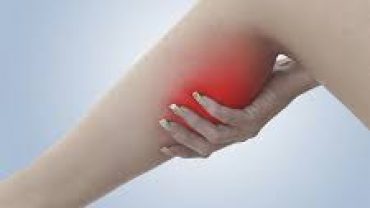
    When your enlarging uterus places pressure on certain nerves (as well as a shortage of calcium), you may experience leg cramps or pains, which are more common in the last half of pregnancy.

    • Elevate your feet whenever possible and avoid crossing your legs.
    • You may try massaging and stretching your calf muscles before bed.
    • Add more calcium and potassium to your diet to prevent leg cramps.
    • When a cramp hits, straighten your leg and gently massage it until the pain lets up.
    • Apply a heating pad or a hot water bottle to the sore area.

    Call your doctor or midwife if it doesn’t get better, because the cramping could be a symptom of something more serious.

    more Pregnancy Discomforts

    Backaches
    Constipation
    Hemorrhoids
    Fatigue
    Headaches
    Heartburn and Indigestion
    Itchy Abdomen
    Dizziness and Fainting
    Swelling
    Varicose Veins
    Breast Discomfort
    Urinary Problems
    Sleep Trouble
    Leg Cramps
    Nausea and Morning Sickness
    Increased Discharge
    Pelvic Pressure
    Hand Numbness
    Braxton Hicks Contractions

  • Pregnancy Contractions

    Contractions are when your uterus starts practicing and preparing for labor (as early as the second trimester), you may experience some discomfort, as your uterus briefly tightens and relaxes. They are typically mild and painless and may quiet down if you change positions.

    Unlike real labor contractions, Braxton-Hicks will subside. You may want to try relaxing, by soaking in a warm bath or by taking a nap. If they start coming at regular intervals, are accompanied by back pain or become painful, contact your doctor or midwife.

    more Discomforts

    Backaches
    Breast Discomfort
    Braxton Hicks Contractions
    Constipation
    Dizziness and Fainting
    Fatigue
    Hand Numbness
    Headaches
    Heartburn and Indigestion
    Hemorrhoids
    Increased Discharge
    Itchy Abdomen
    Leg Cramps
    Nausea and Morning Sickness
    Overheating
    Pelvic Pressure
    Sleep Trouble
    Swelling
    Urinary Problems
    Varicose Veins

  • Constipation in Pregnancy

    When digestive muscles begin to loosen (due to certain hormones) and the last half of pregnancy when your growing uterus puts added pressure on your bowels, you may experience irregularity.

    To overcome constipation, eat foods that are fiber-rich. Fresh fruit and vegetables, whole grain products and prune juice are all good choices.
    Increase your fluid intake and make sure you are getting at least eight 8-ounce glasses of water a day to help soften your stool and keep food moving along in your digestive tract.

    Regular exercise is especially helpful in dealing with constipation. Don’t take enemas, laxatives, or home remedies unless recommended by your doctor or midwife.

    more Discomforts

    Backaches
    Breast Discomfort
    Braxton Hicks Contractions
    Constipation
    Dizziness and Fainting
    Fatigue
    Hand Numbness
    Headaches
    Heartburn and Indigestion
    Hemorrhoids
    Increased Discharge
    Itchy Abdomen
    Leg Cramps
    Nausea and Morning Sickness
    Overheating
    Pelvic Pressure
    Sleep Trouble
    Swelling
    Urinary Problems
    Varicose Veins

  • Pregnancy Complications

    Despite the fact that most women have normal, uncomplicated pregnancies, with only minor discomforts, pregnancy complications are not that uncommon. Hundreds of thousands of women have pregnancy complications every year. Among women who become pregnant in the United States each year, at least 30% have a pregnancy-related complication.

    Every year in the United States, approximately 875,000 women experience one or more pregnancy complication, about 467,200 babies are born prematurely, close to 307,000 babies are born with low birth weight and over 154,000 babies are born with birth defects. It’s predicted that this year, 1,050,000 women will develop hypertension, 420,000-840,000 will experience abnormal bleeding, 380,000 will go into labor too early, 210,000 will come down with viral infections, 139,000-420,000 women will have babies with intrauterine growth retardation, 126,000-504,000 will have gestational diabetes and 42,000 will have too much amniotic fluid.

    The majority of problems are relatively mild, but some carry significant health risk to both you and your growing baby. Complications can range from minor (morning sickness, leg cramps, edema, etc) to more serious complications that may need medical intervention including ectopic pregnancy, miscarriage, incompetent cervix, bleeding in pregnancy, intrauterine growth retardation (IUGR), placenta previa, placental insufficiency, placental abruption, premature rupture of membranes (PROM), low or excessive amniotic fluid, preeclampsia, (pregnancy-induced hypertension) and eclampsia.

    If your doctor or midwife identifies a potential problem, they may refer you to a perinatologist, who is a specialist that handles pregnancies that are at higher-than-normal risk for complications. Under certain circumstances, a neonatologist may be called in to advise about problems that occur (or are expected to occur) shortly after delivery. A neonatologist is a pediatrician who works exclusively with newborns, specifically those born premature, have a serious injury, illness, infection or a birth defect.

    There are several specific tests done during the first trimester of pregnancy, and a few screenings later in pregnancy to help prevent certain complications, or spot them early. Your doctor or midwife can provide you with a schedule for prenatal tests. Every woman can minimize her risk of experiencing complications by maintaining a healthy lifestyle, particularly by eating well and refraining from non-prescription drugs, including alcohol and tobacco, as well as receiving regular prenatal care. It’s important to follow your doctor or midwife’s advice, to lower your risk for complications and to heighten your odds of delivering a healthy baby.

  • Dealing with Postpartum Depression

    Having a baby is supposed to be a thrilling and exciting time, but for many women it can also be a time of fear, stress and even depression. After giving birth, many women (as many as 80% of new mothers) experience a week or two of “baby blues,” marked by mood swings, mild depression, and bouts of unexplained crying, but these feelings typically disappear quickly. Postpartum depression, on the other hand can be described as on-going or worsening intense feelings of sadness, restlessness, irritability or being consistently exhausted and unable to function. Up to 15- 30% of new mothers experience full-blown postpartum depression after delivery, which can last as briefly as 2 weeks, but as long as over a year.

    Common symptoms of postpartum depression include: constant or worsening feelings of worthlessness, helplessness or hopelessness, crying more than usual, lack of interest (or over interest) in baby or caring for baby, being unable to function, extreme exhaustion and sleeping too much (or too little), feelings of being overwhelmed or unable to cope, change in eating habits (not eating or overeating), change in weight, as well as loss of interest or pleasure in activities including sex. Also, being unable to make decisions, trouble focusing, feeling out of control or unusual feelings of rage and feelings of wanting life back the way it was before baby are common symptoms of postpartum depression. Frightening thoughts of suicide or harming baby and fear of being alone with baby that won’t go away are more serious symptoms, which a woman should seek help for immediately.

    << click for the rest of the article on postpartum depression >>

    Depression During Pregnancy
    Postpartum Depression
    Depression After Delivery

  • Pregnancy Symptoms Calendar and Timeline

    Pregnancy Symptoms Calendar and Timeline

    The top pregnancy symptoms are: a missed menstrual period, tender breasts, morning sickness and nausea, fatigue, frequent urination, headaches, spotting, light headedness or faint, swelling and heartburn. Below is a pregnancy calendar the timeline that you are most likely to have them:

    Missed Period

    Months 2 through 9

    Tender Breasts

    Months 2 through 9

    Morning Sickness

    Months 2 through 5

    Fatigue and Exhaustion

    Months 2, 3, 4 and 9

    Headaches

    Months 2 through 5

    Spotting

    Months 1 through 3

    Light Headedness or Faint

    Months 2 through 5

    Swelling

    Months 8 and 9

    Heartburn

    Months 2, 3, 4 and 9

    Varicose Veins

    Months 7, 8 and 9

    Hemmorhoids

    Months 8 and 9

  • Pregnancy Due Date Calculator

    If you’re in need of an ovulation predictor or pregnancy due date calculator, we’ve got you covered. Just enter the date of your last menstrual period to calculate either. A baby can be born within two weeks on either side of the due date to be considered on time.

    Please select the first day of your last menstrual period:

    Usual number of days in your cycle: