Tag: pregnancy

  • After an Ectopic Pregnancy

    There may be a loss of potential for future pregnancies if the fallopian tube was removed. This can be an additional loss. The outlook for future pregnancies after an ectopic or tubal pregnancy mainly depends on the extent of the surgery that was done.

    Although the chances of having a successful pregnancy are lower after an ectopic pregnancy, they are still good, especially if the fallopian tube was spared. Even if one fallopian tube was removed, an egg can be fertilized in the other tube.

    If both tubes were lost, the woman may be somewhat relieved and devastated at the same time, because there may be an end to years of trying to conceive. There may be difficult decisions to face about adoption, in vitro fertilization or no more pregnancies.

    After treatment of an ectopic pregnancy, the woman will most likely need to be seen by her doctor on a regular basis to recheck her HCG level until it reaches zero. An HCG level that remains high could indicate that the ectopic tissue was not entirely removed.

    Experiencing an ectopic pregnancy may be painful both physically and emotionally. Once the crisis is over, some women find themselves relieved to know the cause o their pain. They may also begin to experience a wide range of emotions- relief, sadness, anger, guilt and possibly a sense of failure.

    A woman who has experienced an ectopic pregnancy may feel the need to talk about her experience over and over again. Talking with a supportive person can help her recognize her own feelings about the loss. There will always be reminders to the woman- of her ectopic pregnancy. A scar on her abdomen, dates on the calendar and even certain people she sees can trigger emotions and memories.

    Ectopic pregnancy is complex because the woman is faced with many different loss issues at the same time. It takes time to recover from an ectopic pregnancy and the changes it has made in the woman’s life. Some people need a few days, while others need months or even years.

    There is no right way to react to any kind of loss, including ectopic pregnancy. Some women may be completely devastated by it, while some might feel it is just an experience they have to live through. Some women may mourn deeply for their lost child, while some might feel somewhat relieved that they are no longer pregnant. The full impact of these feelings may not be realized initially. All of these emotions are normal. Feelings are not right or wrong- they just are.

    More on Ectopic Pregnancy

    Symptoms of Ectopic Pregnancy?
    Ectopic Pregnancy Diagnosis
    After an Ectopic Pregnancy
    Treatment of Ectopic Pregnancy

  • Ectopic Pregnancy – Diagnose

    If the doctor suspects an ectopic pregnancy, he or she will probably perform a pelvic exam to locate the pain and tenderness. To test for an ectopic or tubal pregnancy, human chorionic gonadutropin (HCG), is measured by a blood test called a quantitative HCG.

    In a normal pregnancy, the level of this hormone approximately doubles about every two days. In an ectopic pregnancy, the rate of this increase is usually much slower. If the levels don’t increase as they should, an ectopic pregnancy is suspected.

    Sometimes, though, the woman may have a high HCG level with no sign of pregnancy inside the uterus. That is why ultrasound testing is also helpful in diagnosing an ectopic pregnancy.

    Progesterone is another hormone that can be measured to help in the diagnosis of an ectopic pregnancy. Low levels of progesterone may indicate that a pregnancy is abnormal.

    more on Ectopic Pregnancy

    Symptoms of Ectopic Pregnancy?
    Ectopic Pregnancy Diagnosis
    After an Ectopic Pregnancy
    Treatment of Ectopic Pregnancy

  • Eating to Conceive

    When preparing for pregnancy, many doctors recommend a 3 to 4 month preparation period, which includes a healthy diet. While trying to conceive, it’s a good time to begin good eating habits, as well as starting prenatal vitamins, to ensure that your baby will have all the essential nutrients from the moment of conception.

    Avoid junk foods, fatty foods and sugar. These foods make up the small tip of the pyramid and tend to replace more nutritious foods. If you get hungry between meals, try eating fresh fruit, vegetables, low-fat yogurt or a handful of nuts.

    Make sure you eat plenty of fruit and vegetables, since they contain essential sources of many vitamins and minerals, including folic acid, vitamin A and vitamin C. They are also helpful in keeping you regular, because they are a great source of fiber. When trying to conceive, try and eat organic, as much as possible to avoid chemicals and pesticides which can affect your hormones.

    Cut down on caffeine now, because it has been proven to have a harmful effect on reproductive health. It has also been known to delay your chances of conceiving. Coffee, tea, chocolate, cocoa, soft drinks and some over-the-counter drugs contain caffeine. But on the other hand, tea has been known to increase a woman’s chances of conceiving. To reduce the caffeine content in your tea by as much as half, brew the tea bag for just one minute, since the shorter the brewing time- the lower the caffeine concentration. Avoid herbal teas, without first talking with your doctor, because they can be potentially harmful to your unborn baby.

    Extremely poor eating habits before pregnancy can harm both you and your baby, as well as your fertility. The Food Guide Pyramid is a good model for healthy eating. The steps of the pyramid show you how to make the best food choices. Eat at least the minimum recommended servings from each level of the pyramid for optimum health.

    If your planning to get pregnant, it’s best to refrain from drinking alcohol. Even moderate alcohol consumption can reduce your chances of conception. And once pregnant, drinking alcohol can have very harmful effects on your unborn baby.

    It is a good idea to start taking a prenatal vitamin (that contains folic acid) about 3 months before conceiving, if possible. Folic acid helps prevent neural tube defects such as spina bifida and anencephaly. But keep in mind that even if you are taking a daily prenatal vitamin, eating a balanced diet is still the best nutrition.

  • Early Pregnancy Symptoms

    Did you know that some women experience pregnancy symptoms as early as one week after conception? This is true however uncommon. Below you will find a list of the earliest pregnancy symptoms:
    First Trimester Symptoms

    • Implantation bleeding or spotting (usually before your period is due)
    • A missed period, a shorter, lighter period
    • Breast tenderness or swelling
    • Tingling, sore nipples, darkening of areola (skin around nipples)
    • Skin changes, breakouts
    • Nausea, vomiting
    • Constipation, flatulence (gas)
    • Frequent urination
    • Fatigue, sleepiness
    • Food cravings, food aversions, appetite loss
    • Moodiness, irritability
    • Backaches
    • Headaches
    • Increased sense of smell
    • Mild lower abdominal cramps, bloating
    • Continuous elevated basal body temperature
    • Dizziness, fainting
    • Sensitive, bleeding, or swollen gums, excessive salivation
    • Heartburn, indigestion
    • Cervical, vaginal changes (tissue color), sensitivity of the cervix

    Read more on Second Trimester Symptoms

  • What is a Doula?

    To be sure you get the kind of help you need in labor, you might want to consider having a doula. The ancient Greek word “doula” means “woman servant”. Nowadays, it refers a woman who is professionally trained as childbirth assistant, who provides emotional, physical, informational support, as well as non-clinical advice during pregnancy, labor and soon after birth. It helps to have reassurance from experts who can help you relate the intense physical sensations and emotions to what you already know intellectually.

    Nurses, doctors and midwives can offer some guidance, but they may be limited by their clinical duties and the needs of other laboring women in their care. Doulas don’t work as midwives and they aren’t nurse practitioners.

    Doulas serve as labor coaches and advocates for you, the laboring woman, as well as your partner.

    Doulas often meet with you before labor to learn your preferences regarding the use of pain medication and also to talk about any concerns or fears you may have. She can help you overcome your fears related to labor, birth and motherhood in general. During labor, she can help you accomplish your wishes and make adjustments if unexpected complications arise.

    Doulas provide constant, uninterrupted support throughout labor and delivery, with no breaks (that is, unless you are sleeping), no shift changes, no clinical responsibilities or other women to care for. Her knowledge and experience reassure you as she guides you in breathing techniques, massage, suggestions for position changes and relaxation techniques. She uses a wide range of comfort measures and coping techniques such as the use of bath, shower, birth ball, hot and cold packs and even aromatherapy.

    The continuous assistance of a doula throughout labor has been shown to improve both the physical and the physiological well-being of the mother. By reducing stress, doulas reduce a woman’s need for pain relief medications. Women supported by a doula during labor have been shown to have close to a 60% reduction in epidural requests. In hospitals with high cesarean rates (above 25%), a doula’s presence lowers the chances of a cesarean by 50%. The rates of other interventions, such as the use of forceps is reduced 40%, as Pitocin (or oxytocin) use is reduced by about 40% also. Women who have a doula present during labor and delivery have been shown to have shorter labors. Labors can be possibly reduced by about 25% (or close to 3 hours). In addition, women’s satisfaction with their birth experience, postpartum physiological state, success in breastfeeding and interactions with their newborn are improved.

  • Increased Vaginal Discharge

    When blood flow increases to your vagina as your pregnancy progresses, there may be an increase in vaginal discharge, which is called leukorrhea. You may experience more and more white or clear, practically odorless discharge. Douching won’t help minimize normal leukorrhea, but could cause a yeast infection to develop instead. To feel more comfortable, you may want to wear panty liners or sanitary pads (don’t use tampons during pregnancy), in addition to 100% cotton underwear. Be sure to contact your doctor or midwife if you have itching, burning or a bad odor develops.

    more Pregnancy Discomforts

    Backaches
    Constipation
    Hemorrhoids
    Fatigue
    Headaches
    Heartburn and Indigestion
    Itchy Abdomen
    Dizziness and Fainting
    Swelling
    Varicose Veins
    Breast Discomfort
    Urinary Problems
    Sleep Trouble
    Leg Cramps
    Nausea and Morning Sickness
    Increased Discharge
    Pelvic Pressure
    Hand Numbness
    Braxton Hicks Contractions

  • Pregnancy and Depression

    Pregnancy is supposed to be a joyful time, one of the happiest in a woman’s life, but for many women it’s a time of sadness and even bouts of depression. Depression can be described as an on-going and impairing feeling of sadness, hopelessness, unhappiness or being consistently down-in-the-dumps. Many people get the blues at one point in their lives or another, but clinical depression is considered a mood disorder in which these feelings interfere with day to day life for an extended period of time. Depression is common, with symptoms affecting as many as 70% of pregnant women and about 15% of those will suffer from major depression. Depression is one of the most common complications during pregnancy, even more common than postpartum depression is after delivery.

    Often, depression during pregnancy (or “prenatal depression”) is overlooked, ignored and left untreated, due to the fact that some normal pregnancy changes cause similar symptoms and happen about the same time. This can easily confuse symptoms of depression with typical symptoms of pregnancy.

    Common symptoms include: appetite changes (eating too much or too little), decreased interest, motivation or pleasure in activities that used to be enjoyed, change or disturbance in sleep patterns, excessive fatigue or lack of energy, difficulty focusing or concentrating, extreme restlessness and irritability, persistent feelings of guilt or worthlessness, extended periods of sadness, as well as significant weight gain or weight loss. Also, crying a lot, withdrawal from family and friends, stronger emotional reactions and excessive worries about a woman’s health or the health of her unborn baby can also be symptoms of depression. Recurring thoughts of suicide, death and feelings that life isn’t worth living anymore are more severe symptoms, which a woman shouldn’t hesitate to seek help for immediately. Any of the symptoms mentioned previously that last longer than 2 weeks or more at a time can’t be blamed on normal mood changes caused by pregnancy.

    << rest of the article on depression during pregnancy >>

    << Postpartum Depression >>
    << Depression After Delivery >>

  • Depression During Pregnancy (continued)

    Possible triggers for prenatal depression include: family or personal history of depression, relationship problems or martial conflict, living alone, unplanned pregnancy, financial troubles, a complicated or high-risk pregnancy, being confined to bed rest, fertility treatments, previous pregnancy loss (fear that something may happen to this pregnancy), stressful life events (such as a recent death in the family, divorce, separation or job loss), being young at the time of pregnancy, history of substance abuse, limited support from family and friends as well as past history of being abused either emotionally, sexually or physically. There may be a number of reasons why a woman may get depressed during pregnancy, although at other times, the cause isn’t quite as clear.

    Depression during pregnancy can be dangerous, since when it’s severe, it may result in decreased ability for women to care for themselves or their unborn baby, along with interference with prenatal bonding. Women may not eat properly, get adequate rest or receive prenatal care. Depression can also put women at risk for increased use of substances such as tobacco, alcohol and drugs. Women with severe depression may be at a much higher risk of suicide, if the depression is left untreated. Depression during pregnancy is linked to premature delivery, low birth-weight and possibly even depression and behavioral problems later on in the child.

    In addition, depression during pregnancy is one of the strongest predictors of postpartum depression after delivery. About 50% of women suffering from depression during pregnancy go on to develop postpartum depression. The good news is treatment during pregnancy can reduce that number dramatically.

    Many women suffer needlessly because they don’t seek help. Depression can be treated and managed during pregnancy, but the first step of seeking out help and support, is the most important. Treating depression is just as important as treating any other health concern during pregnancy. Without proper treatment, depression can get worse or be harmful to the baby or mother.

    If you suspect that you are becoming depressed, it’s important to talk to your doctor or midwife about how you are feeling. He or she may want to prescribe anti-depressant medication and/or refer you to a therapist who can provide you with some much-needed support, if your depression is moderate to severe. Besides medication and therapy, alternative approaches include light therapy, support groups as well as self-help approaches that may help you feel better. These include: building a support network that can help with such things as household responsibilities, preparing meals and other daily tasks to help keep you from feeling fatigued, exercising, which can be very beneficial, especially walking and stress management. Make sure to take plenty of breaks, get adequate amounts of sleep and eat a well-balanced diet. Talking things out with your friends, partner and family may also be very helpful.

    << Postpartum Depression >>

  • Leg Cramps in Pregnancy

    Leg Cramps in Pregnancy

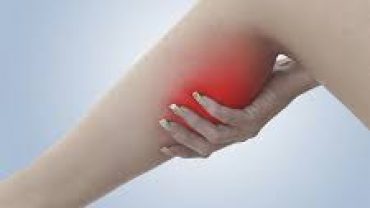
    When your enlarging uterus places pressure on certain nerves (as well as a shortage of calcium), you may experience leg cramps or pains, which are more common in the last half of pregnancy.

    • Elevate your feet whenever possible and avoid crossing your legs.
    • You may try massaging and stretching your calf muscles before bed.
    • Add more calcium and potassium to your diet to prevent leg cramps.
    • When a cramp hits, straighten your leg and gently massage it until the pain lets up.
    • Apply a heating pad or a hot water bottle to the sore area.

    Call your doctor or midwife if it doesn’t get better, because the cramping could be a symptom of something more serious.

    more Pregnancy Discomforts

    Backaches
    Constipation
    Hemorrhoids
    Fatigue
    Headaches
    Heartburn and Indigestion
    Itchy Abdomen
    Dizziness and Fainting
    Swelling
    Varicose Veins
    Breast Discomfort
    Urinary Problems
    Sleep Trouble
    Leg Cramps
    Nausea and Morning Sickness
    Increased Discharge
    Pelvic Pressure
    Hand Numbness
    Braxton Hicks Contractions

  • What Is Cord Blood Banking?

    Blood is taken from the umbilical cord at birth, and the blood stem cells are stored in a cord blood bank. The potential for the cells is great since they are primitive blood cells. This means that they have the capability of becoming red blood cells, white blood cells, or platelets, and transplants of these umbilical cord blood cells have been performed in place of bone marrow transplants. There is no danger in this substitution since the stem cells from the umbilical cord blood and those present in bone marrow have very similar properties and therefore produce very similar results.

    How Does It Work?

    Parents must choose a company that offers the service prior to the baby’s birth because the harvesting is done during labor using a kit provided by the chosen company. The umbilical cord is clamped on both sides before it is cut. One of the clamps is released afterwards, and a tube is inserted into the cord to collect the blood. After the blood from the umbilical cord is collected, they use needles to obtain more blood cells from the placenta. The cells needed are separated from the blood and sent to the storage location to be stored cryogenically.

    Why Would Someone Want It?

    Cord blood banking has even been praised as the better alternative to bone marrow transplants. The process of extracting the cells from bone marrow involves anesthesia, and there is a risk of infection. One might see cord blood as the better choice because there is no anesthesia, and there is no risk to the mother or the child. It is also easier to match a host to patient since the stem cells from the cord blood are more primitive than the cells from bone marrow.

    The main advantage of cord blood banking is that the cells can be stored until they are needed rather than spending weeks finding the right donor. Of course it does have one big disadvantage: the cost. There is the initial cost of harvesting, the storage fee(yearly), and various other fees are often added. The cost would be worth it if your child is diagnosed with a serious disease and is in need of blood stem cells as quick as possible. Radiation and chemotherapy are used to treat certain serious diseases, but the problem is that these treatments kill many cells in the body that are not bad along with the ones that are targeted. Those stem cells harvested at birth can be transplanted, and the transplanted stem cells can develop into the cells lost in the treatment of the disease.

  • Pregnancy Contractions

    Contractions are when your uterus starts practicing and preparing for labor (as early as the second trimester), you may experience some discomfort, as your uterus briefly tightens and relaxes. They are typically mild and painless and may quiet down if you change positions.

    Unlike real labor contractions, Braxton-Hicks will subside. You may want to try relaxing, by soaking in a warm bath or by taking a nap. If they start coming at regular intervals, are accompanied by back pain or become painful, contact your doctor or midwife.

    more Discomforts

    Backaches
    Breast Discomfort
    Braxton Hicks Contractions
    Constipation
    Dizziness and Fainting
    Fatigue
    Hand Numbness
    Headaches
    Heartburn and Indigestion
    Hemorrhoids
    Increased Discharge
    Itchy Abdomen
    Leg Cramps
    Nausea and Morning Sickness
    Overheating
    Pelvic Pressure
    Sleep Trouble
    Swelling
    Urinary Problems
    Varicose Veins

  • Constipation in Pregnancy

    When digestive muscles begin to loosen (due to certain hormones) and the last half of pregnancy when your growing uterus puts added pressure on your bowels, you may experience irregularity.

    To overcome constipation, eat foods that are fiber-rich. Fresh fruit and vegetables, whole grain products and prune juice are all good choices.
    Increase your fluid intake and make sure you are getting at least eight 8-ounce glasses of water a day to help soften your stool and keep food moving along in your digestive tract.

    Regular exercise is especially helpful in dealing with constipation. Don’t take enemas, laxatives, or home remedies unless recommended by your doctor or midwife.

    more Discomforts

    Backaches
    Breast Discomfort
    Braxton Hicks Contractions
    Constipation
    Dizziness and Fainting
    Fatigue
    Hand Numbness
    Headaches
    Heartburn and Indigestion
    Hemorrhoids
    Increased Discharge
    Itchy Abdomen
    Leg Cramps
    Nausea and Morning Sickness
    Overheating
    Pelvic Pressure
    Sleep Trouble
    Swelling
    Urinary Problems
    Varicose Veins