Tag: pregnancy

  • Stages of Labor

    Every woman’s labor is different, following it’s own pattern (even from pregnancy to pregnancy) and there are some things that can’t be anticipated. Although every labor and birth is unique and your labor will unfold in a very special way, the process is remarkably and beautifully constant. You can expect a sequence of events, when everything goes smoothly.

    Labor is typically divided into three distinct stages. The first stage being when your cervix softens, dilates and thins out (effacement), ending in full dilation.

    The first stage can be divided into three “phases”: the early (or latent phase), the active phase and the transition phase. The second stage of labor is when your baby passes through the birth canal and is born. During the third stage, the placenta (afterbirth) is delivered.

    Signs of Labor
    Preterm Labor
    Preterm Complications
    Preterm Labor Causes
    Preterm Prevention and Treatment
    First Stage: Phase I
    First Stage: Phase II
    First Stage: Phase III
    Second Stage
    Third Stage
    Induction of Labor
    Induction of Labor Procedures
    Labor Induction Risks
    Do It Yourself Labor Induction

  • Infertility Causes in Men

    Infertility affects men and women equally. In both men and women, multiple factors can account for difficulty with fertility. Male factors attribute to about 1/3 of infertility problems, while another 1/3 are caused by female factors. The remaining 1/3 of infertile couples have problems caused by a combination of factors in both partners or have unexplained causes. No obvious problem is found in around 10% of couples investigated for infertility. This is when no physical, hormonal or immunological cause for infertility is found in either partner.

    Sperm Abnormalities

    More than 90% of male infertility is caused from sperm abnormalities. Sometimes sperm are malformed and improperly shaped, which makes it difficult for the sperm to reach the egg. Abnormal shape and structure can lead to impaired mobility. If sperm cannot move rapidly and accurately towards the egg, fertilization cannot occur.

    Some men produce too few sperm. A sperm count of 13.5 million per milliliter of semen or less indicates low sperm concentration. Mild to severely impaired sperm production can be caused by undescended testicles, which occurs when one or both testicles fail to descend from the abdomen into the scrotum during fetal development. This affects sperm production, because the testicles are exposed to higher temperatures. Genetic causes, such as a chromosomal abnormalities can affect fertility, as well. Klinefelter’s syndrome, which is a disorder of the sex chromosomes, causes abnormal development of the testicles, resulting in low or absent sperm production. Cystic fibrosis is a genetic factor that can cause men to have missing or obstructed vas deferens.

    There are several reasons and causes for fertility issues in men. A few men produce no sperm at all, though this is rare, affecting less than 5% of infertile men. When no sperm are produced, it is impossible for conception to occur. If this is the case, reproductive organ damage may be to blame. A varicose vein in the scrotum (varicose) could be the cause of infertility, if sperm are being produced but die. Varicose veins can prevent normal cooling of the testicles and prevent sperm from surviving, due to raised testicular temperature.

    Problems with the delivery of sperm from the penis into the vagina can keep sperm from getting to the egg, including Retrograde ejaculation. This occurs when semen enters the bladder rather than emerging out through the penis. Also, some men are born with blockage of the ejaculatory ducts (the part of the testicle that contain sperm). Infections may temporarily affect fertility, including sexually transmitted diseases (STDs). These infections can cause scarring and block sperm passage. If mumps (a viral infection) occurs after puberty, inflammation of the testicles can impair sperm production.

    A man’s general health and lifestyle may affect fertility. Alcohol, smoking, drugs, emotional stress, vitamin deficiencies, age, heat (hot tubs included) and obesity can all temporarily reduce sperm count and quality. Overexposure to certain environmental elements, including pesticides, lead and toxins reduce sperm count by affecting testicular function or by altering the male hormonal system. Medical conditions such as a severe injury, surgery and certain diseases (including diabetes) can be contributing factors to male infertility.

    Infertility and Women
    Treatment of Infertility

  • Pregnancy Illness

    It is bad enough being sick when you’re not pregnant, but when illnesses such as colds, the flu, virus’ and sometimes food poisoning occur during pregnancy, they can make you feel absolutely miserable. It’s rare for a woman to go through 9 months of pregnancy without coming down with some type of illness at least once.

    Boost Your Immune System

    Your immune system is affected during pregnancy, which can make you more vulnerable to infections, such as coughs, colds and the flu, as well as make your symptoms persist longer than usual. You can boost your immune system by eating a healthy well-balanced diet including plenty of fresh fruit and vegetables, which contain certain antioxidant vitamins, including vitamin C. These help to fight infections and may help keep you from getting sick in the first place. Also, make sure you are taking your prenatal vitamins daily. Since prevention is so important, staying away from people who are sick may be your best bet for staying well.

    To help alleviate some of the discomforts that can accompany colds or the flu, drink plenty of fluids to maintain your nutritional intake (most important if you have diarrhea or are vomiting). Water, chicken broth, fresh juice, warm tea, jello, and even popsicles are all good options. Freshly squeezed juice is better than juice from concentrate, since it contains more vitamins, minerals and enzymes, as well as less sugar. Herbal teas may be helpful, especially ginger, Echinacea and peppermint. It is best to speak with your doctor or midwife before taking any herbs, because some may be harmful during pregnancy. A drink made up of hot water, honey and lemon may soothe a sore throat, as well as gargling with a warm salt water solution.

    If your nasal passages are dry, help moisten them by using a steam vaporizer or a humidifier. You can have one going in your bedroom, close to your face when you sleep at night. During the day, you can make a tent out of a towel draped over your head and stay underneath it for 15 minutes, three or four times a day. If you don’t have a humidifier, you can also use a pan of steaming water. Saline drops or saline nasal sprays (found at most drugstores) can help, if you are bothered by nasal stuffiness. A warm shower may be an even better way to clear mucus out, if you are congested (besides being relaxing!).

    Sleep helps the body to heal itself. Rest as much as possible when you’re coming down with the flu or a cold. If you have trouble with nasal symptoms, sleep in a recliner or elevate your head with lots of pillows, so you are in a semi-upright position. Also, you might try rubbing a mentholated product on your chest, following the directions on the package carefully.

    Dealing with Fevers

    If you have a fever, you should carefully monitor your temperature by taking it twice a day and if it rises to over 100 degrees Fahrenheit, contact your doctor or midwife. You should also call, if you begin to cough up green or yellow mucus, experience a severe sore throat, if your symptoms last for more than a week or if you’re worried about certain symptoms that seem unusual.

    The good news is that while a cold can make you quite miserable, it poses no special risks during pregnancy. The flu, however, can be more serious in pregnant women and may sometimes lead to pneumonia. Since flu shots are safe for both you and baby, it’s wise to get one during flu season if you’re past the first trimester. Sometimes medications are necessary, but you should never take over-the-counter cough or cold remedies without checking with your doctor or midwife beforehand, since some contain substances that may be harmful in pregnancy, including alcohol.
  • Hemorrhoids in Pregnancy

    A common discomfort in pregnancy is hemorrhoids. You may experience hemorrhoids when blood flow increases and your growing uterus puts pressure on your rectum and perineum. Hemorrhoids are basically enlarged (varicose) veins in the rectal area that can become worse late in pregnancy and may even bleed slightly. Sometimes they are caused by straining because of constipation.

    Try to avoid constipation by drinking plenty of water and making sure you have enough fiber in your diet.  This will help you prevent hemorrhoids due to constipation.

    Warm sitz baths may bring some relief, as well as ice packs (or witch hazel pads, cooled in the refrigerator) if they become very uncomfortable.  Hemorrhoids occur the most in the third trimester although they can present themselves at anytime when constipated.  Hemorrhoids can be extremely painful.

    More Pregnancy Discomforts

    Backaches
    Breast Discomfort
    Braxton Hicks Contractions
    Constipation
    Dizziness and Fainting
    Fatigue
    Hand Numbness
    Headaches
    Heartburn and Indigestion
    Hemorrhoids
    Increased Discharge
    Itchy Abdomen
    Leg Cramps
    Nausea and Morning Sickness
    Overheating
    Pelvic Pressure
    Sleep Trouble
    Swelling
    Urinary Problems
    Varicose Veins

  • Heartburn and Indigestion

    When stomach muscles relax due to increased levels of pregnancy hormones, indigestion and heartburn can occur.  Another reason for heartburn is that your uterus puts pressure on your stomach in the last half of pregnancy.  You may experience a burning sensation close to your heart, as stomach acid irritates the lining of your esophagus.

    Remedies for Heartburn

    To help avoid heartburn, avoid spicy, greasy and fried foods and eat smaller meals, chewing your food slowly and thoroughly. Don’t lay down right after eating a meal and it most likely will help to sleep at night with your head slightly elevated by extra pillows. Don’t take any antacids without consulting with your doctor or midwife beforehand.

    More Pregnancy Discomforts

    Backaches
    Breast Discomfort
    Braxton Hicks Contractions
    Constipation
    Dizziness and Fainting
    Fatigue
    Hand Numbness
    Headaches
    Heartburn and Indigestion
    Hemorrhoids
    Increased Discharge
    Itchy Abdomen
    Leg Cramps
    Nausea and Morning Sickness
    Overheating
    Pelvic Pressure
    Sleep Trouble
    Swelling
    Urinary Problems
    Varicose Veins

  • Pregnancy Headaches

    When a combination of common hormonal changes, fatigue and also stress put a strain on your body during pregnancy, you may experience headaches, especially during the first trimester. Relaxation, meditation and yoga may help, if your discomfort is caused by a tension headache. Proper nutrition, along with frequent meals can help you avoid hunger headaches that are triggered by low blood sugar. Stay away from smoky, unventilated rooms and get plenty of fresh air. A walk outside maybe just what you need. Also, keeping up your fluid intake can be very useful in alleviating headache symptoms. Don’t take any pain medications without being directed by your doctor or midwife.

    More Pregnancy Discomforts

    Backaches
    Breast Discomfort
    Braxton Hicks Contractions
    Constipation
    Dizziness and Fainting
    Fatigue
    Hand Numbness
    Headaches
    Heartburn and Indigestion
    Hemorrhoids
    Increased Discharge
    Itchy Abdomen
    Leg Cramps
    Nausea and Morning Sickness
    Overheating
    Pelvic Pressure
    Sleep Trouble
    Swelling
    Urinary Problems
    Varicose Veins

  • Hand Numbness in Pregnancy

    When swelling occurs in the nerves in your wrists, it can lead to a condition called Carpel Tunnel Syndrome, which can cause pain and numbness in your hands. The discomfort can be worse at night, so avoid laying on your hands when you sleep and if you wake up in pain, hang your hand over the side of your bed and shake it. If it becomes severe, you may need to wear a splint on your wrists to ease numbness.

    More Pregnancy Discomforts

    Backaches
    Breast Discomfort
    Braxton Hicks Contractions
    Constipation
    Dizziness and Fainting
    Fatigue
    Hand Numbness
    Headaches
    Heartburn and Indigestion
    Hemorrhoids
    Increased Discharge
    Itchy Abdomen
    Leg Cramps
    Nausea and Morning Sickness
    Overheating
    Pelvic Pressure
    Sleep Trouble
    Swelling
    Urinary Problems
    Varicose Veins

  • The First Stage of Labor – Active Labor

    During the second part of the longest stage of labor, your cervix really opens up, continuing to dilate from about 4 centimeters up to 8 centimeters. Your contractions continue to become more intense, more regular and last longer, as your labor progresses. They get closer together, eventually about 3-5 minutes apart and may last over a minute each, as your baby gets in position for birth. Read more on labor below:

    Active Labor

    Physically, you may be feeling increasing pressure and pain in your back. You may be much less comfortable than the earlier phase, as your labor pains intensify and become more frequent. During this phase, you may feel more fatigue, leg discomfort and increasing mucousy discharge (bloody show), as well as diarrhea. If your water didn’t break earlier, it will now or your doctor or midwife may choose to rupture your membranes sometime during this phase. During active labor, some women request an epidural or other pain medication.

    Emotionally, you may feel increasingly restless and anxious, especially if this phase lasts a long time. Your mood may become more serious and your initial excitement may begin to wane as your pain gets worse. You may find it very difficult to concentrate, while dealing with contractions and your support person can help keep you focused.

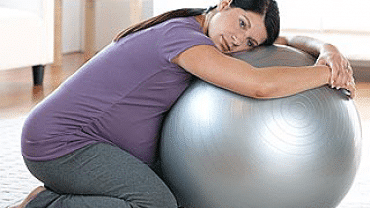
    At this point, you will be headed for the hospital or there already. To reduce your growing discomfort, try breathing exercises and relaxation techniques (the ones that you may have learned in childbirth class), if you feel like doing them. Concentrate on resting and relaxing, because the more relaxed you are, the easier and quicker your labor may be. Soaking in a warm bath or taking a shower, may be helpful at this time. Experiment with different positions to find ones that are more comfortable. Discomfort can often be helped by positions that allow gravity to speed dilation, including walking, squatting or rolling on a birth ball. If you are confined to bed, try lying on your side.

    If your doctor or midwife agrees that it’s alright to do so, drink clear liquids or suck on ice chips to keep from becoming dehydrated and also to keep your mouth from becoming dry. If you become hungry, you can ask if it’s okay to have a light snack, such as Jell-O, although many hospitals won’t allow you to eat anything during labor. In between contractions, get up and walk around, if possible. Take this time to use the bathroom, because urinating regularly will allow your baby’s head to move down more easily into the birth canal. A gentle massage from your partner (or support person) may be welcomed, although some women prefer not to be touched during this phase of labor.

    Back to Labor Stages

  • Fertility Charting Tools

    To chart your fertility, the only tools you need are a ‘calendar’ or fertility chart/graph and a basal body thermometer. Basal thermometers are more accurate than regular thermometers and are ultra-sensitive, tracking your body’s slightest temperature shift. Most digital basal thermometers come with a sample graph that can be enlarged and duplicated on any copy machine, or you can even download a printable chart on-line. Some women prefer to do their charting completely on-line, it’s just a matter of person preference.

    Record your observations and findings on your chart each day. If you tend to have very regular cycles each month, your charts may look strikingly similar. If your monthly cycles are irregular, you may gain a wealth of information by charting for an extended period of time.

    –Tracking your basal body temperature (or BBT)
    –Observing changes in your cervical mucus
    –Monitoring your physical and emotional symptoms
    –Checking the position and shape of your cervix

  • Fatigue in Pregnancy

    Fatigue in Pregnancy

    When your pregnant body is working overtime, growing a human inside it, as well as with all the added hormonal changes that accompany pregnancy, it’s no wonder you may be experiencing less energy than usual. Get extra rest and sneak in naps when possible. You need extra sleep during pregnancy, so try and get to bed an hour or two earlier than you used to. Believe it or not, daily exercise and activity may actually increase your energy level, so go for a walk. Listen to your body signals and don’t overdo it.

    More Pregnancy Discomforts

    Backaches
    Breast Discomfort
    Braxton Hicks Contractions
    Constipation
    Dizziness and Fainting
    Fatigue
    Hand Numbness
    Headaches
    Heartburn and Indigestion
    Hemorrhoids
    Increased Discharge
    Itchy Abdomen
    Leg Cramps
    Nausea and Morning Sickness
    Overheating
    Pelvic Pressure
    Sleep Trouble
    Swelling
    Urinary Problems
    Varicose Veins


  • Dizziness and Fainting

    When your blood sugar level becomes low, because you’ve gone too long without eating or when your blood suddenly shifts, causing your blood pressure to drop rapidly, you may experience some light headedness or dizziness and feel like fainting. Another common cause in the last half of pregnancy can be the extra pressure of your uterus on blood vessels and arteries. Make sure you don’t go for long periods of time without eating. Take snacks (especially those high in protein and iron) with you when you go places. Always remember to change positions and stand up slowly after sitting or lying down to avoid feeling dizzy and don’t stand for extended periods of time.

    More Pregnancy Discomforts

    Backaches
    Breast Discomfort
    Braxton Hicks Contractions
    Constipation
    Dizziness and Fainting
    Fatigue
    Hand Numbness
    Headaches
    Heartburn and Indigestion
    Hemorrhoids
    Increased Discharge
    Itchy Abdomen
    Leg Cramps
    Nausea and Morning Sickness
    Overheating
    Pelvic Pressure
    Sleep Trouble
    Swelling
    Urinary Problems
    Varicose Veins

  • Pregnant Week 7

    Pregnant Week 7

    This week of pregnancy your baby is about 1/3 of an inch in length now (crown-to-rump) and continuing to develop and grow very rapidly. Facial characteristics are now forming, with the beginnings of eyes, ears and nostrils. The upper and lower jaws and mouth are forming and the detail of your baby’s lips, tongue and teeth buds may now be visible.

    The lenses of your tiny baby’s eyes are also developing this week. Your baby’s brain and head are growing, along with the intestines, pituitary gland and pancreas. The leg and arm buds have grown and resemble paddles.

    Your baby’s heart is now made up of four chambers and pumping blood at about 150 beats per minute, which may be detected on ultrasound.

    You are still probably not ‘showing’ yet, although you may have gained or lost (if you’ve been bothered by morning sickness) a few pounds at this point, but you are most likely about the same as pre-pregnancy. Even though changes in you are happening much more gradually than your baby, don’t worry, those changes will come soon.

    Your breasts and nipples may be more tender or sore than you experience just prior to the beginning of your period, caused by hormonal changes that are associated with pregnancy. They also may be slightly larger and a bit swollen at this point, which is completely normal. In addition, you may notice the areola around your nipples getting darker and the glands elevating.

    << more weeks >>