Category: Pregnancy

  • Pregnancy Week 21

    Pregnancy Week 21

    Your baby is about 7 1/2- 8 inches in length (crown-to-rump) in pregnancy week 21 and weighs about 10 ounces. Your baby’s bones are growing harder, stronger and ossifying. Arm and leg movements will increase and become more coordinated now as the muscles strengthen. Your baby should be moving vigorously by now, with lots of amniotic fluid to provide plenty of room.

    Your baby’s sleep and wake cycle may be getting more predictable as the weeks progress. Your baby’s brain is growing at a very fast rate and the immune system is beginning to develop, as white blood cells are created.

    At this point in your pregnancy, you have probably gained between 10-14 pounds so far. Your uterus is growing and taking up more room now, crowding your other organs. You may have trouble breathing from this point until your baby drops, since your uterus is pushing up against your lungs and diaphragm.

    You may experience leg cramps, especially at night. It might help for you to stretch your legs before going to bed. Mild swelling in your legs and feet may also occur now and get worse after standing for long periods and also during warmer weather. Make sure you drink an adequate amount of water and take the time to sit and elevate your feet.

    << more weeks >>

  • 20 Weeks Pregnant

    20 Weeks Pregnant

    If you are at around 20 weeks pregnant, your baby is about 5 – 6 inches in length (crown-to-rump) and weighs close to 10 ounces. At this stage your baby will be sleeping and waking much as a new born would, about 6 hours awake and about 18 hours asleep. Your baby’s nervous system is still developing and his or her movements are still jerky and erratic.

    This is a crucial time for your baby’s sensory development because his or her sense of smell, taste, hearing, sight and touch are now undergoing specialized development in the brain. Your baby’s heartbeat is stronger and easier to detect, beating at a rate of 120- 160 beats per minute. More below:

    You’ve made it halfway through your pregnancy (that is, if you go to full-term). Your abdomen is now quite distended due to your uterus having grown to become about even with your belly button. Your belly button may “pop out” as your uterus expands.

    Your doctor or midwife has probably been measuring the level of your fundus (top of your uterus) with a tape measure. After this week, your belly should grow about 1cm each week. Your abdomen may start to itch a bit as stretching occurs. Try to avoid scratching your belly and apply lotion to help relieve the dryness that may be contributing to the itchiness.

    You can feel your baby kicking more often at 20 weeks pregnant and with greater intensity now. Your partner may be able to feel these movements around this time, although they will be very soft. You will notice more consistent movements after about the 28th week. You may begin to feel your baby get the hiccups around this time or in the near future. They feel like gentle rhythmic movements in your abdomen.

    << more weeks >>

  • Labor and Delivery

    Labor and Delivery

    labor and deliveryDuring labor and delivery, this is the longest stage of labor, your cervix gradually softens, thins and opens. Your cervix opens (dilates) up to about three to four centimeters. Over a period of several hours (or possibly days for first-time moms), you experience mild contractions that slowly get somewhat stronger and closer together. At first, they tend to be fairly irregular, but as time goes on, they become longer and more consistent. They can start out spaced as widely apart as 30 minutes, lasting about 25 seconds. They may become as close as 5 minutes apart, lasting up to 60 seconds.

    The First Stage- Phase One
    Early Labor (or Latent Phase)

    You may experience lower back pain, chills, leg cramps, lower abdominal cramping, nausea, a warm abdominal sensation or diarrhea. You may also experience leaking of fluid at this time (a big gush or a little trickle), although it’s more common for your water to break a little later on, or have to be broken by your doctor or midwife if it doesn’t break on it’s own. This is the bag of amniotic fluid that surrounds your baby.

    Mucous Plus Expulsion

    You may have a thick, bloody, mucous-like discharge, as your cervix begins to open and thin out. This is often called, “bloody show” or “losing your mucus plug”. This barrier blocks the opening to your cervix throughout pregnancy, to prevent bacteria from entering.

    Labor and Emotions

    Emotionally, in labor and delivery, you may be feeling excited, anxious and even scared. You may be more energetic and talkative, as well as relieved that your baby is finally on his or her way; the moment you have been waiting for so long. At this point, you may also be nervous about the upcoming phase of active labor. Physically, you may not be too uncomfortable during this phase, but you may need to keep your mind occupied and distracted.

    Even though you may feel increased energy now, it’s best to take it easy, rest and not overdo it. You can add last minute items to your labor bag or walk around, if you’d like, which may help make labor quicker in the long run (because gravity helps!) At this point, you’ll probably still be at home, unless your water has broke, so you could grab the remote, watch a movie and have a light healthy snack (one that can be easily digested), if you wish. Water, juice or clear liquids are very important to keep you hydrated, so make sure you are drinking plenty. A warm bath or shower may be just what you need to relax and feel more comfortable (as long as your water hasn’t broke).

    Labor and Delivery Relaxation Techniques

    At this stage of labor and delivery, you may be a good time to start using your relaxation techniques, such as slow, deep breathing while listening to relaxing music, especially if you find yourself getting stressed. Your husband (or support person) can give you a gentle massage and also start timing your contractions. Contractions are timed from the beginning of one to the beginning of the next. If it’s in the middle of the night, you may want to try and sleep some more if you can, since you’ll need to be well-rested for the next phase. Don’t forget to give your doctor or midwife a call.

    Stages of Labor
    Signs of Labor
    Preterm Labor
    Preterm Complications
    Preterm Labor Causes
    Preterm Prevention and Treatment
    First Stage: Phase I
    First Stage: Phase II
    First Stage: Phase III
    Second Stage
    Third Stage
    Induction of Labor
    Induction of Labor Procedures
    Labor Induction Risks
    Do It Yourself Labor Induction
  • RH Factor Prenatal Test

    RH Factor Prenatal Test

    rhfactorAmong the routine tests done early in pregnancy- often at the first visit- is to determine whether the Rh factor is present in your blood. The Rh factor is a type of protein sometimes present in your blood and whether or not you have the Rh factor is determined by your genes passed on from your parents.

    A woman who carries this protein is Rh-positive and someone without it is Rh-negative. Your Rh status, whether positive or negative, does not affect your health before pregnancy, but during pregnancy- if you are Rh-negative and your baby is Rh-positive, problems can arise. Your Rh status is determined by testing your blood.

    More Tests

    Amniocentesis
    Chorionic Villus Sampling (CVS)
    Contraction Stress test (CST)
    Glucose Tolerance Testing
    Hemoglobin Test
    MSAFPT Test
    Non-Stress (NST) Test
    Rh Factor
    Triple Screen Test
    Ultrasound

  • Sleep Difficulty

    During the first trimester, many pregnant women have difficulty sleeping due to frequent urination and trips to the bathroom.

    Sleep Issues in Later Pregnancy

    When you get into the second and third trimester and your size is increasing, along with your little one kicking you more and more, you may experience sleep difficulty in finding a comfortable sleep position, as well as falling asleep and staying asleep all night. If you are used to sleeping on your back or stomach, you may find it quite difficult to adjust to sleeping on your side, which is recommended. The left side is best, because it improves circulation. Lying on your side with your knees bent, place a pillow between your knees and one behind your back to get more support. Special “pregnancy” pillows (or body pillows) may be a great investment for better uninterrupted sleep. Try taking a warm, relaxing shower or bath right before bedtime and have a warm caffeine-free drink, but don’t drink more than one, unless you want to get up a dozen times for bathroom trips. Avoid sleep medications, without consulting with your doctor or midwife first, about their safety.

    more Discomforts

    Backaches
    Breast Discomfort
    Braxton Hicks Contractions
    Constipation
    Dizziness and Fainting
    Fatigue
    Hand Numbness
    Headaches
    Heartburn and Indigestion
    Hemorrhoids
    Increased Discharge
    Itchy Abdomen
    Leg Cramps
    Nausea and Morning Sickness
    Overheating
    Pelvic Pressure
    Sleep Trouble
    Swelling
    Urinary Problems
    Varicose Veins

  • Ectopic Pregnancy and Female Sterilization

    A study was done on approximately ten thousand women within ten years after sterilization. Ectopic pregnancy occurred in 7 out of 1,000 of those procedures. Women who have had sterilization and under the age of 30 are twice as likely to have a tubal pregnancy as older women.

    Researchers have determined that ectopic pregnancy can occur many years after sterilization. Women who think they may be pregnant should contact their health care provider immediately as ectopic pregnancy is the leading cause of pregnancy related deaths in the first trimester.

    more on Ectopic Pregnancy

    What is Ectopic Pregnancy?
    What are the Symptoms of Ectopic Pregnancy?
    How is Ectopic Pregnancy Diagnosed?
    Ectopic Pregnancy and the Future

  • Swelling and Fluid Retention

    When body fluids (blood and water) increase, you may experience mild swelling (edema) of your feet, ankles, legs and hands. This is especially common during the third trimester and may get worse during warmer weather and after standing on your feet for a long time. To ease discomfort of swelling, stay off your feet as much as you can, keeping them elevated higher than your heart. Lay on your left side and keep from crossing your legs while sitting, to increase circulation. Your fluid intake needs to be at least eight 8-ounce glasses a day to flush out your system and keep your swelling at bay.

    more Discomforts

    Backaches
    Breast Discomfort
    Braxton Hicks Contractions
    Constipation
    Dizziness and Fainting
    Fatigue
    Hand Numbness
    Headaches
    Heartburn and Indigestion
    Hemorrhoids
    Increased Discharge
    Itchy Abdomen
    Leg Cramps
    Nausea and Morning Sickness
    Overheating
    Pelvic Pressure
    Sleep Trouble
    Swelling
    Urinary Problems
    Varicose Veins

  • Teen Adoption

    Teen Adoption

    teen-pregnancyFor many teens facing an unplanned pregnancy, adoption is a positive option. Adoption can give you the freedom to pursue your goals and know that you have made a caring decision for your child. Choosing life for your baby and giving a wonderful gift to another family is a very courageous and wonderful thing. There are many couples that can’t have their own children and are waiting to adopt a child. Counselors and support groups are available through most adoption agencies to help with the emotions surrounding adoption. If you decide on adoption, you can choose to have it open or closed. An open adoption is when you get to choose the parents who will be raising your baby and a closed adoption is when everything is kept private

    Abortion

    Many pregnant teens decide to have an abortion because they believe it will be a quick resolution to a difficult situation. Often teens who give in to the idea of abortion are pressured into it by their partners. In a survey taken of women who have had abortions, 63% of them felt “forced” by other people into the abortion, and 74% of the women surveyed said they would not have the abortion again. Make up your own mind based on factual information. You have time. Don’t make any quick decisions based on fear, panic or pressure.

    more on teen pregnancy

    Teen Pregnancy
    Teen Statistics

  • Teen Pregnancy and Birth

    (continued)

    One part of prenatal care is attending classes where expectant mothers can learn about having a healthy pregnancy and delivery, breast-feeding and the basics of caring for a new baby. These classes are offered at most hospitals, medical centers, schools, and colleges in your area. Many places offer classes that are designed especially for expectant teen moms.

    Just about everything you eat, drink, inhale or ingest during pregnancy will be passed on to your baby. So you want to make sure you’re only putting healthy foods in your body. And, you want to protect your baby by staying away from dangerous stuff, like cigarettes, alcohol and drugs- which can cause birth defects and even cause you to lose your baby.

    You may be asking yourself, “What about school?” About 40,000 students drop out each year because of pregnancy, but not every teen does and you don’t need to either. Girls who complete high school are more likely to have good jobs and enjoy more success in their lives. If possible, finish high school now rather than trying to return later.

    Ask your school counselor or an adult you trust for information about programs and classes in your community for pregnant teens. If your baby is due during the school year, arrangements can be made for home schooling and tutoring. Some states in the US have programs where teachers can come to your home to teach. Some high schools even have child-care centers on campus, for after your baby is born. Many teens have a family member or friend care for their baby while they’re in school. If none of these options work for you, night school or testing to receive your GED (General Educational Development) may be more feasible.

    more on teen pregnancy:

    Teen Statistics
    Teen Options

  • Statistics on Teen Pregnancy

    Statistics on Teen Pregnancy

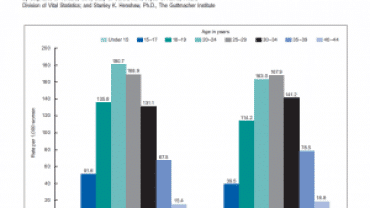
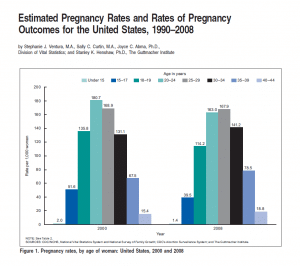
    Teen-Pregnancy-RatesTeen birth rates, teen pregnancy rates and teen abortion rates are down, while fewer teens report that they are sexually active. These lows in the teen birth rates are seen in every age group and among teens of every racial and ethnic group but these declines hold more strongly in some parts of the country than in others. Despite this progress, about 17% of current 15-year-old girls will give birth before their 20th birthday, and 1 in 5 teen births are repeat teen births.

    In 2003, the birth rate for teens between the ages of 15 and 19 was about 41 births for every 1,000 teens, representing a 33% decline from about 62 for every 1,000 teens in 1991. Birth rates also continue to show wide geographic variations. New Hampshire remains the state with the lowest teen birth rate in the US with 20 per 1,000 teens between the ages of 15 and 19. Mississippi remains the state with the highest teen birth rate with 65 births for every 1,000 teens between the ages of 15 and 19.

    The proportions of teen pregnancies that end in abortion have dropped dramatically also. In the mid- 1980s, about 40% of all teen pregnancies ended in abortion, while 29% of teen pregnancies in 2000, ended in abortion. However, there are significant state variations, with abortion rates in 2000 at 11% in Kentucky, while New Jersey’s was the highest at 53%.

    Births to very young mothers are associated with increased health risks to the mother. These mothers had the lowest levels of timely prenatal care, about 47%, in the first trimester, in contrast to the overall rate of about 83%. About 16% of them received late or no prenatal, compared to an overall rate of 3.8%. They were also at a higher risk for pregnancy-associated hypertension, 5.3%, being over 40% higher than that experienced by all mothers, which was 3.7%.

    more on teen pregnancy:

    Teen Pregnancy
    Teen Options

  • Third Stage of Delivery

    Third Stage of Delivery

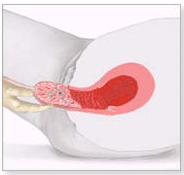
    third-stageAfter your baby is born and the cord has been clamped and cut, you’re still not quite done, although the worse it over with. During the third (and last) stage of labor, your much milder contractions will continue to help your uterus to loosen the placenta from your uterine wall. Your uterus will then expel and deliver the placenta and membranes that have nourished your baby throughout your pregnancy. This is also called the “afterbirth”. This little organ weighs about one pound!

    Delivery of the Placenta

    You may even be asked to push one last time for this to happen and may feel a small gush of blood. Sometimes, your doctor, midwife or nurse may massage your lower abdomen to encourage your uterus to contract more to help expel the placenta. Occasionally, the doctor or midwife may pull the umbilical cord slightly with one hand, while pressing down gently on the top of your uterus.

    Delivery of the placenta happens generally within about 5-30 minutes of your baby’s delivery. After the placenta slips out, your uterus will continue to contract, shrink and become firm, as a natural way to prevent further bleeding. Your doctor or midwife will examine the placenta to make sure it’s intact and any remaining fragments left inside your uterus must be removed to prevent bleeding, infection and possible hemorrhage. Over the next several hours, a nurse will check your uterus to make sure it’s firming up and that you’re not experiencing heavier-than-normal bleeding.

    You may tremble and have chills at this point, or may become hungry or thirsty. You probably will feel a great sense of relief, but will likely be completely exhausted as well. Your doctor or midwife will examine your vagina and perineum, repairing any tears that may have occurred and stitching episiotomy (if you had one). You will receive a local anesthetic (if you are not numb already), to help make the repairs fairly painless. You may be offered cold compresses to apply to ease discomfort and reduce swelling. Your bleeding will be heavy, like a menstrual flow and is often called, “lochia”.

    You may want your baby to be placed on your chest as soon as possible, to begin bonding and spending time together. You may try breastfeeding your new little one at this time, which can also help tighten your uterus and decrease bleeding, because breastfeeding releases oxytocin. Congratulations! Now you’re on to the next stage: the rewarding stage of motherhood!

    More on Labor and Delivery

    Signs of Labor
    Preterm Labor
    Preterm Complications
    Preterm Labor Causes
    Preterm Prevention and Treatment
    First Stage: Phase I
    First Stage: Phase II
    First Stage: Phase III
    Second Stage
    Third Stage
    Induction of Labor
    Induction of Labor Procedures
    Labor Induction Risks
    Do It Yourself Labor Induction
  • Triple Screen Test

    Triple Screen Test

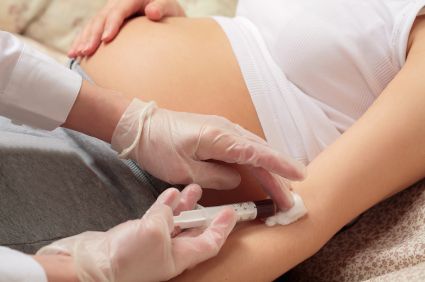
    control blood in a laboratoryThis test is another method of screening maternal blood to detect spinal defects and chromosone abnormalities, especially Down syndrome. This test goes beyond alpha-fetoprotein testing and consists of one blood sample taken between the 15th and 20th week of pregnancy to analyze three substances: MSAFP, Human Chorionic gonadutropin (HCG) and estriol. The levels of these three substances in your blood may indicate the presence of Down syndrome.

    The triple screen test is used to indicate whether your baby is at higher risk for having a neural tube defect, Down syndrome, along with other rare conditions. In other words, an abnormal test result does not necessarily mean your baby will have a birth defect. Although abnormally high levels of AFP are sure to cause concern, the great majority of pregnant women with high AFP levels have nothing wrong. There are many other causes of elevated levels of AFP, including a pregnancy which is not dated correctly (if you are actually farther along than estimated, then AFP levels will be higher than expected), if you are carrying twins, or if the initial interpretation of your test results didn’t consider your weight, race or the presence of diabetes- all of which also affect AFP levels.

    It usually takes less than three days to get the results from the triple screen test, depending on the lab performing the tests. Ask your doctor when you can expect to hear the results.

    More Tests

    Amniocentesis

    Chorionic Villus Sampling (CVS)

    Contraction Stress test (CST)

    Glucose Tolerance Testing

    Hemoglobin Test
    MSAFPT Test

    Non-Stress (NST) Test

    Rh Factor

    Triple Screen Test

    Ultrasound